Biography
Micah
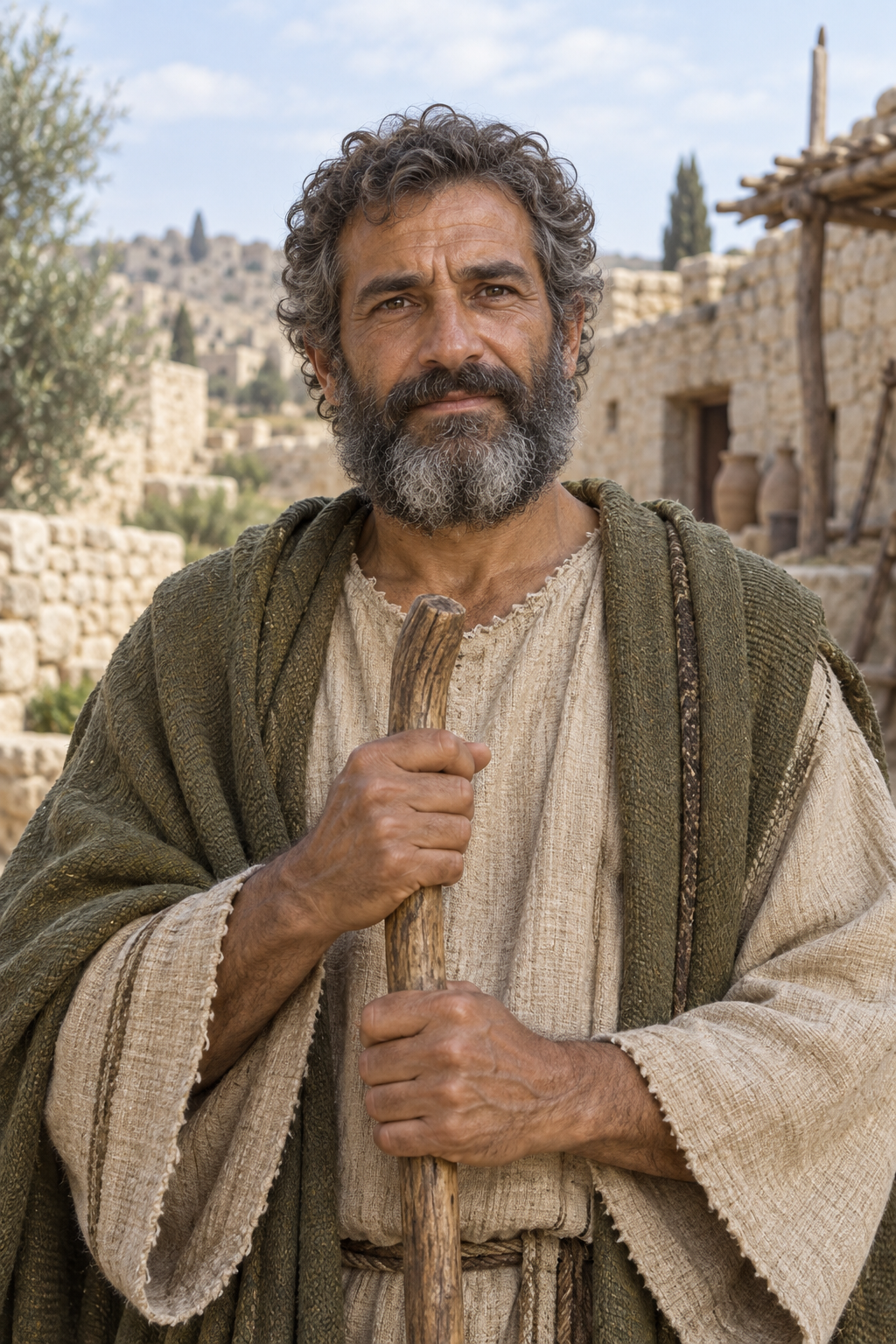
About Micah
Micah came from Moresheth in Judah, southwest of Jerusalem. His ministry belonged to the eighth century BCE, when Assyria threatened the region. The Encyclopedia of the Bible tentatively places much of his recorded preaching around 725–710 BCE. This is an estimate for his activity, not a date of birth or death.
His book presents a prophet in conflict with other religious spokesmen. Yale's study guide stresses that his opponents were not simply unbelievers outside Israel: they included leaders who profited from their position within its religious life. The same guide reads the book as a composite work, expanded by later communities confronting exile and restoration. Its final form therefore should not be treated as a continuous personal memoir, or every passage as the prophet's independently authenticated speech.
The first chapter gives Micah the voice of a mourner, lamenting disaster as it reaches Judah and Jerusalem.
His best-known teaching links religious commitment with the treatment of other people. Scholar Megan Fullerton Strollo reads the demands in chapter six as continuing responsibilities, not a checklist completed by one generous act. Her discussion connects the passage's language of hearing with the expectation of action. She also emphasizes that kindness completes justice, while a reverent walk with God involves responsibility for one's conduct. These are claims about the teaching preserved under Micah's name, rather than evidence for otherwise unknown episodes in his private life.
Terence Fretheim interprets the same passage as a troubled relationship being reopened through dialogue. On this reading, the people's questions are not dismissed simply because they question God. The answer concerns the character of a life already lived within a community of faith, rather than a price paid to obtain God's favour.
Christian remembrance later added a story about the discovery of Micah's relics. The Orthodox Church in America's account places it in the fourth century and associates it with a bishop's revelation. This is a tradition of later devotion, not contemporary evidence of the prophet's death.
Wondering how to weigh the stories and sources? Learn how to read a saint biography.
Prayers for Micah
Micah — troparion petition
save our souls.