Biography
Monica of Hippo
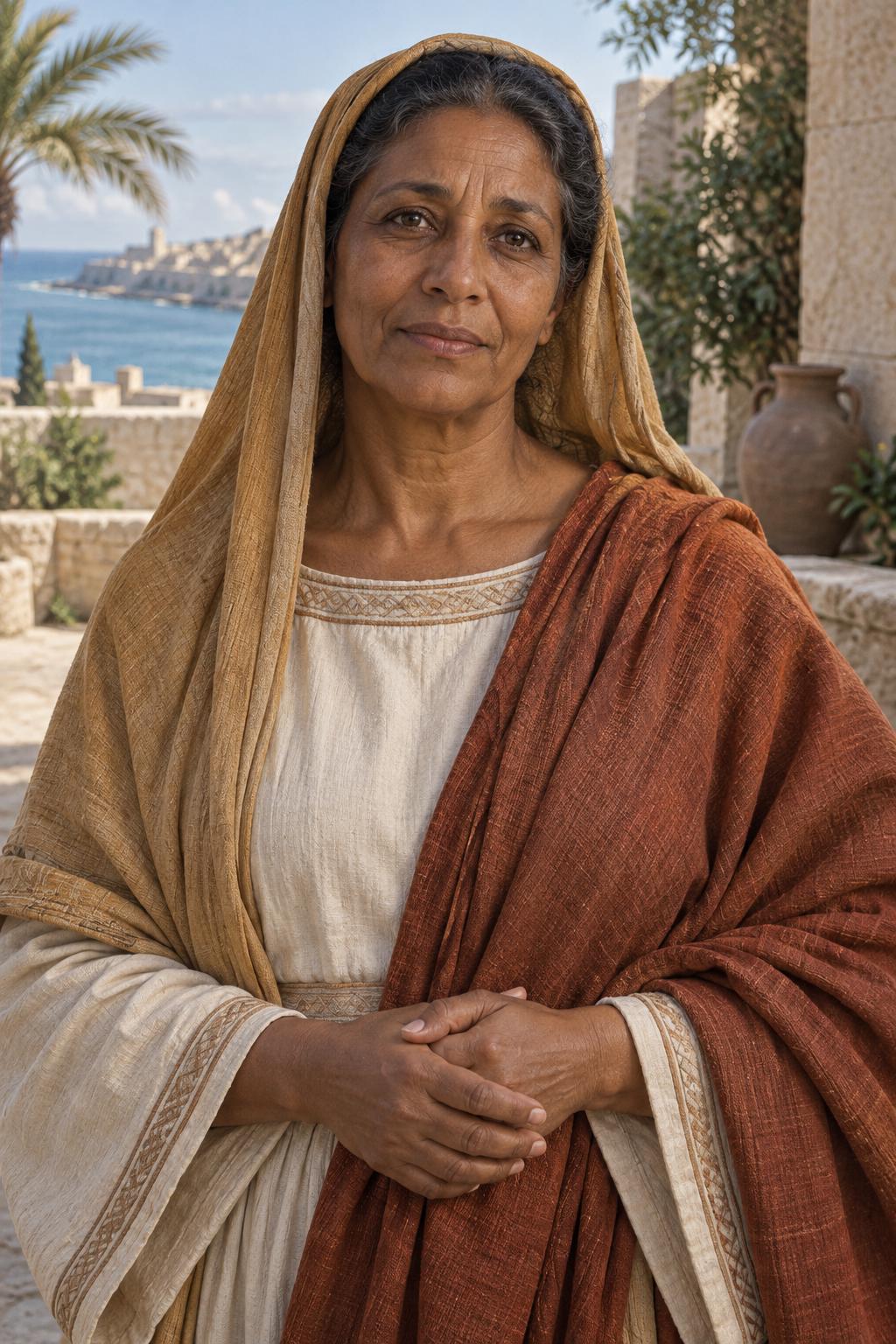
About Monica of Hippo
Monica was a North African Christian whose life is known especially through the account written by her son Augustine. She was born around 331 at Tagaste and died at Ostia in 387. Augustine remembered her not only for her concern about his religious life, but also for her peacemaking, generosity, and care for the people around her.
In the Confessions, Augustine traces her upbringing to a Christian household and describes the influence of an older servant who helped care for the children. He also relates a story Monica told him about secretly drinking wine while fetching it for the household. According to his account, a servant’s sharp rebuke led her to recognize the habit and abandon it.
Monica married Patricius, whom Augustine describes as affectionate in friendship but quick to anger. His account also acknowledges Patricius’s infidelity and Monica’s hope that he would become a Christian. Augustine says that she waited until his anger had subsided before explaining her actions. He reports that Patricius eventually accepted the Christian faith near the end of his life.
The same account praises a more public skill: Monica could listen to people who were angry with one another without making their quarrel worse. Augustine says that she did not carry hostile remarks from one side to the other. Instead, she passed on only what might help them become reconciled. This portrait gives a concrete meaning to his description of her as a peacemaker.
Her relationship with Augustine was not free of conflict. He recalls her distress when he embraced Manichaean teaching and her reluctance, for a time, to share her table with him. He also recounts a dream that she understood as reassurance about his future. The dream belongs to Augustine’s account of her religious hopes, rather than to independently observable evidence about what would happen.
Augustine relates that Monica asked a bishop to speak with him about his beliefs. The bishop declined to attempt an immediate argument and advised her to continue praying. He eventually answered her repeated requests with words reassuring her about the son for whom she wept. The bishop is not named as Ambrose in this passage of the Confessions.
When Augustine decided to leave Carthage for Rome, Monica tried to prevent his departure or accompany him. He admits that he deceived her about his plans and sailed away while she remained near the harbor. The episode is told as an acknowledgment of his own conduct toward her. It does not present their separation as something she freely chose.
Monica later joined Augustine in Milan, where he was listening to Ambrose’s preaching. Augustine remembers her confidence that he would become a Catholic Christian before she died. She attended church and valued Ambrose’s influence on him. According to Augustine, Ambrose in turn praised her religious life and good works when speaking with her son.
Life in Milan also required her to change an established practice. She had brought food and wine to memorial shrines, following a custom she knew in Africa. When told that Ambrose prohibited it, she accepted the restriction. Augustine describes her replacing these offerings with prayer and gifts to people in poverty, an example of her willingness to reconsider a familiar religious habit.
Her concern extended beyond her own family. During the conflict involving Ambrose and the imperial court, Augustine places her among the people keeping watch in the church. He describes her taking a leading part in their prayers and vigils. In his account of their shared life after baptism, she cared for his companions with the attention she gave her own children.
Augustine received baptism from Ambrose in Milan at Easter in 387. His friend Alypius and his son Adeodatus were baptized with him. Monica lived to see the change she had long hoped for. The group then prepared to return to Africa, but the journey paused at Ostia, where mother and son shared a conversation that Augustine later described at length.
Standing beside a window overlooking a garden, they spoke about eternal life. Augustine presents their conversation as a moment of shared spiritual contemplation, moving beyond the things they could see and hear toward God. He remembers Monica saying that her wish to see him a Christian had been fulfilled. The account preserves his understanding of their experience and the meaning he gave it.
Monica soon became ill with a fever. Augustine records her asking that concern about where she would be buried should not trouble her children. What she requested instead was remembrance at the Lord’s altar. He says that she died on the ninth day of her illness, in her fifty-sixth year, and describes his struggle to express the grief that followed.
His remembrance ends with prayer rather than a claim that she had been without fault. Augustine asks mercy for her and invites his readers to remember both Monica and Patricius. Through these pages, her significance is preserved in particular actions: withholding words that would deepen a quarrel, changing a devotional practice, sharing in a church’s vigil, and caring for a household of companions.
Wondering how to weigh the stories and sources? Learn how to read a saint biography.
Prayers for Monica of Hippo
Prayer for Monica and Patricius — Confessions IX.13.37
May she therefore rest in peace with her husband