Biography
Nabraha the Confessor
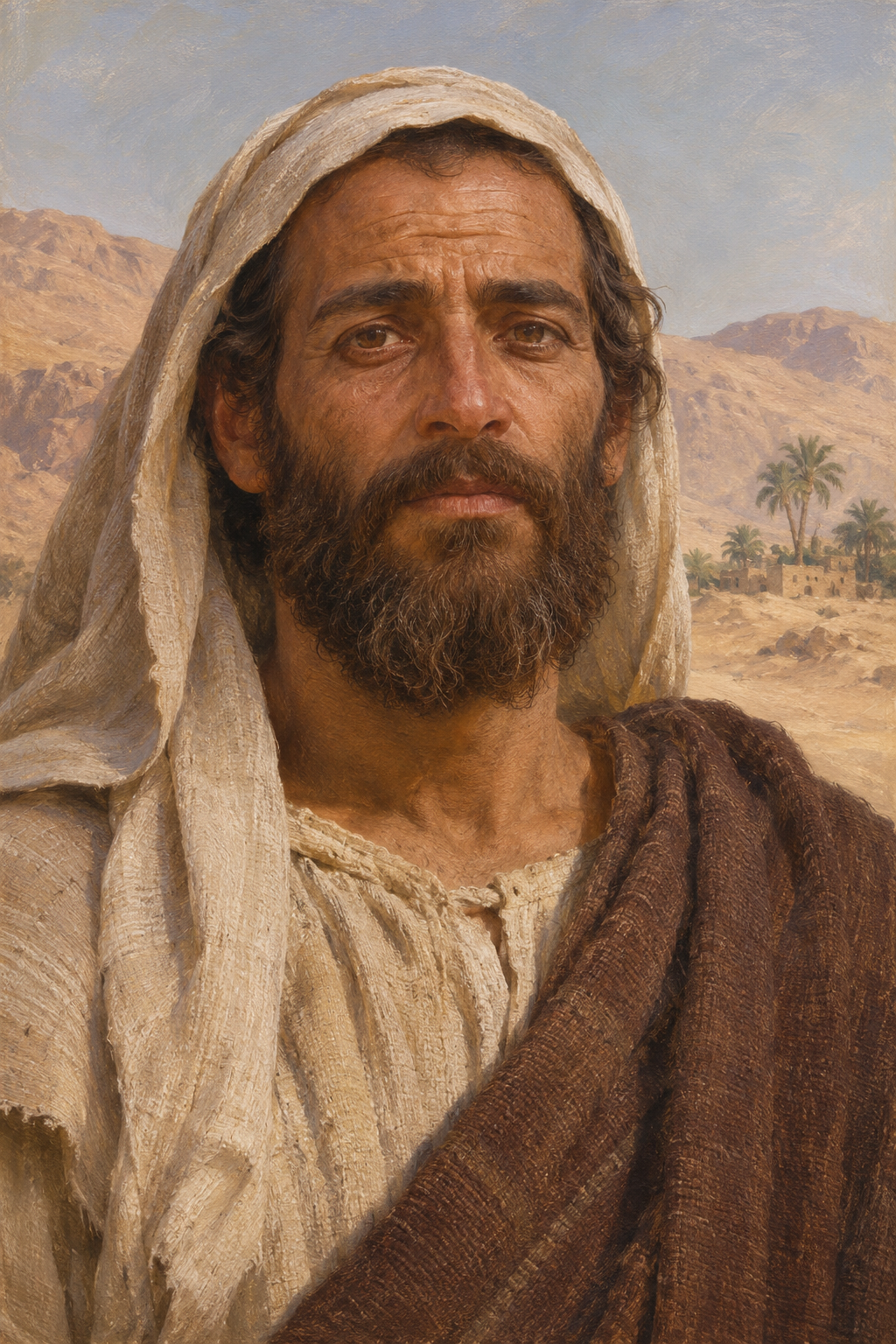
About Nabraha the Confessor
Nabraha is remembered as a fourth-century Egyptian confessor who survived persecution, went into exile, and later lived as an ascetic. Unlike many martyrs, the received story does not end with his execution. His Passion survives in a damaged ninth-century Sahidic codex and is not included in the Copto-Arabic Synaxarion. The Coptic Encyclopedia dates the Passion itself to the later period of Coptic hagiographic writing, probably the eighth century.
The Passion begins with Diocletian’s order to the prefect Arianus to compel Christians to sacrifice. Nabraha comes forward and confesses his faith. The story says the devil tries to discourage him before Arianus questions and tortures him. It includes visions of Raphael and Jesus during the suffering. These appearances and the dialogue belong to the Passion’s religious narrative, not independent trial records.
Arianus travels south and takes Nabraha with him by boat to Antinoopolis. The Passion says Nabraha performs a miracle during the voyage and later heals the prison warden’s son. At a renewed trial, Jesus appears and foretells that a sanctuary will be erected in Nabraha’s name. The Coptic Encyclopedia suggests that this promise may explain why the text was written: it supplies an origin story for a local shrine and cult.
Rather than execute Nabraha, the narrative says Arianus sends him into exile. The text then moves to the deaths of Diocletian and Maximian and the accession of Constantine. Nabraha is released and becomes an ascetic, eventually dying after a life not otherwise detailed. The Passion thus combines a persecution narrative with a survival story and a claim about a future sanctuary. The damaged manuscript and late composition leave the persecution sequence without independent corroboration; the surviving Passion presents it as the Coptic tradition.
Wondering how to weigh the stories and sources? Learn how to read a saint biography.