Biography
Nereus
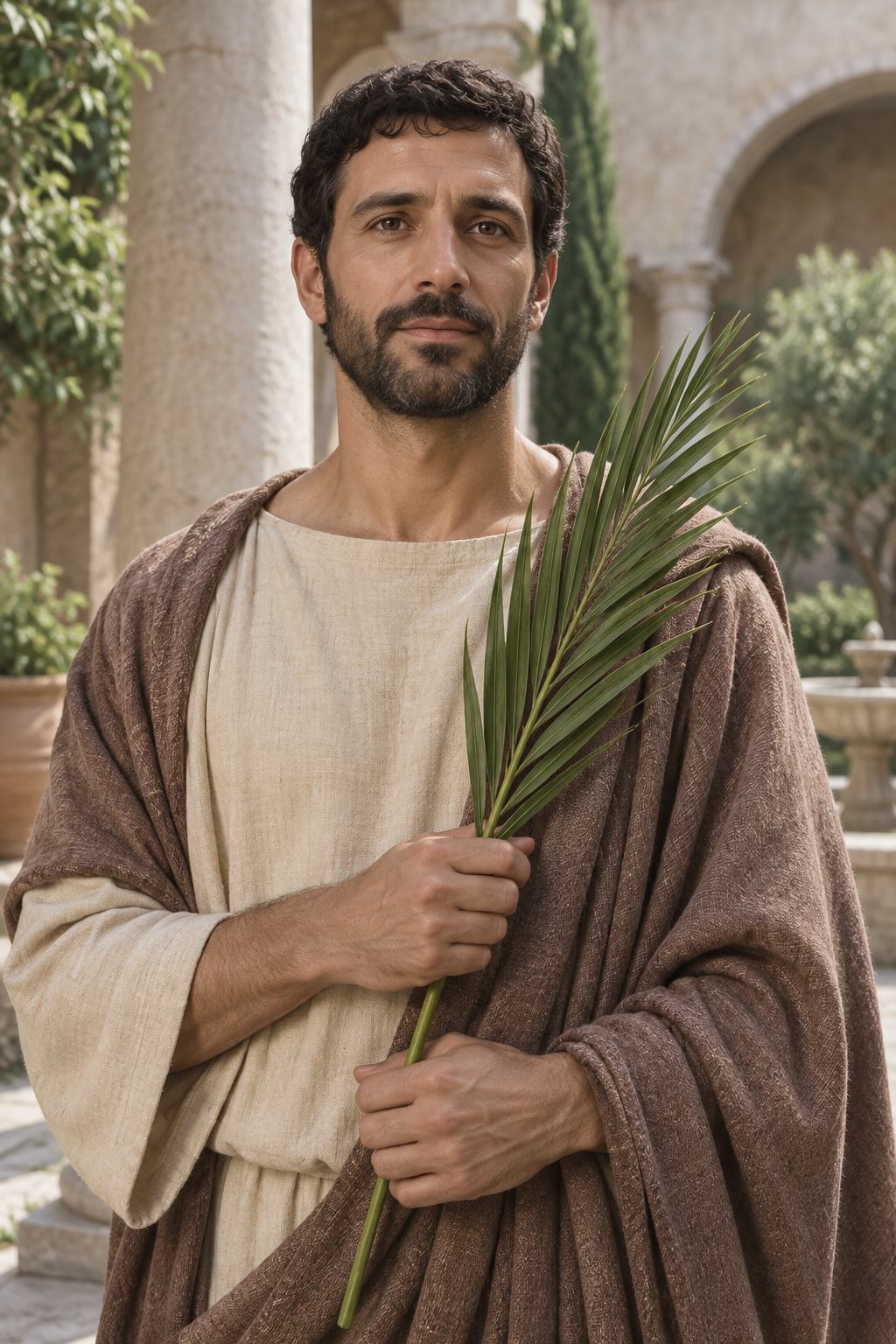
About Nereus
Nereus is known chiefly through evidence that names him together with Achilleus. Pope Damasus, bishop of Rome from 366 to 384, composed an inscription for their shrine in the Catacomb of Domitilla. The poem calls both men martyrs. It says they had enlisted for military service and were carrying out a harsh duty under a ruler's commands. After a sudden conversion, they abandoned the camp, cast away their weapons and decorations, and rejoiced to confess Christ. The inscription is the earliest surviving witness to their cult and its story.Damasus' lines are a commemorative poem, not a full legal or biographical record. They give no names of emperors, dates of arrest or execution, family details, or individual actions separating Nereus from Achilleus. The text places their shrine in the Domitilla catacomb, but does not state that either man belonged to Flavia Domitilla's household. A later Passio supplies a much fuller story and calls them attendants in Domitilla's service; that account differs from the earlier inscription and cannot be treated as contemporary evidence.The Roman Catholic calendar commemorates Nereus and Achilleus together on May 12. An inherited May 7 date appears to have come from a cross-reference: the Roman Martyrology's May 7 entry points readers to Flavia Domitilla, whose commemoration with the two martyrs is placed on May 12. It does not establish May 7 as Nereus' feast. No defensible birth or death date or place is known from the early inscription. The evidence supports remembering Nereus as one of a pair whose late antique Roman cult is directly attested, while leaving the details of their lives open.
Wondering how to weigh the stories and sources? Learn how to read a saint biography.