Biography
Nonna of Nazianzus
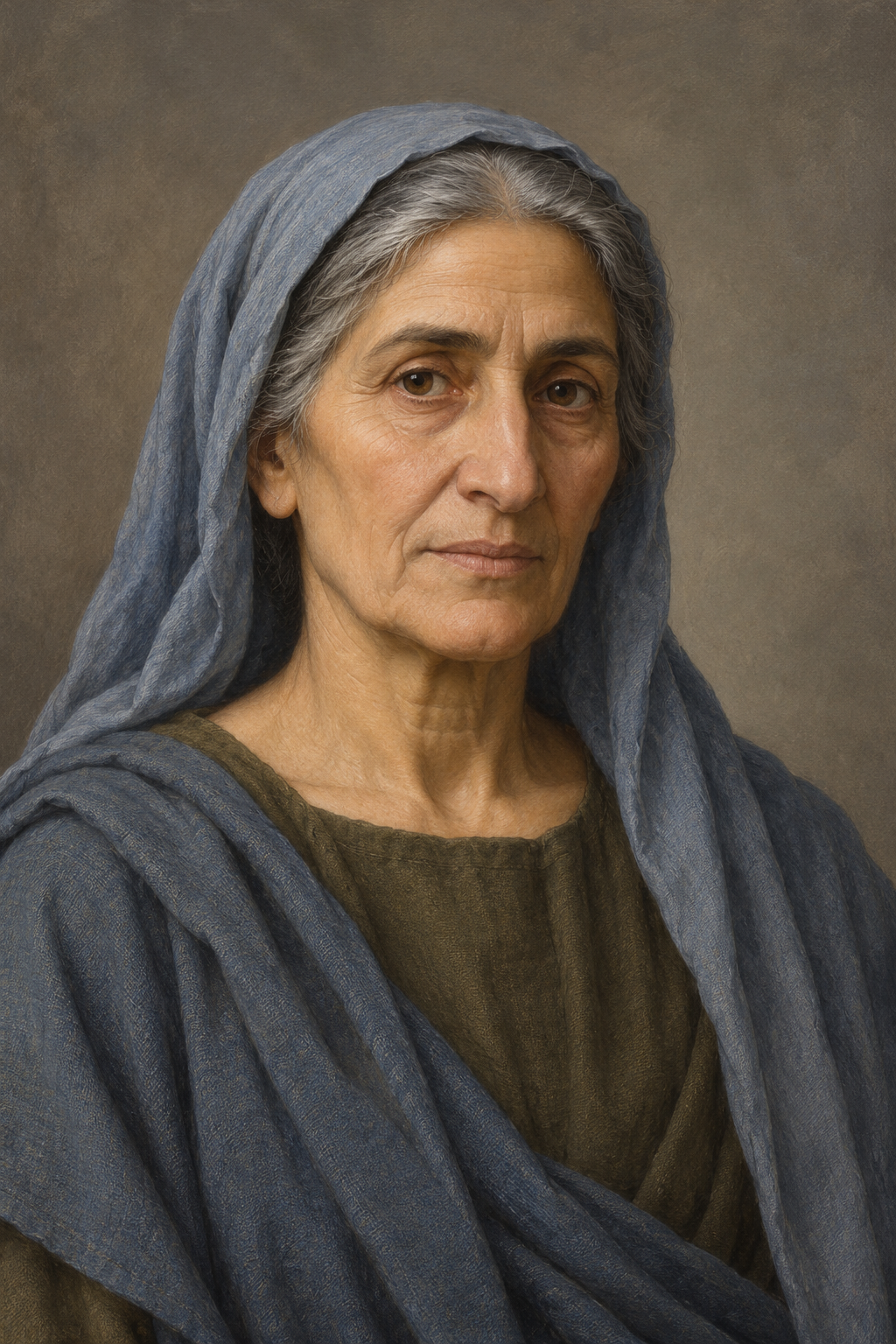
About Nonna of Nazianzus
Nonna of Nazianzus was the mother of Gregory the Theologian, Gorgonia and Caesarius. She came from a Christian family and married the elder Gregory, who initially belonged to the religious group known as the Hypsistarians. Her son credited her example and prayers with helping to bring his father into the Christian church.
Much of the personal portrait of Nonna comes from her son’s funeral address for his father in 374. Nonna was still alive to hear it. Gregory praised her management of the household, her generosity to poor relatives, and her care for widows, orphans and people in mourning. He presented her as his father’s spiritual teacher as well as his wife.
The account is affectionate praise, shaped by its religious purpose. It also preserves a less welcoming side of her strict practice: Gregory says she would not share meals with non-Christians or exchange customary greetings of affection with non-Christian women, even relatives. This belongs to the religious boundaries he admired in her, alongside the charity he describes.
He also tells of an illness during which she believed he had visited in a vision and fed her bread. Gregory associated her recovery with that experience. The episode is his testimony to a religious experience, rather than a medical explanation.
The Orthodox Church in America’s life remembers her later years as marked by bereavement: she outlived both Caesarius and Gorgonia, and then her husband. It describes her as a deaconess engaged in charitable service and places her death while praying in church. These details belong to the church’s received account of her life.
The historical reference entry places her death in 374, while treating August 5 as a probable date. That distinction leaves the year more firmly stated than the exact day. Her Orthodox feast is August 5. She is remembered as a married woman whose religious commitment was expressed within family life and the wider church.
Wondering how to weigh the stories and sources? Learn how to read a saint biography.