Biography
Novatus
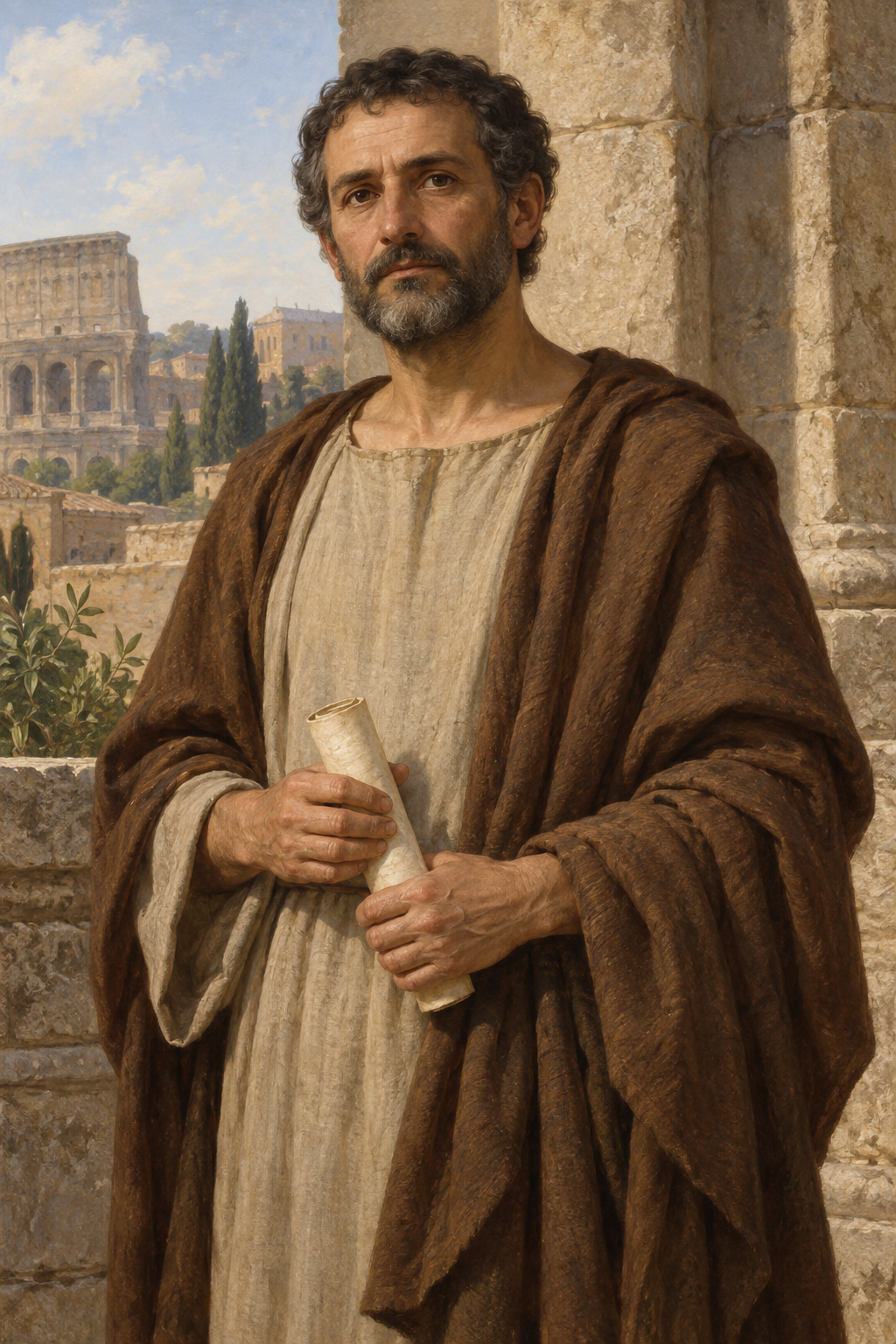
About Novatus
Novatus is remembered in a Roman hagiographic notice and a later ecclesiastical commemoration, but the sources do not provide a securely recoverable life. The Roman Martyrology lists him on June 20 and says that Pastor wrote about him in an account addressed to Timothy. The Bollandist edition of the Acts of Praxedis and Pudentiana likewise identifies this purported letter as the sole notice on which its account of Novatus depends. These are witnesses to a received Roman tradition, not contemporary records independently confirming the narrated events.In the story printed by the Bollandists, Novatus comforts Praxedis and uses his resources to assist poor Christians. During an illness, he leaves his property to the church and Praxedis. These details belong to the hagiographic narrative and cannot be independently verified from the cited evidence. The *Acta Sanctorum* labels Novatus a presbyter in its heading, but the narrative and its transmission do not provide a secure basis for assigning him a historical period or a detailed office. The editor's conjectural chronology is not used here as a life date.Later calendars expanded the narrative into a family genealogy, identifying Novatus as a son of Pudens and brother of Timothy, Pudentiana, and Praxedis. The Bollandist editor observes that the underlying text calls Novatus Timothy's brother and Praxedis's brother in the Lord; it does not establish a blood relationship with the women or descent from Pudens. The editor explains that Christian kinship language can be spiritual rather than biological. Modern scholarship has repeated this caution. Accordingly, this profile does not assert those family relationships.The inherited January 30 citation is a separate false match. In that day's Martyrology account of Hippolytus, Novatus is the name of a doctrine rejected by the saint, not a person commemorated on that date. The Roman Martyrology's Novatus notice belongs instead to June 20. That date records the received commemoration and is not treated as a verified date of death. The surviving evidence supports a short account of the tradition and its limits, but not dates, places, a confidently assigned vocation, or a fuller biography.
Wondering how to weigh the stories and sources? Learn how to read a saint biography.