Biography
Paphnutius of Scetis
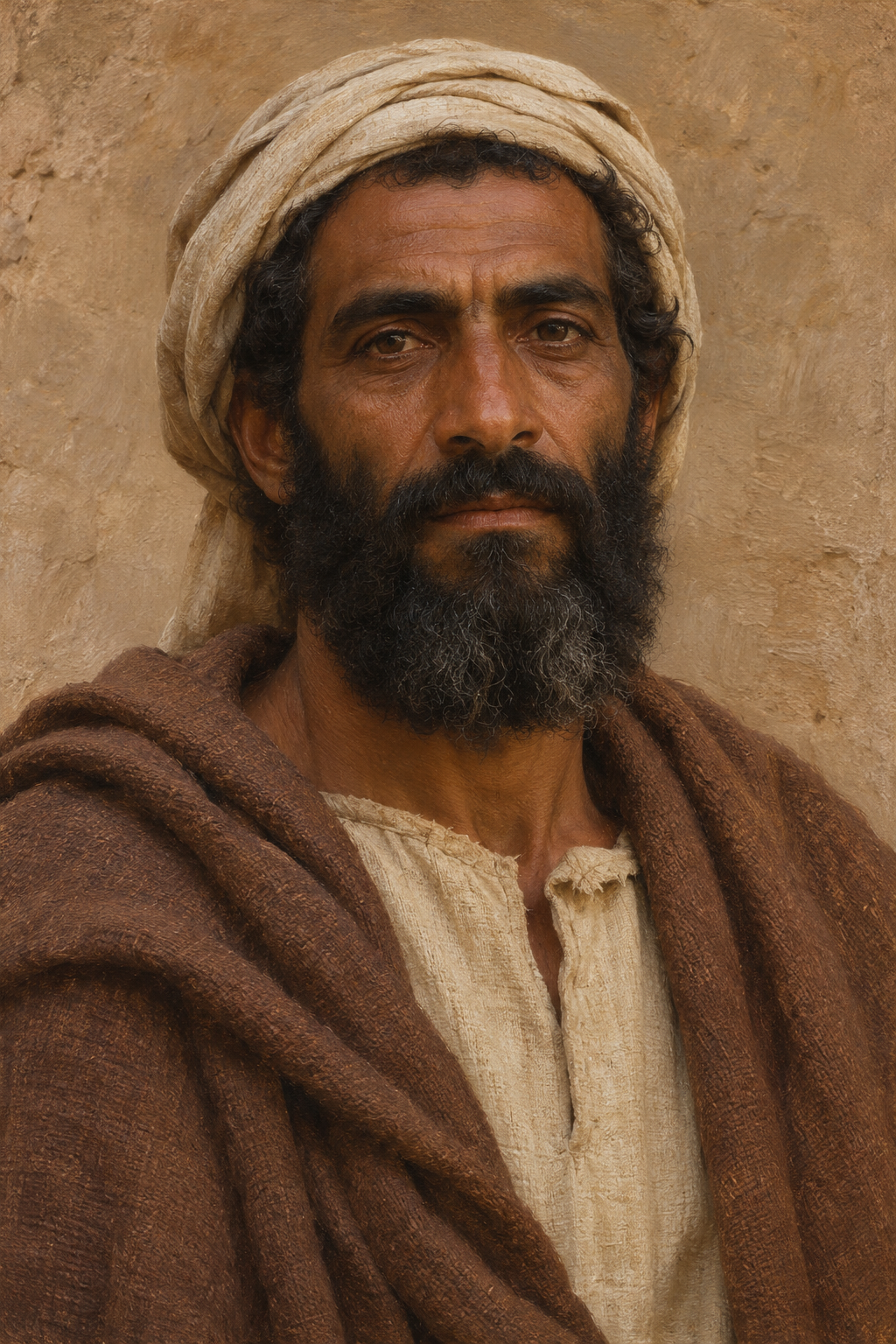
About Paphnutius of Scetis
Paphnutius lived about five miles from the church where the monks of Scetis gathered on Saturdays and Sundays. When the service was over, he shouldered enough water to last him the week and carried it back to his cell. John Cassian, who knew the old priest during his travels in Egypt, says that Paphnutius was still making that journey after he turned ninety. Younger monks offered to fetch the water. He preferred to carry it himself. He was so hard to find during the rest of the week that the brothers nicknamed him after a wild animal of the desert.
Other monks remembered him as a young man under Isidore, the priest whose place he would eventually take. In a story Cassian heard about those years, another monk grew jealous of the esteem in which the elders held Paphnutius. He hid one of his own books in the younger man’s cell, then reported it missing when the brothers were together for worship. The book was found exactly where the accuser had put it. Paphnutius asked how he might do penance. For nearly two weeks he came to the threshold of the church to ask forgiveness for a theft he had never committed.
In Cassian’s telling, the man who had laid the trap was eventually forced to disclose the deception. The story attributes his distress to an evil spirit and his deliverance to the prayers of the very person he had slandered. Cassian tells the episode through the elder Piamun, in a discussion of envy among monks. Its place in that conversation helps explain why it was remembered. Paphnutius had prayed for someone who had injured him while the whole community still had reason to believe the accusation was true.
When Cassian and his companion Germanus visited Paphnutius one evening, the old man surprised them by praising their journey. They had expected correction. Embarrassed by the compliment, they asked him to tell them something that would help them grow in humility. The discussion turned to why anyone became a monk. Some people, Paphnutius said, experience a direct call from God. Others are moved by another person’s example. Still others come to the monastery only when loss or misfortune has left them nowhere else to turn. How a person began was a poor guide to how that life would end.
To make the distinction clear, he told the visitors about Moses of Calamus. Fear of punishment for a killing had driven Moses to a monastery. Once there, he chose to remain and embraced the life freely. The teacher offered his visitors the example of a man who had never intended to become a monk and whose commitment proved stronger than that of others who entered willingly.
He then distinguished three things a monk could give up. The first was property, the most visible change to anyone who knew the newcomer before he entered the community. The second was harder to see. Habits of envy, anger or possessiveness could travel into the desert even with someone who owned nothing. The third involved directing the mind beyond the visible things that filled an ordinary day. In the dialogue, Paphnutius reads the call of Abraham to leave his country and his father’s house as a way of understanding that inward journey.
In 399 Paphnutius had to answer a question that divided his own community. Theophilus, bishop of Alexandria, had sent out the customary letter announcing Lent and Easter. This time it also rejected the idea that God had a human body. Some monks understood the Genesis teaching that human beings were made in God’s image quite literally. They believed that the bishop was contradicting Scripture. According to Cassian, of the priests serving the four churches at Scetis, Paphnutius alone would let the letter be read to his congregation.
One of those troubled by the letter was Sarapion, an elder respected for his long practice of prayer. When persuasion failed, Paphnutius asked a visiting deacon from Cappadocia, Photinus, to explain to the brothers how Christians elsewhere in the East understood the passage. Sarapion accepted the explanation. Yet when they prayed together he broke down. The image through which he had addressed God for years was gone, and he no longer knew whom to call upon. The exchange reveals how much the disagreement cost a particular person whom Paphnutius knew.
Several Egyptian monks bore the name Paphnutius. In particular, the teacher called Kephalas in Palladius’s account cannot simply be assumed to be Cassian’s elderly host. There is no certain year of death for the priest who received the festal letter at Scetis. His best-attested legacy is the teaching Cassian carried away. Readers in distant monasteries met him through those conversations as a man who guarded his solitude, listened to strangers at the door of his cell, and was willing to stand beside an unpopular letter when it came time to read it aloud.
Wondering how to weigh the stories and sources? Learn how to read a saint biography.