Biography
Paulinus of Trier
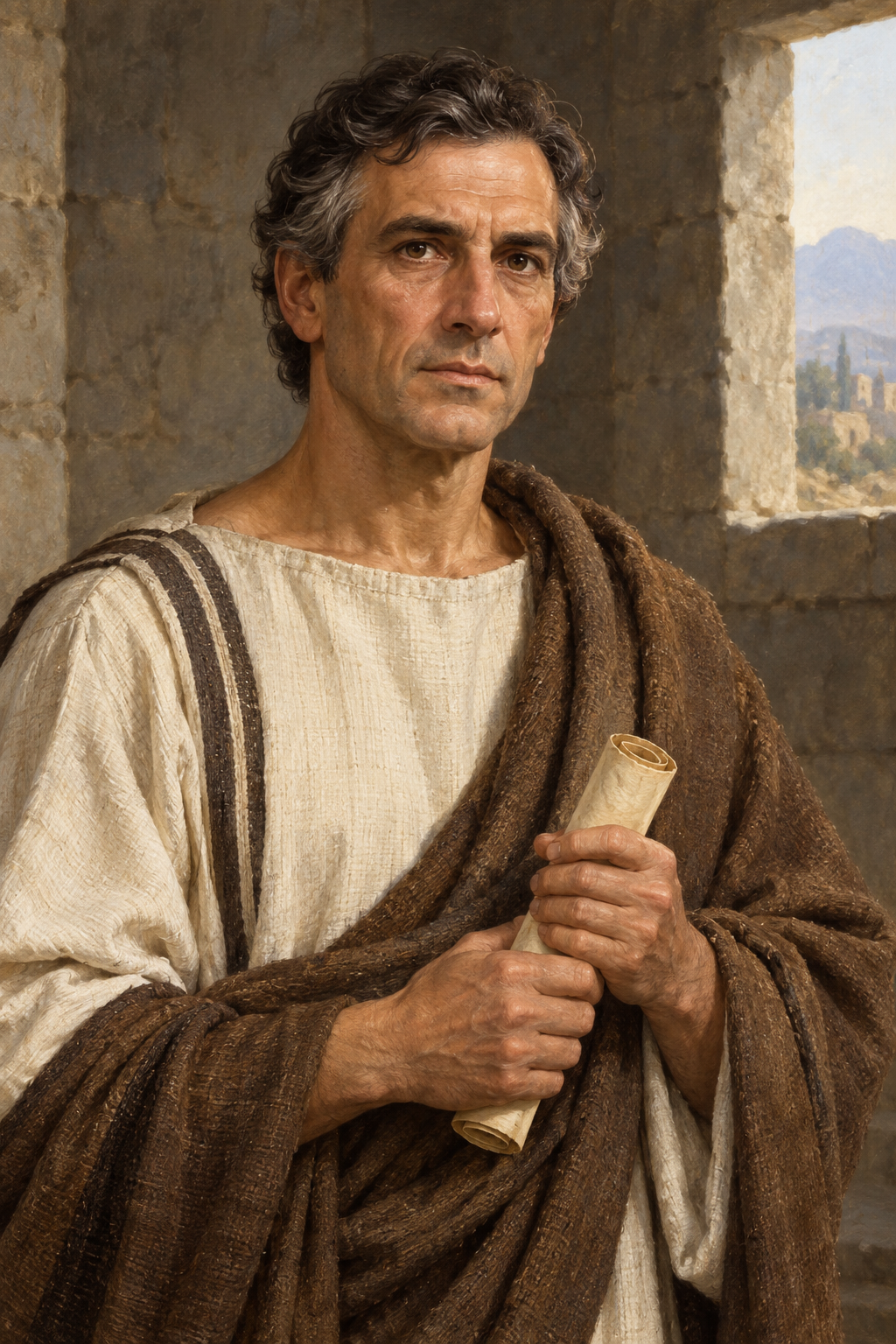
About Paulinus of Trier
Paulinus of Trier was a fourth-century bishop remembered for refusing to condemn Athanasius of Alexandria. He succeeded Maximinus and continued his predecessor’s support for the faith expressed at the Council of Nicaea. His position became dangerous after Constantius II defeated Magnentius and established himself as sole emperor. The new political situation removed imperial support from bishops who defended Athanasius. At Arles in 353, Paulinus resisted the demand for condemnation and was sent into exile.
The dispute involved the Church’s teaching about Christ and also the treatment of particular bishops. In his Sacred History, Sulpicius Severus reports that Paulinus received a letter condemning Athanasius together with Marcellus and Photinus. Paulinus accepted the condemnation of the latter two but withheld agreement concerning Athanasius. His response made a distinction between the cases instead of accepting the combined judgment. Sulpicius presents this as an act of resistance within a divided episcopate, where fear and political pressure affected decisions.
Sulpicius also describes an imperial order threatening banishment for bishops who would not subscribe against Athanasius. Bishops seeking a discussion of the faith before such a condemnation were unsuccessful. Paulinus was among those driven into exile. The account connects his case with the wider conflict that later led to other bishops’ removal, including Eusebius of Vercelli and Lucifer of Cagliari. The chronicle is written from the side that supported Athanasius, and its description of the opposing party is openly hostile.
Athanasius himself named Paulinus among the bishops who suffered for their refusal. In his History of the Arians, he describes imperial officials placing bishops under pressure to sign or leave their churches. He portrays the conflict as a struggle over whether the emperor could determine the Church’s judgment through threats. Paulinus appears in this account alongside other western bishops praised as confessors of the faith. Their suffering was already being interpreted as Christian witness by a contemporary participant in the controversy.
For Sulpicius, removal from office was an instrument of pressure.
Athanasius argues that religious truth should be communicated through persuasion, rather than armed force. He presents the exiled bishops as continuing their ministry while being driven from their communities. This is a polemical account by the man whose condemnation they had refused, not an impartial record of every exchange. It nevertheless gives early testimony to Paulinus’s reputation among his allies and explains why exile became central to his remembrance.
Paulinus died in Phrygia in 358. Later accounts of the return of his remains to Trier disagree. Some place it soon after his death; others associate it with Bishop Felix toward the end of the century. Historian Andrea Binsfeld concludes that the competing narratives do not establish which version is correct. The date and circumstances of that journey therefore remain uncertain, even though the tomb became an enduring focus of local devotion.
His first surviving Life was written in the tenth century, long after the exile. Later revisions expanded the story. The Orthodox Encyclopedia identifies a much later account that borrowed actions from Eusebius of Vercelli and represented Paulinus as a successful missionary who was beheaded. Those details belong to the development of his legend rather than the securely established account of his death.
The surviving coffin provides material evidence alongside those written traditions. Openings of the tomb revealed cedar wood and metal fittings, including Christian symbols and biblical scenes. These discoveries partly corroborated descriptions of the tomb, while leaving the disputed circumstances of the original burial unresolved.
The Diocese of Trier commemorates him on August 31 as bishop and martyr. Its account connects that day with the burial of his remains in Trier. The title martyr in his local remembrance is associated with the suffering he endured after his refusal at Arles. The diocesan history also records the discovery of his coffin in the church crypt in 1072 and dates the coffin to the late fourth century.
St. Paulin in Trier remains a church dedicated to him, with his tomb in its crypt. The present building preserves a much later expression of his cult: Christoph Thomas Scheffler’s eighteenth-century ceiling paintings include scenes from Paulinus’s life. The church was rebuilt after the earlier structure was destroyed in 1674 and became a parish church in 1802. The surviving shrine thus brings together remembrance of a late Roman bishop and the architecture and art of later communities.
A sixth-century letter already named Paulinus among Trier’s patrons. Churches at Beuren, Bischofsdhron, Lauterbach, Wellingen and Lorich also bear his dedication.
His name also entered Catholic public life through the Sanct Paulinus-Blatt, founded by Georg Friedrich Dasbach in 1875. The University of Saarland’s account identifies Paulinus of Trier as the newspaper’s namesake and places its foundation within the Kulturkampf, when church and state were again in conflict. The connection kept the memory of his resistance to imperial pressure before a new readership, many centuries after his exile.
Wondering how to weigh the stories and sources? Learn how to read a saint biography.