Biography
Peleus
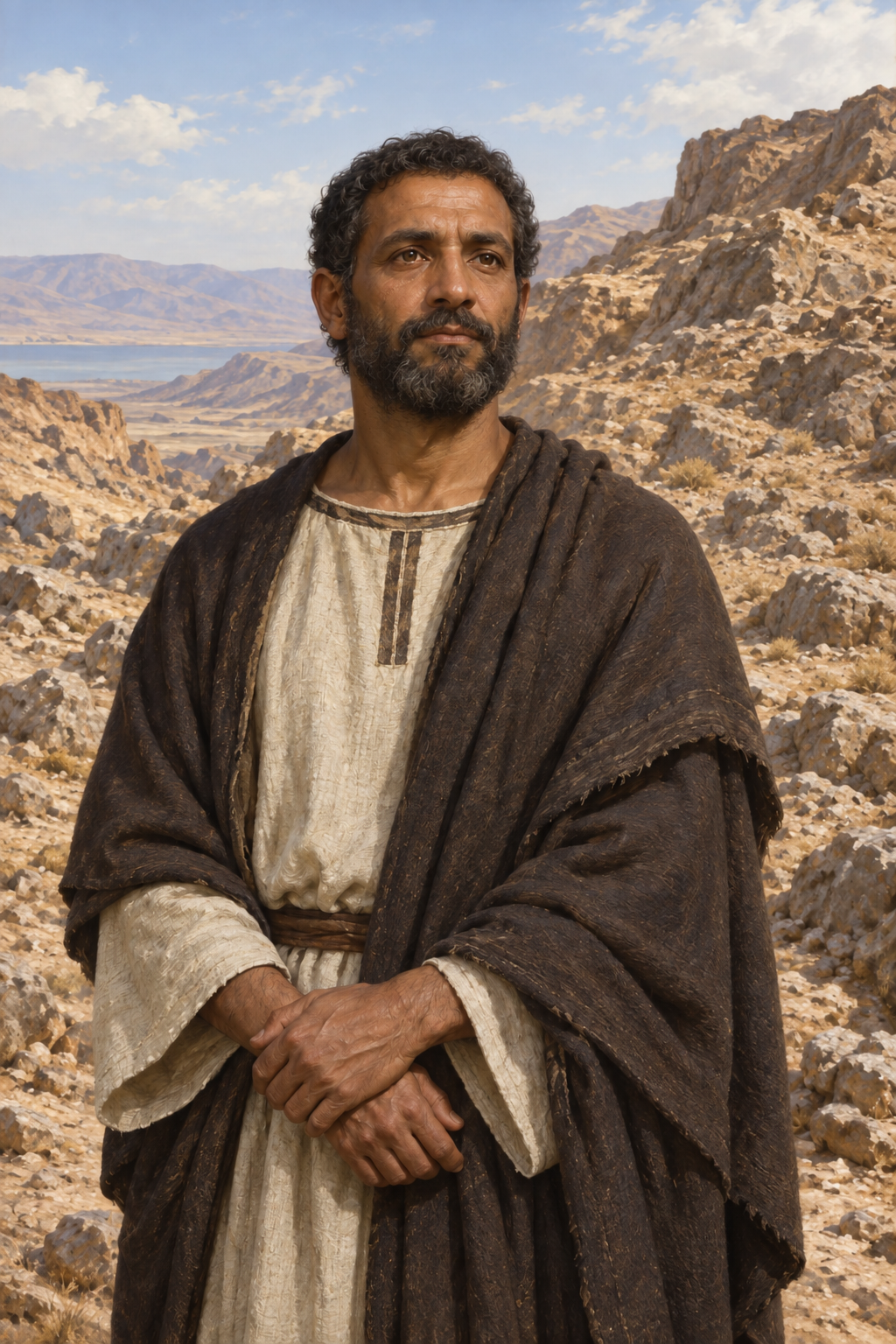
About Peleus
Peleus appears by name in Eusebius of Caesarea's account of the martyrs in Palestine. Eusebius describes Christians gathered at copper mines after being punished for their faith and divided among different places of labor. He names Peleus and Nilus as Egyptian bishops. Their specific sees are not identified, and the account does not tell us where Peleus was born or how he became a bishop. What it does preserve is his place among a community of prisoners who continued to worship. This is a more substantial early witness than a later calendar listing, though it remains a narrative written from the Christian side of the persecution and should be read with that context in mind.In Eusebius's shorter account, the provincial authorities learned that the prisoners were maintaining their religious life, divided them among mines and other labor sites, and sent four leaders to a military commander. Peleus and Nilus were two of those four. The commander demanded that they deny their religion; when they refused, he condemned them to death by fire. Eusebius does not record a speech by Peleus, a sequence of individual torments, or a private conversation. His emphasis falls on the group and its refusal to abandon Christian worship. The narrative provides strong evidence for a bishop named Peleus and for his martyrdom, but little material for a detailed individual life.A longer recension transmitted in Syriac gives more of the group's setting at Phaeno and describes worship, teaching, and support among the mine prisoners. In William Cureton's English translation, the bishop's name appears as Paulus; the translation's heading and note explain that the corresponding Greek text reads Peleus. This variant is a textual matter, not evidence for a second bishop who should receive a separate catalog record. The two recensions also differ over the other leaders' clerical status. These differences advise care in repeating numbers and titles. Neither version supplies Peleus's birth year or the name of an Egyptian diocese, so those fields remain empty.Later church calendars remember him on different days. An older Roman martyrology includes Peleus on February 20 with Tyrannio, Silvanus, Nilus, and Zenobius in a broad Tyre notice. A Catholic directory cautions that these figures have different martyrdom narratives and that the grouping should not make Tyre the established death site of each one. The Orthodox Church in America commemorates Peleus and Nilus among Palestinian martyrs on September 17. Both days are church observances rather than competing exact dates of death established for Peleus. The life that can responsibly be told is focused: an Egyptian bishop was sent into the Palestinian mine persecutions, remained with other Christians, and died after refusing to renounce his faith.
Wondering how to weigh the stories and sources? Learn how to read a saint biography.