Biography
Pius I
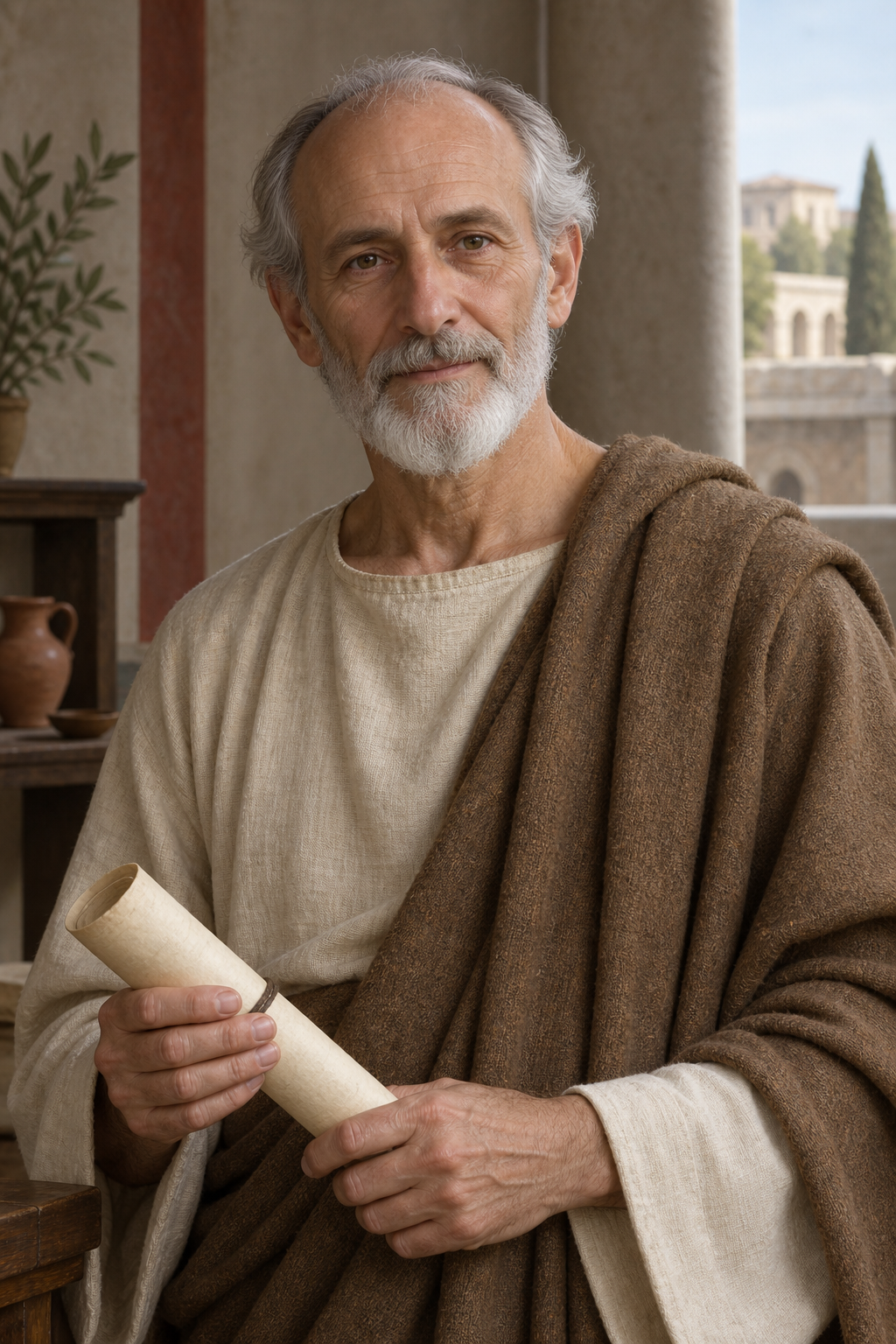
About Pius I
Pius I led the church at Rome in the middle of the second century. Irenaeus places him after Hyginus and before Anicetus in the succession of Roman bishops, presenting this chain of leaders as a means by which the church preserved its inherited apostolic teaching.
His origins are less certain: Aquileia is a possible birthplace, and his death is commonly placed around 155. He is venerated as a martyr, although the circumstances of his death are unknown.
The Holy See's alternative chronology starts his episcopate in 142 or 146 and ends it in 157 or 161.
The Muratorian Fragment connects Pius with Hermas, the author of The Shepherd. It calls Hermas his brother and says the book was written at Rome during Pius's episcopate. The fragment recommends reading it privately but excludes it from public reading alongside the prophets and apostles because of its later composition.
Irenaeus also places the teacher Valentinus's activity in Rome during Pius's leadership. This situates Pius within a church where rival accounts of Christian teaching were being debated.
In a letter preserved by Eusebius, Irenaeus remembers Pius among Roman leaders who maintained communion with Christians observing a different Easter custom. Their disagreement did not prevent Eucharistic fellowship.
Later letters attributed to Pius cannot supply his missing voice: the two addressed to Justus of Vienne are not authentic.
Wondering how to weigh the stories and sources? Learn how to read a saint biography.
Explore similar vocations
Prayers for Pius I
Pius I — collect petition
Eternal Shepherd, regard graciously Thy flock.