Biography
Plautilla
About Plautilla
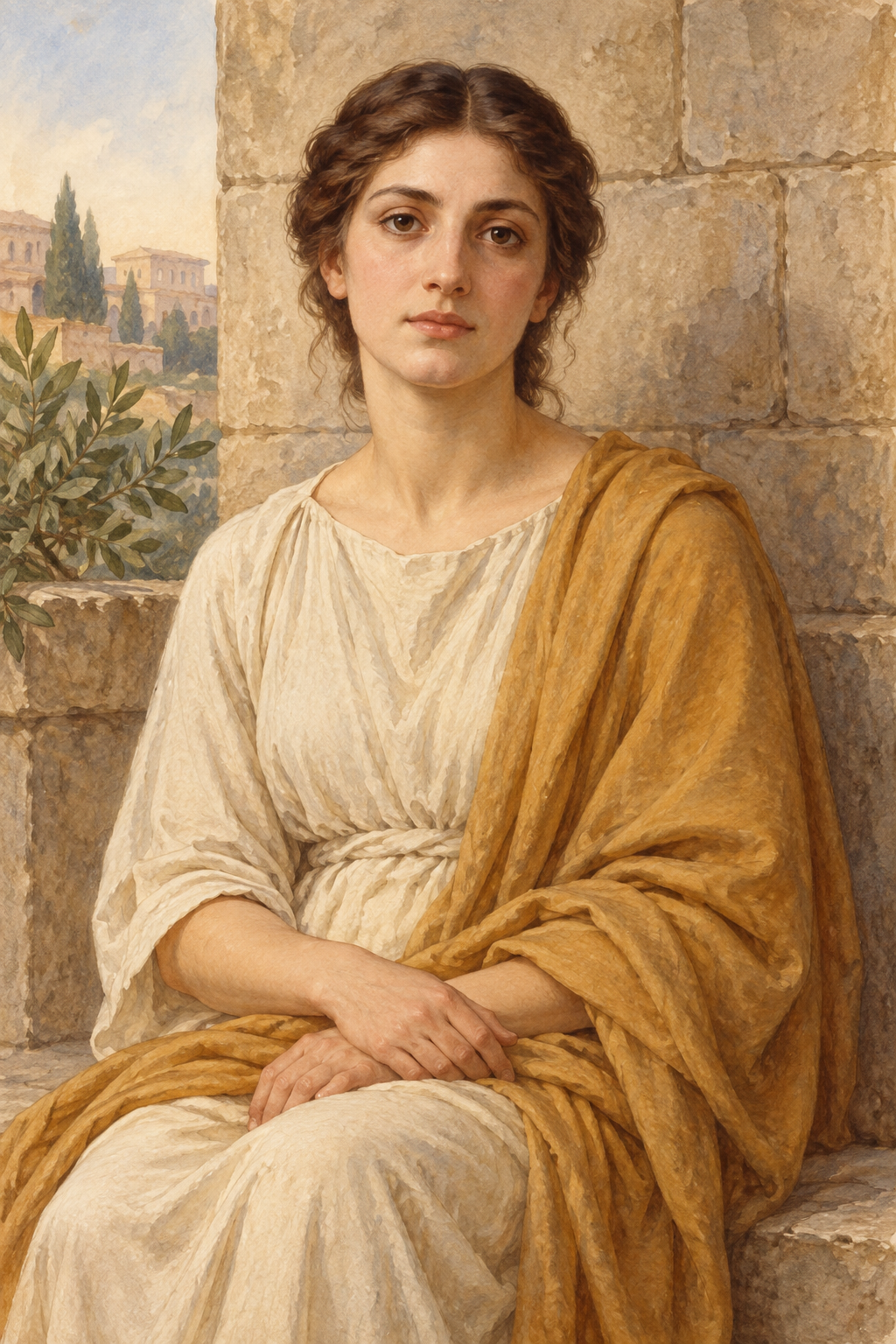
Plautilla's name survives in a Roman church commemoration. The older Roman martyrology places her on May 20 at Rome, describes her as a woman of consular family, and says she died in peace. It also presents her as mother of Flavia Domitilla and as someone baptized by the apostle Peter. Those claims have long shaped the way she is remembered, but a calendar written much later cannot by itself verify first-century relationships or an apostolic baptism. No contemporary inscription, letter, or independent life of this Plautilla was found in the reviewed evidence. The public record should therefore begin with what is secure about the tradition: she was named in this later commemoration. It should not turn the martyrology's inherited claims into a structured family relationship or an exact death date.The Acta Sanctorum edition traces much of Plautilla's fuller story to the *Acts of Nereus and Achilleus*. That narrative makes her related to a Roman consul, links her to Domitilla, and has Peter baptize them with members of their household. NASSCAL catalogs the Acts among Christian apocrypha. These details help explain how later Christians connected Plautilla with Rome's remembered martyrs, yet they are not a reliable independent family register. Treccani's historical review of the Flavian women also warns that the tradition of a separate virginal Domitilla arose from confusion. A profile about Plautilla can mention the lineage story as a story, but it should not assert that the actual Domitilla of documented Flavian history was her daughter. The distinction protects both records from an unsupported link.A second story places Plautilla near the apostle Paul's execution. In a *Martyrdom of Paul* transmitted under the name of Linus, she offers him a veil and later receives it back in a miracle scene. The Acta Sanctorum quotes the episode while noting that the text is not actually by Linus. NASSCAL identifies Plautilla's meeting as an addition to an apocryphal martyrdom account. The episode became powerful in art and retelling, but it does not supply an eyewitness record of Plautilla or Paul. It should be described as part of the legend rather than an event to date or map. The reviewed sources do not establish that Plautilla personally met Paul, gave him cloth, or witnessed his death. Her portrait accordingly avoids the veil scene and apostolic figures.The inherited Roman calendar treats Plautilla as a saint who rested in peace; it does not call her a martyr. Other modern retellings sometimes attach a martyr label because she appears in stories about martyrs, but a connection in a narrative is not evidence of her own execution. No reviewed source supports a structured year of birth or death. The Acta's approximate placement near the apostles follows the very stories whose historicity is uncertain. Rome is the calendar's location for her commemoration, not a birth certificate or a proved death place. The appropriate factual fields are therefore sparse. May 20 records the observed feast; her name identifies the received cult; family, dates, and death circumstances remain unconfirmed. The biography can still explain why the church remembered her and how the stories developed.Plautilla illustrates how a commemorated name and a detailed personal history can have very different evidential foundations. The calendar gives a real record of later devotion. The apocryphal texts show what communities said about her connections to Peter, Paul, and Domitilla; scholarly catalogs explain the literary character of those texts. Readers deserve access to both levels, plainly labeled. With that care, a public page need not erase Plautilla because her early life cannot be reconstructed. It can preserve her May 20 memory and explain the veil and household stories as traditional narratives, while declining to invent a family tree or a martyr's death. The imaginative portrait represents no verified face, age, or scene. Its restraint matches the limited facts that the source review permits.
Wondering how to weigh the stories and sources? Learn how to read a saint biography.