Biography
Pope Telesphorus
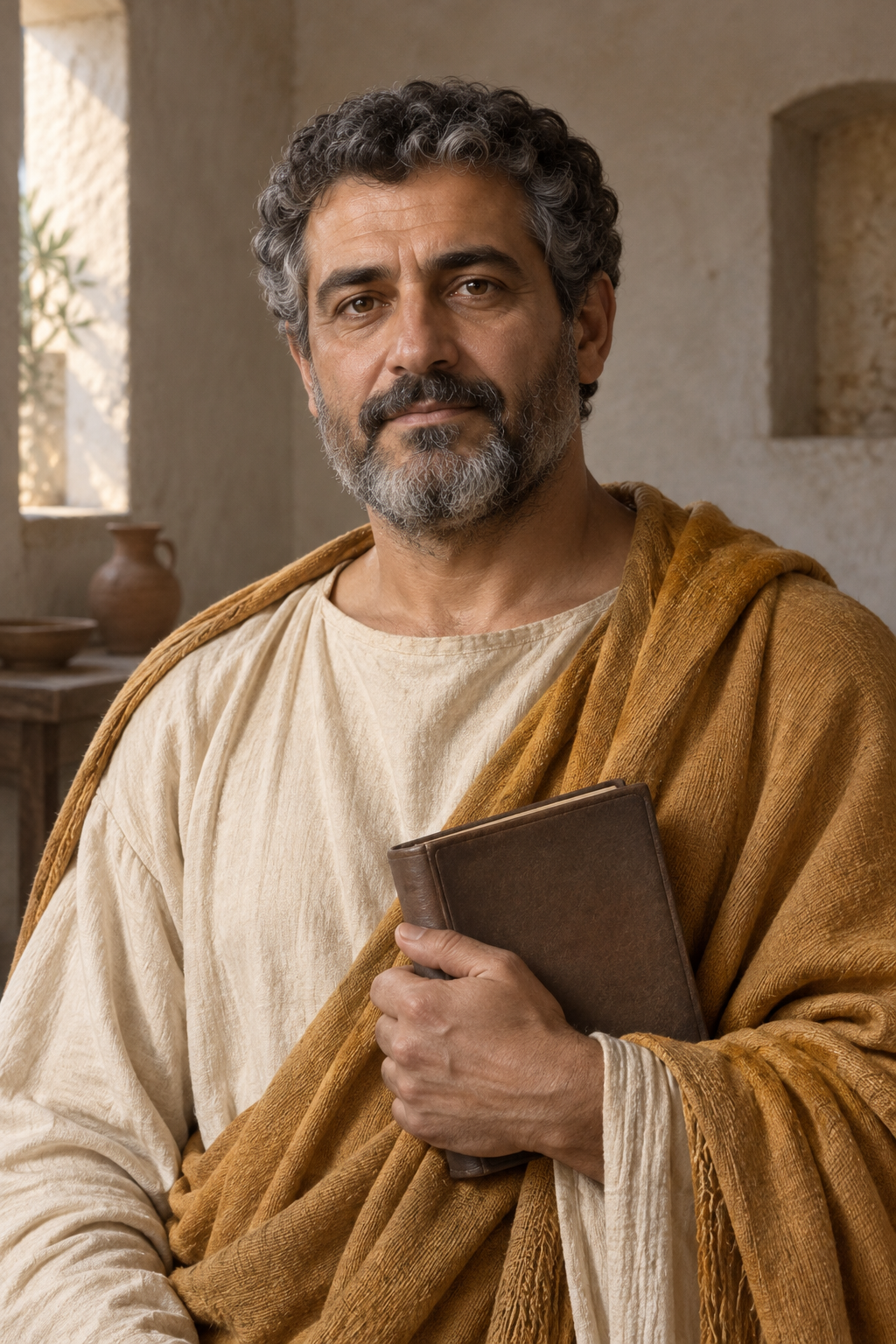
About Pope Telesphorus
Telesphorus led the Christian community of Rome during the second century. Irenaeus of Lyons places him after Sixtus and before Hyginus in the succession of Roman bishops. In the same brief notice, Irenaeus identifies him as a martyr. This early testimony establishes the central outline of his place in Christian memory.
The chronology is less certain. The Catholic Encyclopedia gives a conventional life span of office around 125–136, but also discusses the later dates 128–129 and 138–139 transmitted by Eusebius. These differing calculations prevent a precise beginning and end from being asserted. The Norwegian Catholic biography likewise preserves an approximate death around 136.
Later tradition supplied a much fuller picture. It described Telesphorus as Greek and as a former hermit. It also credited him with regulations for fasting before Easter, Christmas Midnight Mass and the singing of the Gloria. The Norwegian church biography distinguishes these reports from established practice and notes that scholars place the introduction of Midnight Mass centuries later.
Kirsch’s Catholic Encyclopedia assessment rejects the later claims about his liturgical decrees as genuine records of his work. It also recalls the received evidence that Telesphorus’s community celebrated Easter on Sunday while remaining in communion with communities following a different date. The remembered practice concerns fellowship across a difference of observance, rather than proof that he created the entire later Easter calendar.
The Norwegian account says that the circumstances of his martyrdom are not known. His reputation rests on Irenaeus’s early witness, while the detailed stories about his earlier life and reforms belong to later tradition.
Vatican News includes Telesphorus, under the English form Telesphore, in its 3 January saint-of-the-day calendar. Earlier Roman references list 5 January. The difference belongs to his commemoration history and does not establish the actual day of his death.
Wondering how to weigh the stories and sources? Learn how to read a saint biography.