Biography
Pothinus
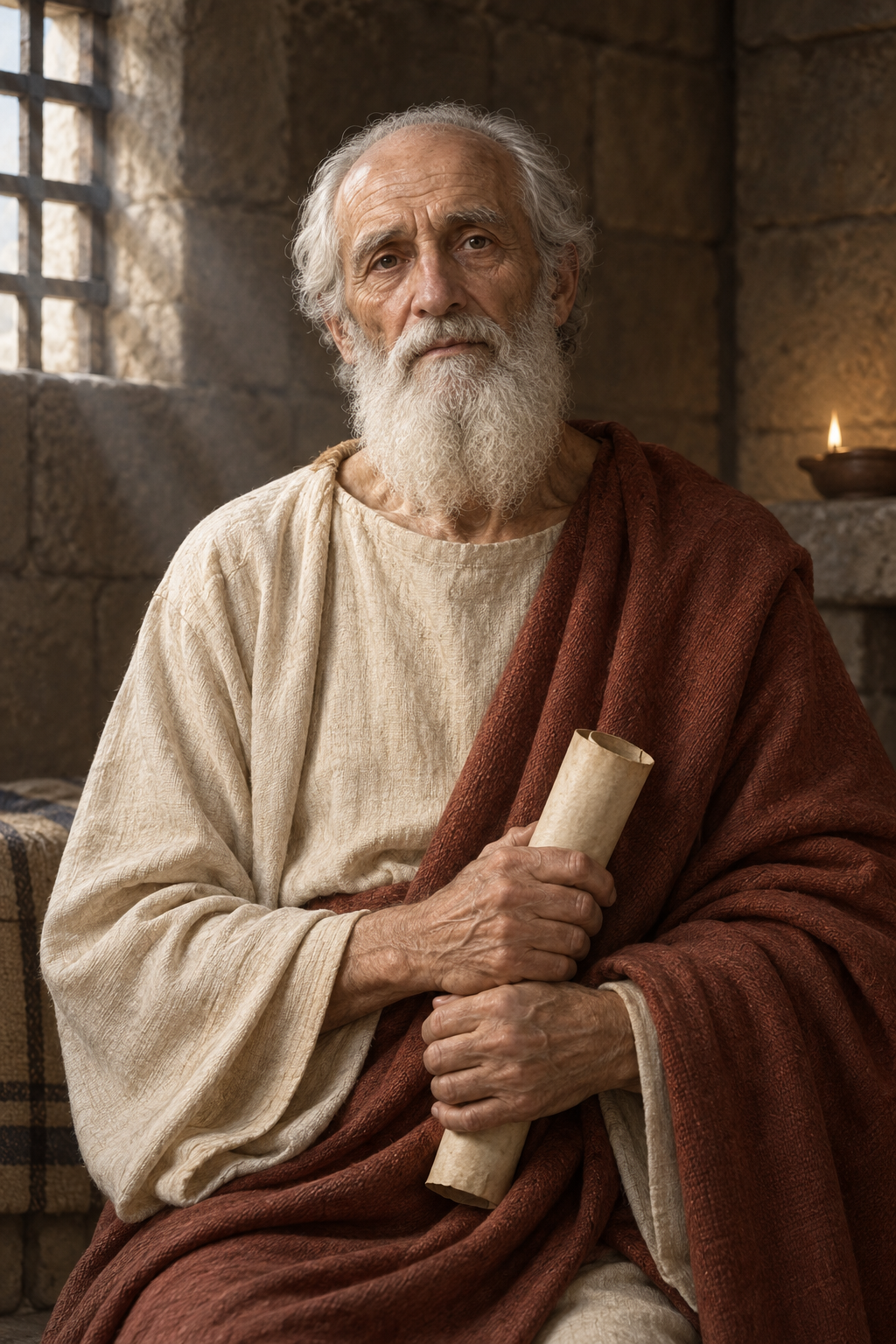
About Pothinus
Pothinus is one of the earliest bishops of Lyon whose life is known through a surviving Christian account. The principal evidence is a letter from the churches of Lyon and Vienne to Christians in Asia and Phrygia, written after the persecution usually dated to 177. Eusebius preserved the account in his Ecclesiastical History. The letter is a near-contemporary witness, though it speaks for the persecuted communities rather than offering a private biography of Pothinus. It provides no secure birth date or family history. Its striking detail is that Pothinus was already more than ninety years old and severely weakened when he was arrested.The letter describes a broad persecution in which local Christians were arrested and held in prison. Their testimony records insults, physical assaults, public interrogation, torture, and deaths. It presents the pressure as both official and popular: authorities questioned the prisoners, while crowds attacked them and demanded punishment. Pothinus appears in this larger account as the elderly bishop brought to the tribunal. This context matters because the letter is not merely a list of isolated deaths; it shows how an urban Christian community experienced a period of public hostility and legal coercion.When Pothinus was carried to the tribunal, the letter says that he was scarcely able to breathe because of physical weakness. It describes him as strengthened by his desire to bear witness, but this language belongs to the Christian letter’s interpretation of his courage. The governor asked who the Christians’ God was. Pothinus replied that the governor would know if he became worthy of that knowledge. The letter then says that people in the crowd struck and abused him. Because the event comes to us through a text written by fellow believers, the exact wording should be treated as the community’s reported testimony, not as a verbatim court transcript.After being returned to prison, Pothinus died two days later, according to the letter. His age and condition make clear that imprisonment and abuse occurred at the end of a long life, but the source does not give his date of birth, a precise calendar date for his death, or a modern medical cause. Later calendars place his feast on dates that serve liturgical remembrance and should not be mistaken for a securely documented day of execution. The event is associated with the persecution under Marcus Aurelius in about 177, and with the wider martyr group of Lyon.The letter does not present all prisoners in the same way. It distinguishes people who died in prison from those whose lives continued through further stages of trial and public punishment. It also preserves uncertainty about individual fates where witnesses did not know what happened. Pothinus is the clearest named elderly leader in its account, but he is not the only person remembered. The text places him among a community whose members supported and encouraged one another during detention. Later summaries sometimes add details from other martyr acts or from the story of Irenaeus; those should not be silently transferred to Pothinus.After the persecution, Irenaeus succeeded Pothinus as bishop of Lyon. Eusebius records this succession in a later chapter and preserves Irenaeus’s account of the church’s earlier history. The surviving letter does not establish a birth date or the later tradition that Polycarp sent him from Asia Minor.Pothinus’s memory is preserved in separate liturgical traditions. The French Catholic calendar commemorates him with Blandina and other companions on June 2. An Orthodox calendar observes the hieromartyr on August 23, which falls on September 5 for communities using the Julian calendar in the present era. These commemorations belong to different calendars and should remain labeled by tradition. The available evidence supports identifying Pothinus as bishop and martyr, while leaving exact birth, death-day, and family details unknown. His importance rests on a near-contemporary account of a very early Christian community under pressure.
Wondering how to weigh the stories and sources? Learn how to read a saint biography.