Biography
Samuel
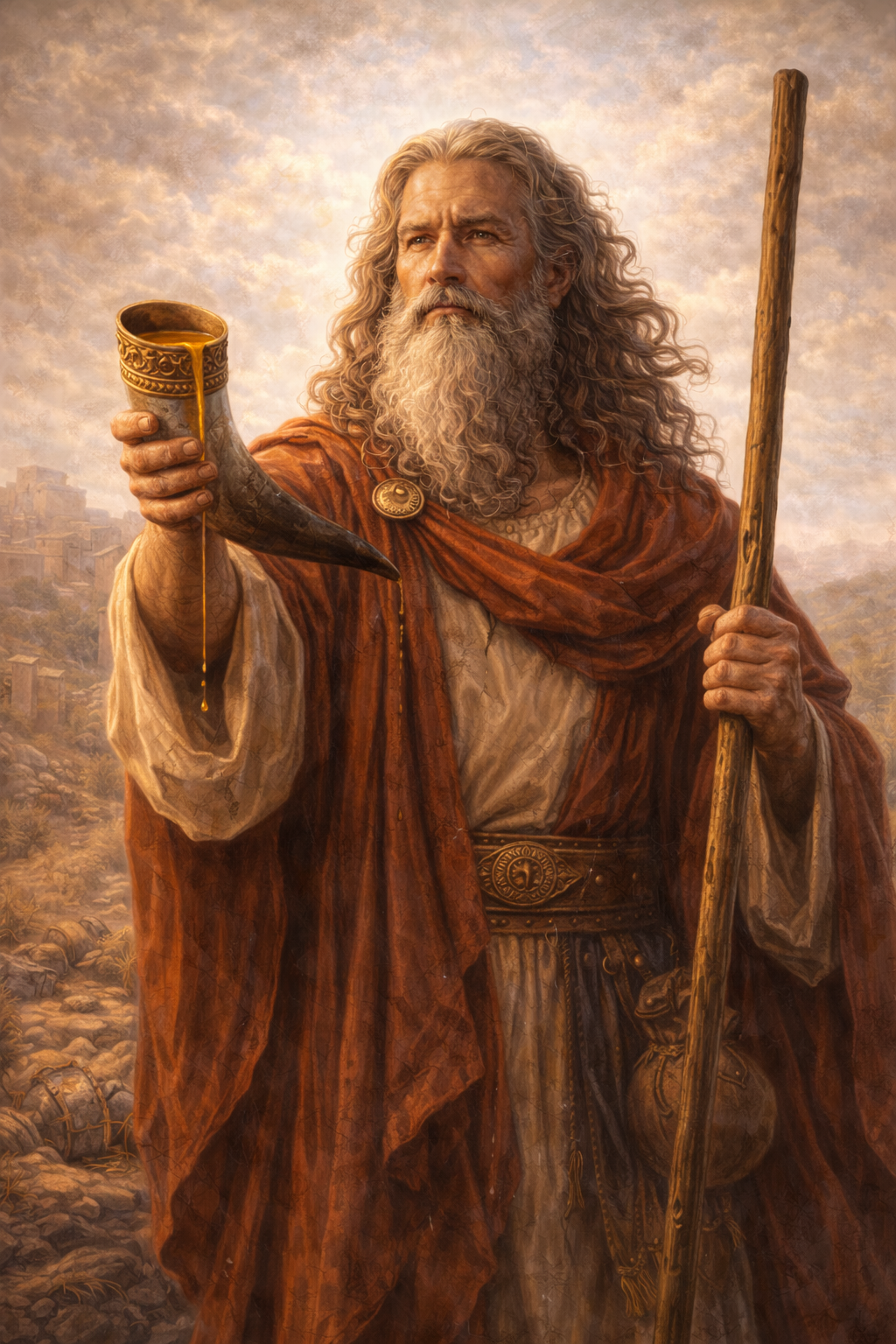
About Samuel
The Books of Samuel present Samuel as a prophet, judge, and reluctant maker of kings during Israel's transition from local judges to monarchy. The USCCB introduction warns that these books combine independent narrative blocks and freely composed speeches rather than offering continuous modern history. No contemporary record establishes Samuel's birth year, death year, or a precise chronology for his ministry. His story is therefore reported as received biblical narrative, while later commemoration is identified separately.
First Samuel introduces Hannah, one of Elkanah's two wives, as childless and distressed by rivalry within the household. At Shiloh she prays silently, and Eli initially mistakes her intensity for drunkenness before recognizing her sorrow and blessing her request. Hannah promises that a son will be dedicated to the Lord, later bears Samuel, and brings him to Shiloh after weaning. The chapter does not say that Samuel was three years old, so that later traditional detail is not used as history.
The child serves under Eli while Eli's sons exploit worshipers and abuse their priestly position. Hannah visits with a small robe, and the narrative repeatedly contrasts Samuel's growth with the corruption around him. Hannah's song celebrates reversals of power and fortune, but the biography does not assign Samuel authorship of it. His early service occurs within a compromised institution, not an idealized sanctuary untouched by misconduct.
One night Samuel hears his name and repeatedly goes to Eli, who eventually understands that the boy is being called and tells him how to answer. The message concerns judgment on Eli's house, and Samuel is afraid to report it the next morning. When Eli insists, Samuel tells him everything. The chapter then says Israel recognizes Samuel as a prophet from Dan to Beer-sheba; this is a claim within the narrative, not independent evidence for national boundaries or travel. The following ark narrative reports the deaths of Eli and his sons after military defeat, placing Samuel’s rise amid institutional collapse and communal loss.
After the ark narrative, Samuel calls Israel to abandon foreign gods and gathers the people at Mizpah. When Philistine forces approach, the people ask him to continue crying out on their behalf. First Samuel attributes the ensuing victory to divine intervention and says Samuel erects a stone called Ebenezer. It also describes his annual circuit through Bethel, Gilgal, and Mizpah before returning to Ramah, but supplies no recoverable route or coordinates for a modern map.
In old age Samuel appoints his sons as judges, but the elders accuse them of taking bribes and distorting justice. They demand a king like other nations. Samuel warns that royal power will take sons, daughters, fields, harvests, servants, and flocks. The introduction notes that the books preserve both positive and negative traditions about monarchy, so Samuel's protest should not be reduced to personal wounded pride or treated as the only biblical judgment on kingship.
First Samuel narrates Samuel's private anointing of Saul and a later public selection before the tribes. Samuel explains royal practice and places a written record before the Lord. In his farewell address he asks whether he has taken anyone's ox, donkey, or bribe, and the people answer that he has not defrauded them. He promises to continue praying and teaching even after political leadership changes. These narrative actions support integrity and responsibility more specifically than generic praise.
Conflict with Saul develops over royal action and prophetic command. Samuel first rebukes Saul after the king offers sacrifice before Samuel arrives. Later he confronts Saul over the campaign against Amalek, including Saul's preservation of Agag and selected spoil. The chapter contains troubling commands of total destruction that must not be softened into a simple lesson about obedience. Samuel announces Saul's rejection, kills Agag, and grieves for Saul; the portrait combines moral courage with violence and sorrow.
The narrative next sends Samuel to Jesse's household at Bethlehem, where he anoints David after passing over the older sons. The chapter emphasizes that outward stature is not the basis of selection. Samuel later appears at Ramah with a prophetic community, where David seeks refuge from Saul. These scenes connect Samuel with the rise of a second king, but the books themselves contain repeated and sometimes inconsistent traditions about David's entrance into royal life.
First Samuel reports Samuel's death and says Israel mourns him and buries him at his home in Ramah. The later Endor episode portrays Saul seeking a medium and encountering a figure identified in the narrative as Samuel, who announces defeat and death. This postmortem scene is presented as biblical narrative, not documented evidence about necromancy or Samuel's historical speech. Sirach and Acts preserve later scriptural reception of Samuel, while the Orthodox Church in America commemorates the Prophet Samuel on August 20. His enduring significance lies in the text's unsparing portrait of leadership, institutional corruption, contested monarchy, truth-telling, prayer, violence, and grief.
Wondering how to weigh the stories and sources? Learn how to read a saint biography.
Prayers for Samuel
Troparion excerpt for the Prophet Samuel
You served Him with holiness and righteousness