Biography
Samuel of Qalamun
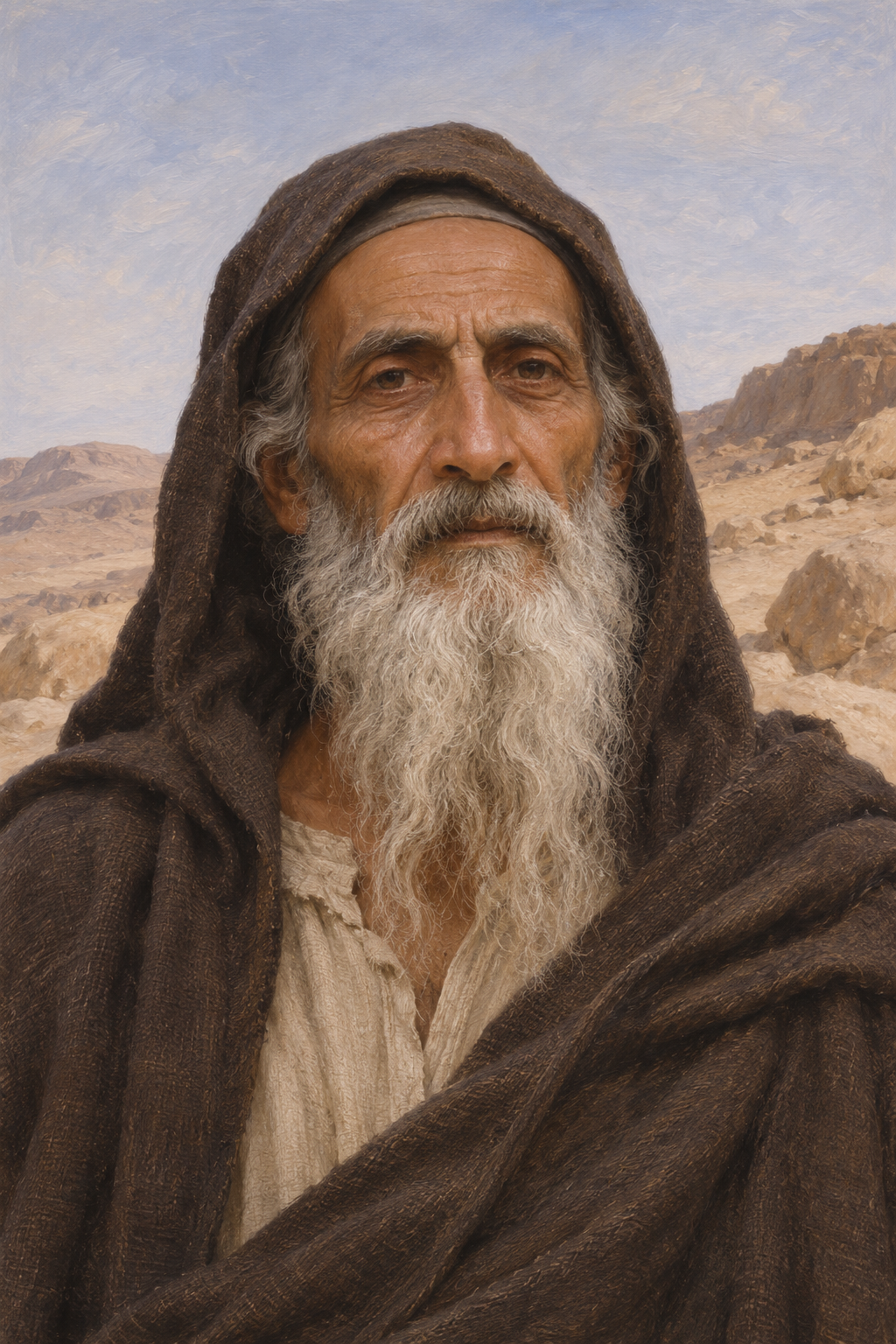
About Samuel of Qalamun
Samuel was born in the Egyptian Delta around 597 and entered monastic life at Scetis. The Coptic tradition remembers him as a monk whose career joined several communities: Scetis, Naqlun, and Qalamun in the Fayyum region. The exact chronology comes from the Life and later scholarship, not a continuous contemporary record. Qalamun already had a monastic past before his arrival, so his role is best described as renewing and gathering a community rather than founding monasticism there.
The Coptic Encyclopedia gives Samuel’s parents as Silas, a presbyter, and Kosmiane. It says he became a subdeacon at twelve; after his mother’s death, his father had a vision about the future of his son and established a church where Samuel served as deacon. Samuel entered Scetis after his father’s death. The traditions differ over whether he was eighteen or twenty-two at entry, and his exact age is uncertain.
Samuel’s Life recounts his refusal to sign an imperial statement on Christological doctrine. Officials beat him, damaged one eye, and expelled him from Scetis. The Coptic narrative presents the episode as a confession of faith under pressure; it is the community’s hagiographic account rather than a surviving administrative report.
The Life places Samuel at Naqlun, a monastery in the Fayyum. Ewa Wipszycka notes that it describes about 120 monks and approximately 200 laypeople there. Those figures may be literary rather than census data, but the passage depicts monastic life as embedded in a community of workers and families. The account also portrays conflicts, shelter, and exchange between the monastery and surrounding settlements, widening the picture beyond solitary desert asceticism.
At Naqlun, the Life says Samuel asked the monks to leave before Cyrus arrived, after which he was arrested and brought before the patriarch. He was beaten again and escaped death only when local magistrates intervened. The account then says he spent six months at Takinash before moving farther into the desert and finding the sand-covered church at Qalamun. This sequence makes his later foundation a result of repeated displacement, not a single planned migration.
At Qalamun, the tradition says, Samuel set to work repairing the small church he had found and the cells around it. Disciples from older settlements gathered around him, and he later built a larger church dedicated to Mary. These details belong to the Life, while the older archaeological and textual record indicates monks had lived on the mountain before him. His remembered contribution was organizing and restoring a community in an established monastic landscape.
The Coptic Life distinguishes two captures by Berber raiders. During the first, the camel carrying Samuel refused to move; during the second, he was held for three years at Siwa, where he met John, the former head of Scetis. The Life says Samuel was released after healing members of his captor’s household and returned with camels given by the captors. Monks from Naqlun and Takinash later joined his community. These episodes are hagiographic, but they preserve the tradition’s account of how the Qalamun house gathered its members.
As the community grew, the Life says Samuel entrusted practical management to his deacon Apollo, who collected gifts for the larger church. Samuel then withdrew to a remote place and visited the monastery on Sundays. The narrative links this withdrawal with his reputation for ascetic discipline while showing that he remained connected to the community he had gathered. One of the benefactors the Life remembers by name was Mena, an official related to Samuel. As the house became more established, Alcock says that Samuel spent longer stretches in the desert or the marshes, sometimes returning only once in three months.
The Life also preserves an unusual account of material strain after the Arab conquest. Wipszycka discusses its report that authorities requisitioned monastery camels to carry grain to Clysma for months. The monks were then short of transport for obtaining bread. Because the story is embedded in hagiography, the exact details require caution, yet it offers a glimpse of how monastic institutions could be drawn into state demands and how logistics affected daily subsistence.
The Coptic Encyclopedia says Samuel spent fifty-seven years at Qalamun and died at ninety-eight, figures that belong to the Life’s chronology. His long residence links the remembered displacement of his early monastic years with the durable community he organized at the mountain.
The Life also became an important witness to the monastery’s later history. The Coptic Encyclopedia notes that it preserves place names and episodes used in reconstructing the development of Qalamun. Samuel’s own biography is only one part of that record, but the foundation narrative explains why his name remained attached to the monastery.
Samuel’s image in liturgy is selective. Youhanna Nessim Youssef compares Bohairic doxologies that remember different details: one praises spiritual gifts with little biography, while another recalls Scetis, conflict with an official, exile, captivity, and return. These texts show the development of devotional memory, not independent witnesses for each episode. Samuel’s significance rests on the tradition of a monk who resisted coercion and helped sustain a community at Qalamun.
Wondering how to weigh the stories and sources? Learn how to read a saint biography.