Biography
Sarah
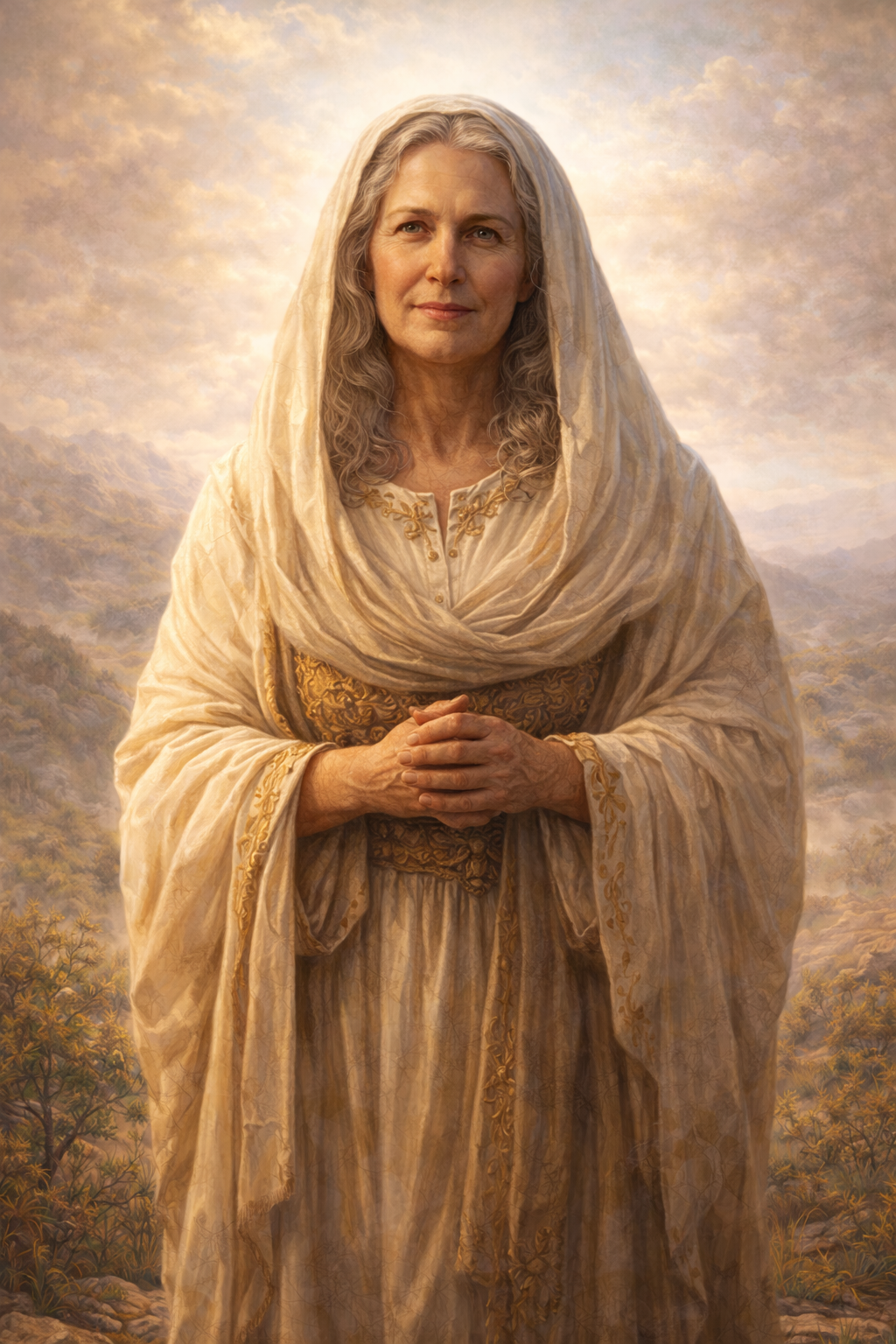
About Sarah
Genesis introduces Sarah under her earlier name, Sarai, as Abraham's wife within Terah's family and says that she had no child. The USCCB introduction identifies Genesis 11:27–25:18 as the Abraham and Sarah cycle. This is ancestral narrative rather than modern documentary biography: no contemporary record establishes Sarah's birth, age, route, or historical identity. The catalog therefore preserves her importance without converting scriptural numbers into modern dates.
Sarai travels with Abram and the household from Haran toward Canaan in Genesis 12. When famine leads them toward Egypt, Abram asks her to identify herself as his sister because he fears being killed. Pharaoh takes her into his household and rewards Abram, but afflictions expose the situation and Pharaoh sends them away. The story gives Sarai little direct speech and places her at risk through Abram's decision. A responsible account cannot retell the episode as proof of her beauty alone or ignore the danger and imbalance of power.
After continued childlessness, Sarai gives Hagar, an enslaved Egyptian woman, to Abram in an effort to obtain children through her. Hagar conceives, conflict follows, and Sarai treats her harshly until she flees. The narrative later brings Hagar back, but it does not make Sarah's conduct harmless. The episode shows how longing, hierarchy, and household power produce suffering. Hagar and Ishmael remain persons in the story, not obstacles to be removed from Sarah's biography.
Genesis 17 changes Sarai's name to Sarah and places her directly within the covenant promise. The chapter says she will bear Isaac and become an ancestor of nations and rulers. Abraham laughs at the announcement and asks that Ishmael also live under divine favor. The reply promises futures for both sons while distinguishing the covenant line through Isaac. The ages in the chapter belong to the scriptural presentation and do not provide a defensible modern birth date for Sarah.
At Mamre, Abraham welcomes three visitors while Sarah prepares bread inside the tent. She overhears the announcement that she will have a son and laughs privately at the prospect in old age. When questioned, she denies laughing because she is afraid. The scene records skepticism and fear alongside participation in hospitality. Later Christian interpretation of the visitors should not be inserted into Sarah's thoughts or treated as independent evidence for the event.
Genesis 20 repeats the sister-wife danger in Gerar. Abraham identifies Sarah as his sister, and Abimelech takes her before receiving a warning in a dream. The chapter reports her return, gifts, and Abraham's explanation that Sarah was the daughter of his father but not of his mother. That explanation belongs to this version of the biblical story; it is not external genealogical documentation. The duplicate pattern warns against smoothing different ancestral traditions into one seamless modern chronology.
Genesis 21 narrates Isaac's birth and connects his name with laughter. Sarah speaks of the laughter her son's birth will bring and says that she has nursed a child in Abraham's old age. The episode gives her a rare first-person response of astonishment and joy. The narrative's theological claim of fulfilled promise is central to later reception, while the reported ages remain traditional rather than historically verified.
Joy is followed by another grave household rupture that the biography must not minimize or excuse. After seeing Hagar's son playing with Isaac, Sarah demands that Abraham drive out the enslaved woman and her child. Abraham is distressed, but the expulsion proceeds with limited provisions. Genesis then follows Hagar into the wilderness, where God hears the boy and preserves them. The chapter shifts attention away from Sarah and toward the survival of those expelled, giving Hagar water, a divine assurance, and a future for Ishmael. Sarah's central place in the promise does not excuse the action or erase its consequences; the text itself keeps Ishmael within a divine promise.
Genesis reports Sarah's death at Kiriath-arba, identified in the narrative as Hebron, and gives her age as 127. Abraham mourns and negotiates for the field and cave of Machpelah, where he buries her. The purchase functions within Genesis as the family's first burial holding in Canaan. Neither the narrative age nor the traditional tomb association supplies a secure calendar year or a verified archaeological coordinate. The catalog therefore records the historical place-name cautiously and leaves modern location fields unset.
Later biblical writings receive Sarah in different ways. Hebrews associates her with faith in the promise, and Romans names Sarah when distinguishing the promised line through Isaac. These passages document later scriptural reception, not independent confirmation of her biography. The Orthodox Church in America commemorates Righteous Sarah on December 16. Sarah remains significant as a named matriarch whose story joins movement, long childlessness, laughter, motherhood, household authority, and moral failure. Telling that story carefully honors both her enduring reception and the people harmed within her household.
Wondering how to weigh the stories and sources? Learn how to read a saint biography.