Biography
Silverius
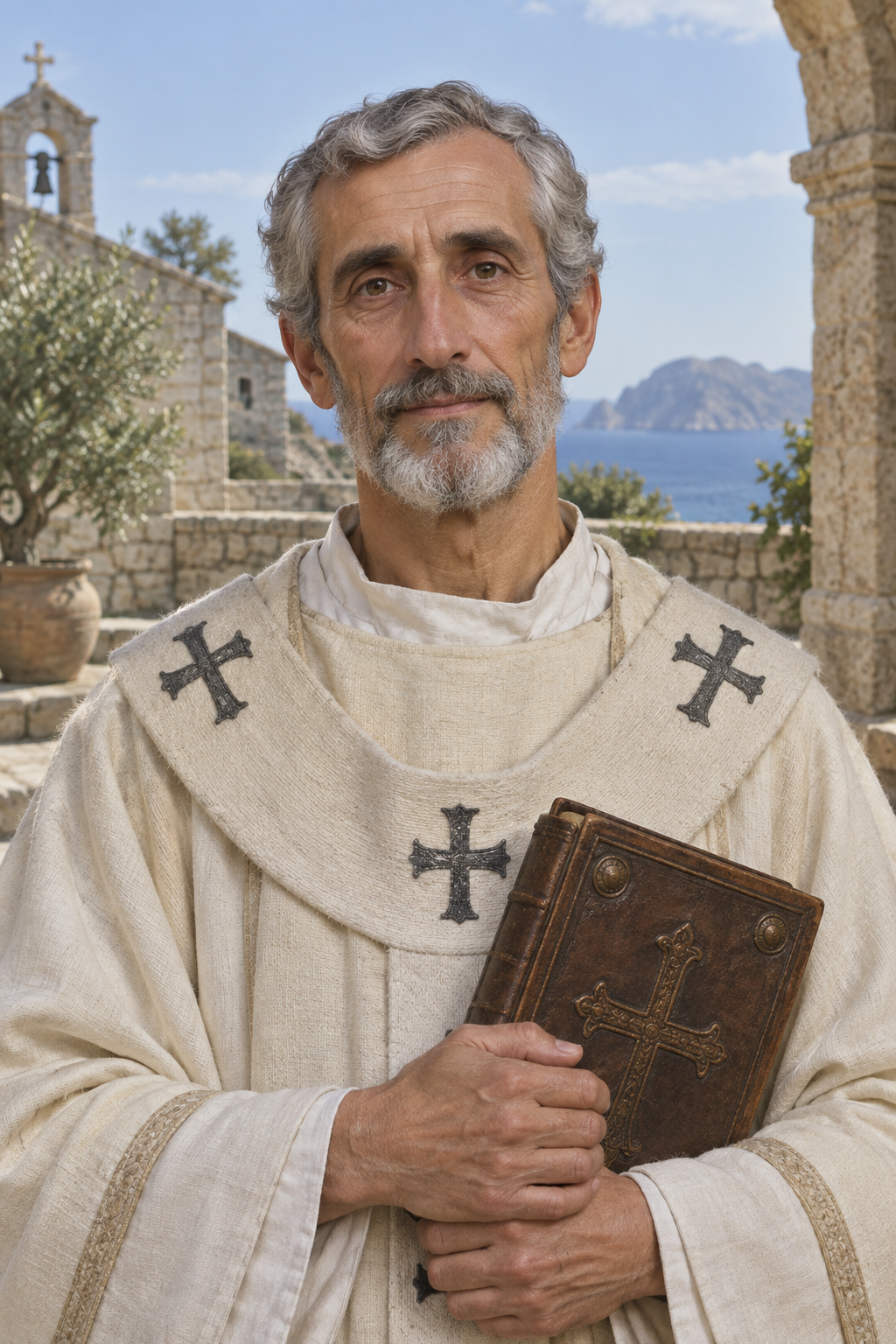
About Silverius
Silverius became pope in 536, during the struggle for control of Italy. The Holy See records June 8 as the beginning of his pontificate and gives 537 as its final year.
He was the son of Pope Hormisdas and had served as a subdeacon before his own election. His father had married before entering the higher ranks of the clergy.
The Liber Pontificalis links his elevation to pressure from the Gothic king Theodahad. Its hostile opening account alleges bribery and intimidation; those accusations should not be treated as an established description of Silverius’s motives.
Procopius describes a different decisive action: Silverius urged the Romans to receive the imperial army. The city’s inhabitants feared suffering the destruction that had overtaken Naples, and invited Belisarius to enter without a battle.
Later, during the siege, suspicion fell on Silverius himself. Procopius reports that Belisarius sent him away on suspicion of negotiating with the Goths and placed Vigilius in his office. The historian records an accusation, not a demonstrated verdict of treason.
Mario Niccoli cautions that partisan sources leave the chronology of Silverius’s removal and its political and religious motives uncertain.
Vatican News preserves the tradition of a final exile on Palmarola. Its narrative describes Silverius’s return to Italy after intervention on his behalf, followed by renewed confinement rather than restoration to the papacy.
The Catholic Encyclopedia leaves the exact death date unsettled and treats his subsequent veneration separately from the events of his removal. His later veneration preserved the memory of a pope whose tenure ended in forced exile.
Wondering how to weigh the stories and sources? Learn how to read a saint biography.
Explore similar vocations
Prayers for Silverius
Silverius — collect opening petition
Eternal Shepherd, regard graciously Thy flock