Biography
Sixtus II
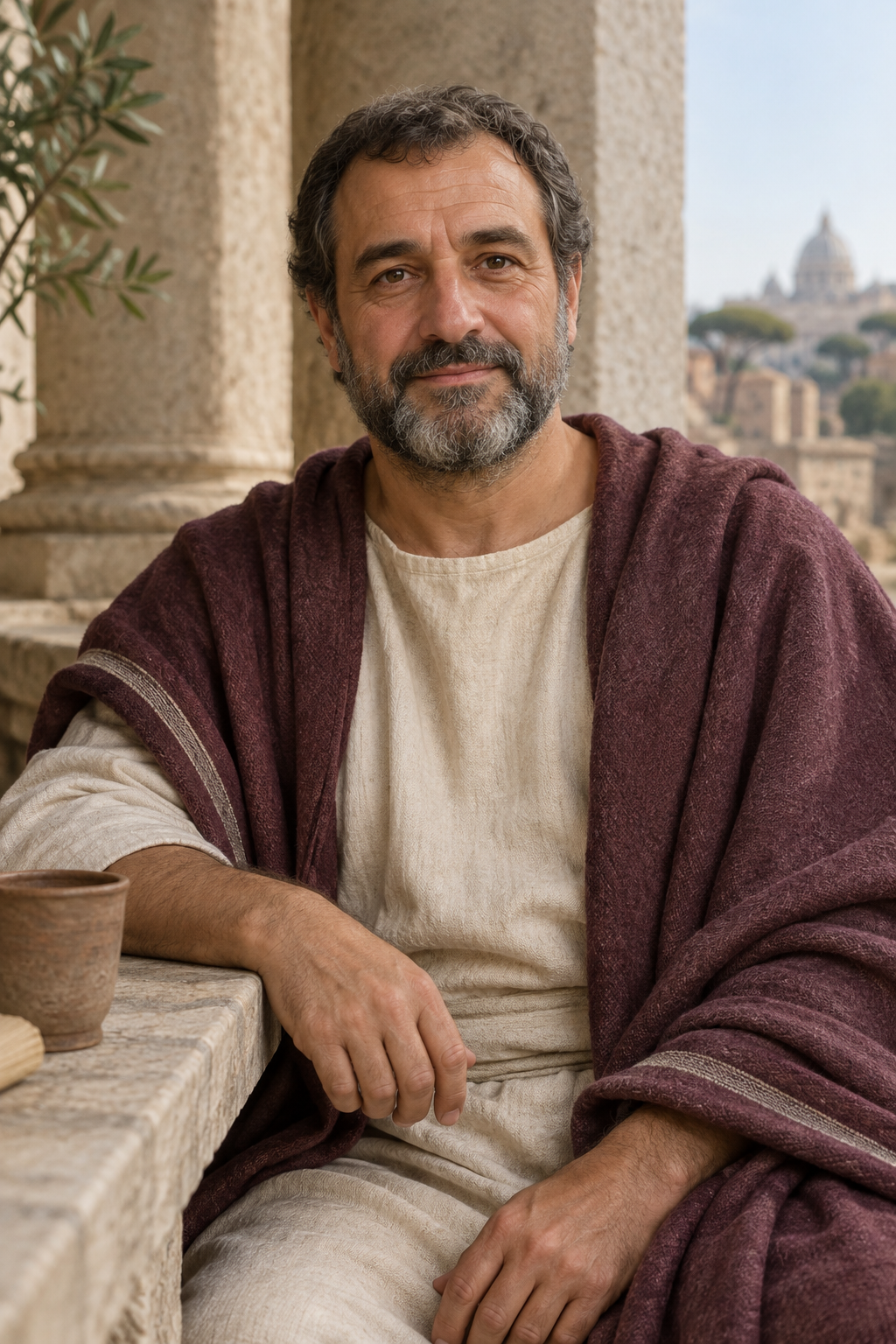
About Sixtus II
Sixtus II became bishop of Rome in 257, and his brief leadership ended with his death on August 6, 258. The Holy See lists him as the twenty-fourth pope.
He inherited strained relations over whether Christians baptized outside the church should be baptized again. The Catholic Encyclopedia describes him as restoring friendly relations with African and Asian churches while retaining Roman practice against rebaptism.
Dionysius of Alexandria consulted Sixtus about a man troubled by his earlier baptism, despite years of sharing the church's Eucharist. The letter preserved by Eusebius explains Dionysius's refusal to rebaptize him and asks Sixtus for advice; it does not preserve Sixtus's answer.
Pontius, writing about Cyprian of Carthage, remembers Sixtus as a priest committed to peace. His brief notice places news from Rome alongside Cyprian's expectation of his own death.
Cyprian's letter to Successus supplies contemporary news of Sixtus's martyrdom. It reports that Valerian had ordered the execution of bishops, priests, and deacons, and that Sixtus had been killed in a cemetery on August 6 with four deacons. Cyprian asked that this news be passed to other Christian communities.
Sixtus was buried in the Crypt of the Popes at the Catacombs of Saint Callixtus in Rome. The site's custodians identify his burial at the front wall, preserving his place among the Roman bishops remembered there.
The familiar account of his final conversation with Lawrence belongs to later tradition. His reported Greek origin is also disputed, and the collection called the Sentences of Sixtus is not his work.
Wondering how to weigh the stories and sources? Learn how to read a saint biography.
Explore similar vocations
Prayers for Sixtus II
Sixtus II and companions — collect petition
Da nobis in ætérna beatitúdine de eórum societáte gaudére.