Biography
Taurinus
About Taurinus
Taurinus is remembered by the church of Évreux as its first bishop and evangelizer. The surviving evidence is much stronger for the history of that local memory than for the details of his life. The Conférence des évêques de France’s Nominis entry places his feast on August 11 and notes that the Roman Martyrology remembers him at Évreux, perhaps in the fifth century, as the city’s first bishop. It also makes a crucial source distinction: the story of his evangelization, confrontation with pagan worship and miracles is reported in a ninth-century legend.
A late-fourth-century date is often attached to Taurinus, and local tradition connects him with the early spread of Christianity around the Roman settlement of Mediolanum, later Évreux. That chronology is not supported by a contemporary life. Jean Taralon’s 1982 study of the Évreux reliquary explains that the conventional account rests on legendary reports in late texts, especially the *Life of Saint Taurinus*, long treated by critics as a ninth-century forgery. Taralon places the setting of the tradition among stories about early Gallic missionaries who preached, healed and opposed idols. The literary pattern helps historians understand how communities imagined their Christian beginnings; it does not independently establish the events narrated.
The tradition says Taurinus preached in the region and became the first bishop. Nominis reproduces the claim that he was associated with Denis of Paris, but this connection belongs to the legendary account and should not be taken as secure evidence for a historical relationship. The detailed miracles attributed to him likewise come from the same late narrative tradition. No reliable contemporary record cited here names his parents, birthplace, ordination, or year of death. It would therefore be misleading to turn the received story into an uninterrupted chronology.
The cult of Taurinus, by contrast, is historically visible in Évreux. The Nominis entry identifies him as patron of the diocese and points visitors to his shrine. Taralon’s study examines the reliquary and the abbey’s later history, showing how veneration and relic traditions became part of the monastery’s identity. The account of the relic discovery by Landulf, bishop in the late sixth century, belongs to the same legendary narratives and includes a miraculous vision. It is relevant to the development of the cult, but it cannot be used as independent confirmation of Taurinus’s fourth-century life.
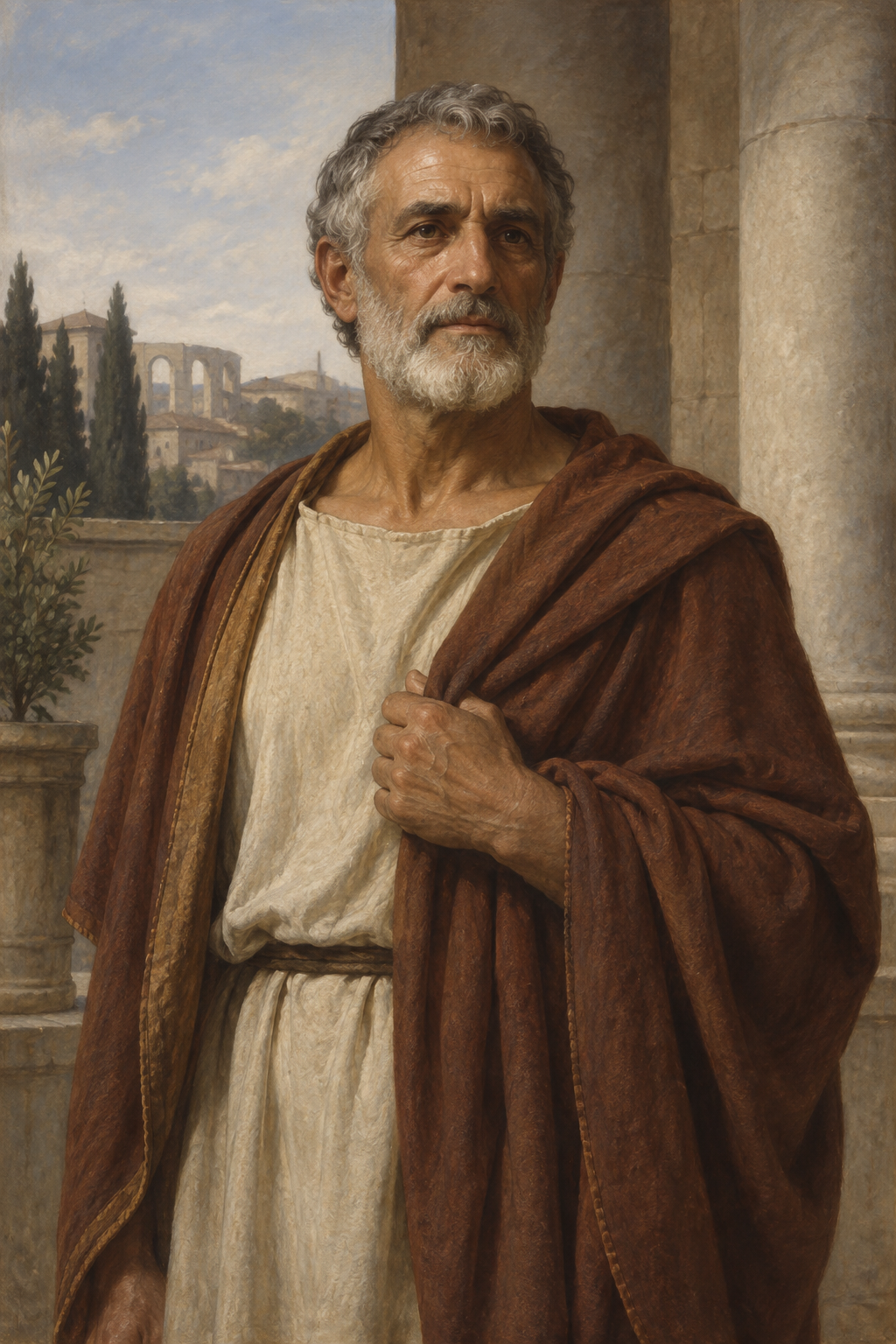
Taurinus’s enduring significance is thus local and ecclesiastical. Évreux has remembered him as the first bishop and founder of its Christian community; its calendar retains an August 11 feast. The evidence does not permit certainty about his personal chronology or the miracles in his *Vita*. A short biography that explains the limits of the sources is more responsible than a detailed retelling that presents the late legend as contemporary fact. The portrait associated with this record is an imagined devotional representation, not an archaeological likeness or a claim about his historical appearance.
Wondering how to weigh the stories and sources? Learn how to read a saint biography.