Biography
Theodore of Pherme
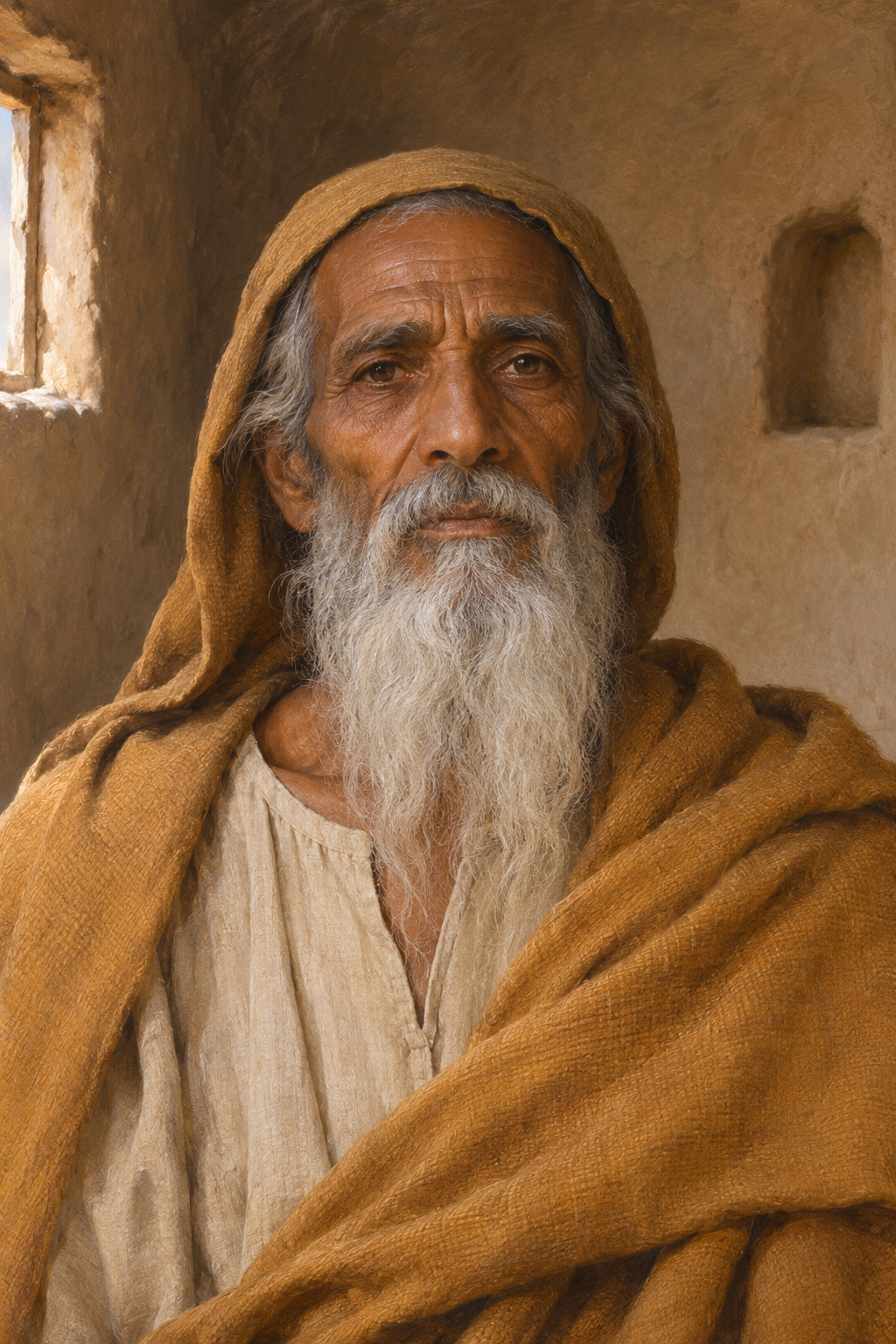
About Theodore of Pherme
Theodore was a monk at Scetis in the Egyptian desert before an attack drove him from the place where he had learned the monastic life. Lucien Regnault identifies the attack with the devastation of Scetis in 407. Theodore settled at Pherme, about twenty miles to the northwest. Several Egyptian monks bore his name, but the storytellers who remembered this one identified him by his second home. His acquaintances included Macarius and John the Eunuch. A substantial group of stories and sayings gives a sense of the questions people brought to him, although it supplies few dates for his life.
One of those stories begins with a question of his own. Theodore had acquired three good books. He read them himself and lent them to other brothers, so selling them would mean losing something of real value to several people. Yet the proceeds could go to people in need. He asked Macarius how to choose. Macarius acknowledged the good the books already did and commended the freedom of owning nothing. Theodore sold them and distributed the money. The story preserves his hesitation as well as his decision. Lending a book and giving away its price had both seemed reasonable to him.
Theodore remembered Scetis as a place where manual work took second place to the work of the soul. When someone asked what he meant, his example was a visit to a sick neighbor. A monk hears that a brother is ill but wants to finish his work before going to see him. Then another job comes up, and in the end he never goes. The fault in that little story lies in how readily a useful occupation can supply an excuse. What looked like diligence at the workbench could leave a sick man quite alone.
Visitors did not always get the answer they expected. One monk who had spent eight years in the habit complained that he could find no peace living either alone or with others. Theodore answered that after a lifetime in the habit he himself had yet to find such ease. When another visitor spoke at length about things he had never tried, Theodore pictured a sailor already describing his destination before he had even found a ship. A third man waited three days for a saying and went away empty-handed. Theodore told his disciple that the visitor wanted to repeat someone else’s wisdom to win admiration. When a frightened brother begged for a saying because he felt himself in danger, Theodore spoke of his own danger too. The visitor had come expecting guidance from a man who seemed secure, and the answer placed the two on common ground.
Although he disliked governing others, he did have disciples. In a story told from a disciple’s point of view, an onion seller filled a bowl for the young monk. Theodore asked him to give the man wheat in return. The disciple took grain from the pile that had not been cleaned. Seeing the elder’s displeasure, he dropped and broke the bowl. The tale changes course there. Theodore took responsibility for the errand he had given the frightened young man, gathered clean wheat in his own garment, and handed it over together with the onions.
Ordination brought him a responsibility he resisted. The tradition says he had been made a deacon at Scetis against his wishes. Other monks tried to persuade him to serve. When he asked for some indication of what was required of him, he had a vision of a pillar of fire reaching from earth to heaven. In the story he understood its height as a measure of the demands of the office and declined to take his place. When the brothers asked him at least to hold the cup in church, he still refused. They finally let the matter rest.
In old age, when he was ill, visitors began bringing food to his cell. According to the collection, he passed one visitor’s gift on to the next person who arrived. When it was time to eat, he accepted whatever happened to be brought then. Another visitor found him sitting in a torn tunic. On hearing that a count was at the door, the visitor tried to cover the elder’s shoulders. Theodore removed the covering. Guests could see him as he was, he explained. He even asked his disciple to tell callers plainly when he was eating or sleeping.
There is no comparable account of his death in Regnault’s notice. The sayings linger instead on the uneasy balance between his love of solitude and the stream of people drawn to his door. He could send a visitor away without a word, yet he also taught that withdrawing from someone was compatible with holding that person in esteem. The encounter with the onion seller gives substance to that teaching. In it an old man who expected his pupil to give good measure ended up carrying the grain himself.
Wondering how to weigh the stories and sources? Learn how to read a saint biography.