Biography
Tobit
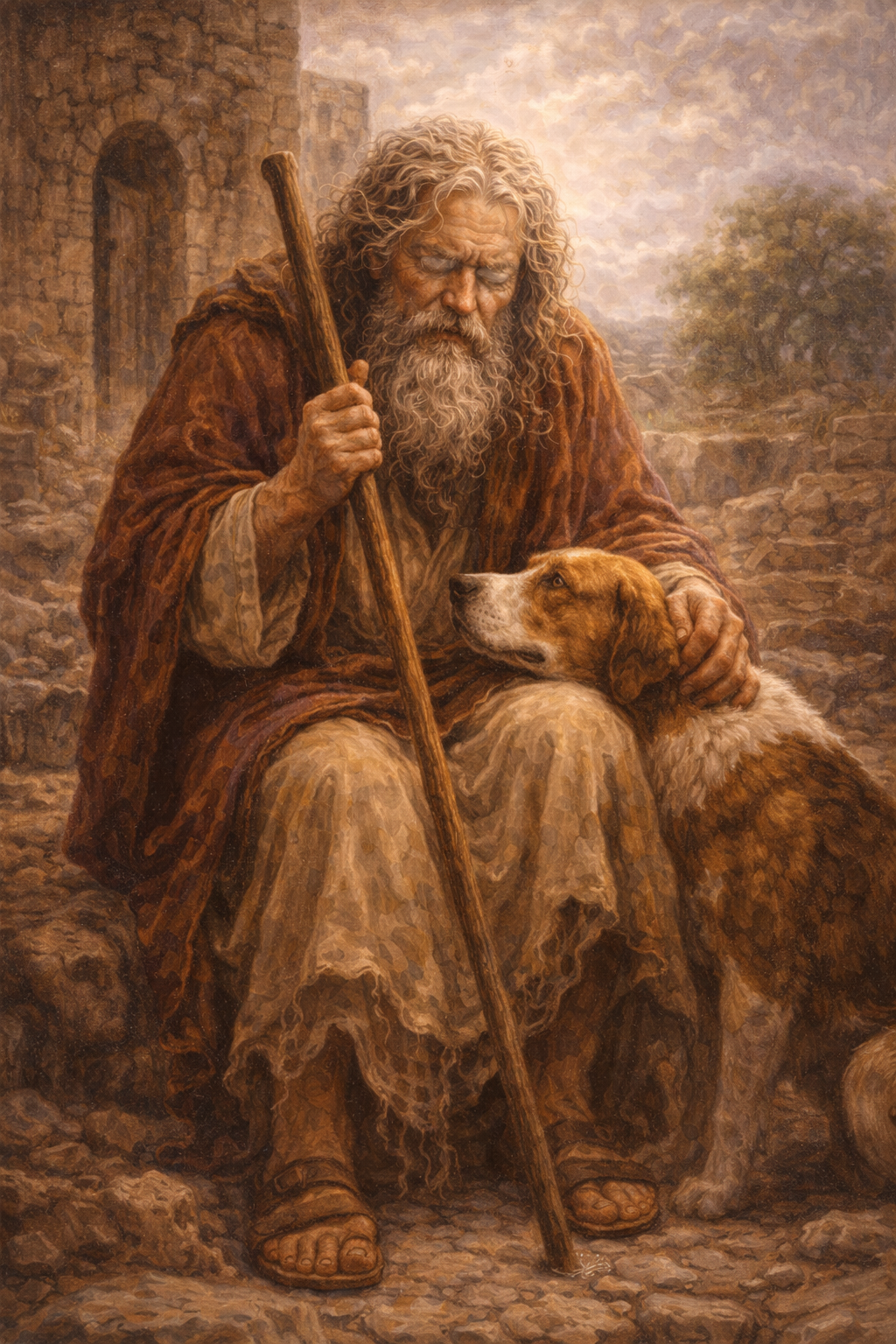
About Tobit
Tobit is the principal character of the biblical book named for him, not the documented author of a memoir. The United States Conference of Catholic Bishops describes the anonymous work as a religious novel combining Jewish piety, wisdom teaching, and folklore, probably written early in the second century BCE. Its story is set centuries earlier among Israelites deported to Assyria, but its royal sequence and travel details contain historical inconsistencies. Tobit’s inherited birth and death years are therefore removed. What follows distinguishes documented facts about the book and its ancient textual witnesses from the traditional life narrated within it.
The narrative introduces Tobit as a member of the tribe of Naphtali taken from Thisbe to Nineveh. He says that, even before exile, he traveled to Jerusalem to offer tithes and shared a third-year tithe with orphans, widows, and converts. In Nineveh he serves the Assyrian court and travels on business to Media, where he deposits money with his kinsman Gabael. The chapter’s notes identify Thisbe as an unknown Galilean town and openly flag problems in the succession of Assyrian rulers. These details create a vivid diaspora setting; they do not establish a recoverable personal chronology.
Tobit’s defining public action is care for people denied burial. He gives food to the hungry and clothing to the naked, then secretly retrieves the bodies of fellow Israelites killed under royal persecution. An informer exposes him. Tobit flees, and the crown confiscates his property, leaving Anna and their son Tobiah as his remaining household. When his relative Ahiqar later intercedes, Tobit returns. The story honors courage without pretending he felt no fear: Tobit explicitly says he was afraid and fled when his life was threatened. His service is costly, practical, and constrained by violent power.
A later burial brings another reversal. During a festival meal Tobit leaves the table to bury a murdered Israelite. He sleeps outdoors because the body has made him ritually unclean, and bird droppings fall into his eyes. White films form and he becomes blind despite treatment. Anna then supports the household by weaving. When she receives a young goat as a bonus, Tobit suspects theft and demands its return. Anna rebukes him sharply: his charitable deeds have not prevented him from distrusting the person sustaining him. The exchange keeps the hero morally accountable and gives Anna an independent voice rather than making her a silent helper.
Humiliated and exhausted, Tobit prays for death. At the same time, in distant Media, Sarah also asks to die after abuse from a servant and the deaths of seven husbands attributed by the tale to the demon Asmodeus. The narrative joins their prayers and says Raphael is sent to heal them both. This framework should not be read as diagnosis, nor should Sarah’s suffering be reduced to a device for Tobit’s recovery. It places two desperate households within one providential story while allowing both sufferers to speak grief. The demon, angelic mission, and simultaneous prayer belong to the book’s theological narrative.
Remembering the deposit in Media, Tobit prepares Tobiah for the journey. His farewell instruction ranges beyond money: honor and bury parents, avoid injustice, pay workers promptly, share bread with the hungry, seek wise counsel, and give alms according to one’s means. Some advice reflects the patriarchal assumptions of the story’s world, including control over marriage and family continuity. Yet the central ethical pattern is concrete responsibility rather than vague respectability. Tobit asks Tobiah to practice toward others what he dislikes himself, linking domestic faithfulness, economic fairness, and generosity.
Raphael appears disguised as Azariah and agrees to guide Tobiah. Tobit questions him closely about family and wages before entrusting his son to the stranger. The journey leads through the Tigris episode and onward to Ecbatana, where Tobiah marries Sarah. Following Raphael’s instruction, Tobiah uses parts of a fish in the story’s ritualized defeat of Asmodeus. Sarah and Tobiah pray together rather than treating marriage as conquest. The account nevertheless operates within kinship and inheritance arrangements in which male relatives negotiate much of Sarah’s future. Its happy outcome should not erase the gendered vulnerability established earlier.
When the travelers return to Nineveh, Anna watches the road and runs to meet her son. Tobiah applies the fish gall to Tobit’s eyes; the films peel away, and the father embraces him in joy. The remedy and cure are narrated signs, not medical guidance. Tobit welcomes Sarah and celebrates the restored household. He then tries to pay Azariah generously. Raphael discloses that he is an angel, says he presented the family’s prayers, and directs praise toward God. Tobit’s response is a hymn that looks beyond private recovery toward Jerusalem’s renewal and the gathering of scattered peoples.
The epilogue assigns Tobit an extended lifespan, repeats warnings that Nineveh will fall, and reports his death and burial there. The USCCB notes that the chapter’s chronology cannot be reconciled with known Assyrian history. Those numbers are not converted into calendar dates for this record. Tobit remains significant as a literary figure whose virtues are expressed through action: burying abandoned bodies despite danger, giving material aid, teaching fair treatment of workers, accepting correction from Anna, and receiving restoration with gratitude. His story also warns that religious zeal can coexist with suspicion and that a righteous household still contains grief, conflict, dependence, and the need to learn.
Wondering how to weigh the stories and sources? Learn how to read a saint biography.