Biography
Verena of Zurzach
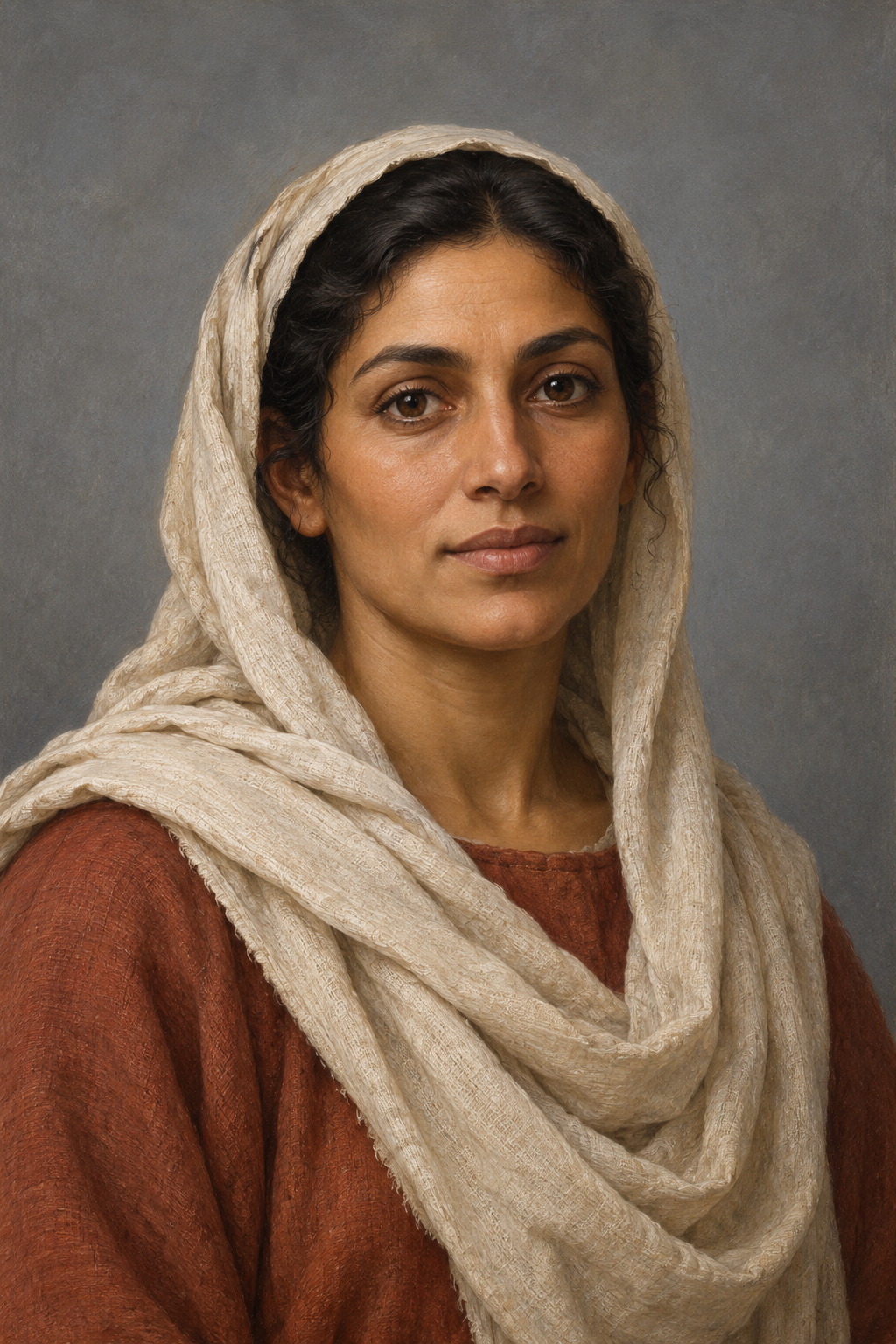
About Verena of Zurzach
Verena is remembered at Zurzach as an early Christian woman whose devotion expressed itself in care for others. Her detailed life comes to us through medieval narratives. The earliest presents a woman of Theban origin who visited martyrs’ graves in Milan and Saint-Maurice, lived near Solothurn, and died at Zurzach. These journeys belong to the narrative tradition rather than to a contemporary biography.
A later account describes her as a priest’s housekeeper and a benefactor of the people of Zurzach. The familiar comb and jug in her images recall this tradition of practical care. Her story was enlarged through accounts of miracles and pilgrimage, making it necessary to distinguish the remembered saint from the details added by later writers.
The place of her veneration has its own history. A memorial church stood beside the Roman road and cemetery in the fifth century. The Historical Dictionary of Switzerland treats this as evidence that the devotion may reach back to late antiquity. Pilgrimage is documented from the ninth or tenth century, and the community serving the shrine developed into a monastery and later a collegiate foundation.
The parish at Zurzach cautions that the medieval Lives were written with particular religious purposes. They are not biographies in the modern sense, and the historical details cannot all be recovered. This uncertainty remains part of a responsible account of Verena, even as her feast on September 1 continues to give the community a shared day of remembrance.
Her place in the wider church received formal recognition in 2003. Following Bishop Kurt Koch’s request, the Congregation for Divine Worship confirmed her election as a patron of the Diocese of Basel. The decree recognizes an already longstanding devotion; it is a confirmation of patronage, not a claim that her veneration began that year.
Wondering how to weigh the stories and sources? Learn how to read a saint biography.