Biography
Victor of Tabennese
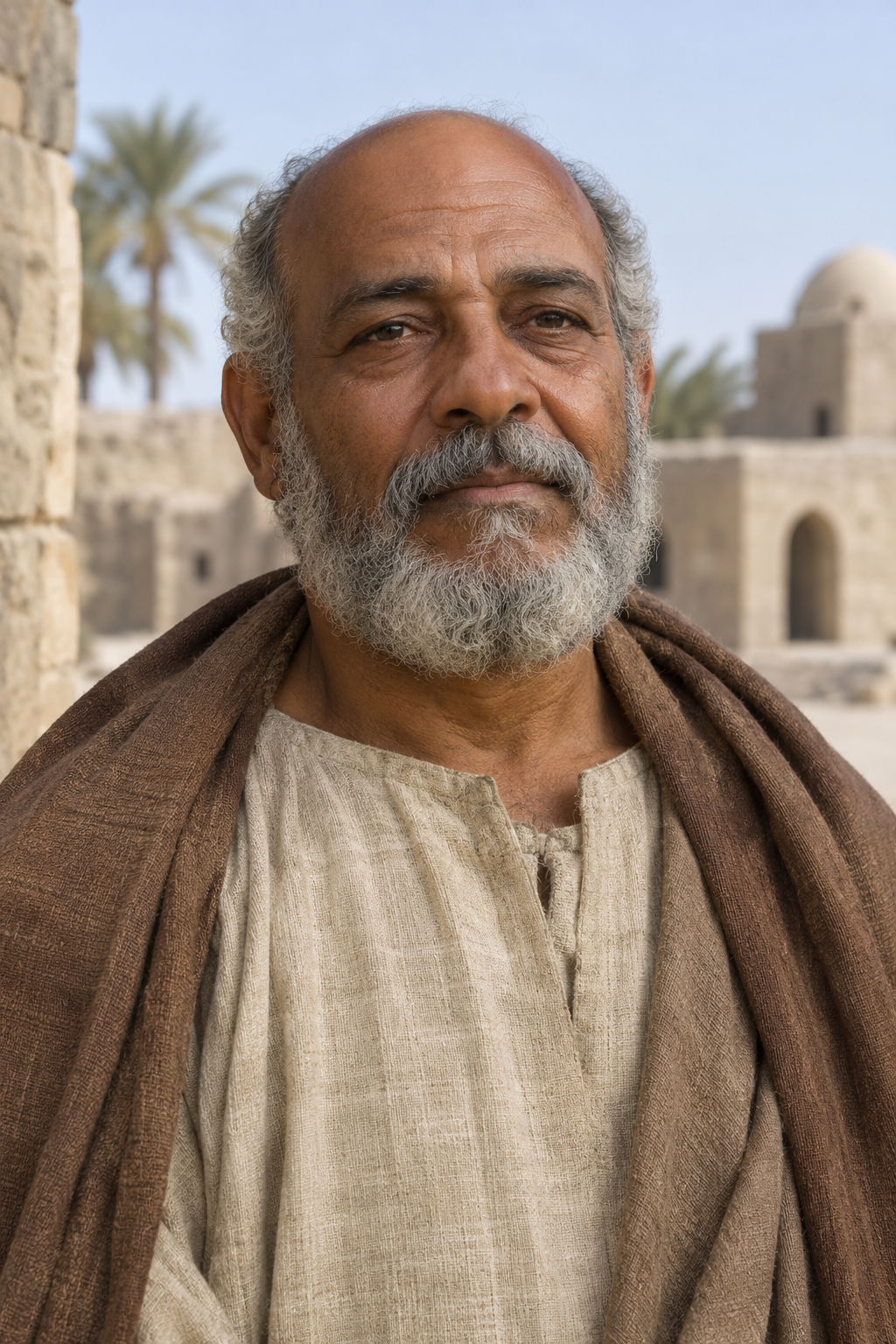
About Victor of Tabennese
Victor is remembered in Coptic sources as a superior of the Pachomian monastery at Pbow, also called Pboou. The Coptic Encyclopedia associates him with the federation’s leadership and with Shenoute and Cyril of Alexandria around the Council of Ephesus in 431. The sources do not preserve a secure birth date, death date, or continuous account of his life.
A Coptic narrative attached to the Acts of Ephesus gives Victor a dramatic role in the events surrounding the council. In that story, Cyril summons him from Pbow to Alexandria, then sends him onward to Constantinople before the council opens. The narrative says Victor arrived in May 431 and met Emperor Theodosius II. Anthony Alcock’s translation presents this episode from the Coptic text, while emphasizing that its authorship and date are unknown.
The story portrays Victor urging the emperor to protect the bishops’ deliberations from secular interference. It depicts him objecting when a draft imperial letter gave Nestorius precedence alongside Cyril, arguing that such wording would make the accused bishop appear to judge the council. The emperor in the narrative accepts Victor’s advice and orders the opening altered. These scenes belong to the Coptic Acts’ literary account and cannot be treated as an independently verified transcript of private conversations.
In its later episodes, the Coptic account places Victor in discussions about the delayed arrival of John of Antioch and the condemnation of Nestorius. It describes him asking Theodosius to wait for signed records from both sides before deciding what had happened at Ephesus. The story presents him as a monk using access to court to press for ecclesiastical procedure and the protection of the Egyptian delegation. Those episodes illuminate the image of a monk as an adviser in later Egyptian memory more securely than they establish Victor’s actual actions.
Modern scholarship sharply distinguishes that narrative from the historical evidence. Price describes the Victor narrative as fictional, while noting that the Coptic Acts also preserve authentic documents and reflect Egyptian political and religious convictions after Chalcedon. Robin Whelan likewise calls the alleged memorandum from Cyril to Victor a probable later invention, woven from genuine documentary language. The Acts were likely compiled in the second half of the fifth century, decades after the council, and survive only in later fragmentary manuscripts.
A historical monk named Victor is nevertheless attested in connection with Cyril and Ephesus. Alcock cites Cyril’s account of a monk Victor who arrived at Ephesus, suffered slanderous accusations, and was reconciled with the bishops. That evidence supports a real Victor in the circle around the council, but it does not independently confirm the Pbow mission to Constantinople or the speeches supplied by the later Coptic narrative. The name may also have been confused with a different Victor of Alexandria.
The Coptic Acts therefore preserve two things at once: a limited historical trace of a monk Victor and a later narrative that elevated an Egyptian monastic leader into a mediator at a pivotal council. The second tradition helped express how Egyptian Christians remembered the authority of monks and their relationship with emperors after theological divisions sharpened. Victor’s commemoration belongs to that history of memory, while the exact extent of his own role at Ephesus remains uncertain.
Wondering how to weigh the stories and sources? Learn how to read a saint biography.