Biography
Zdislava Berka
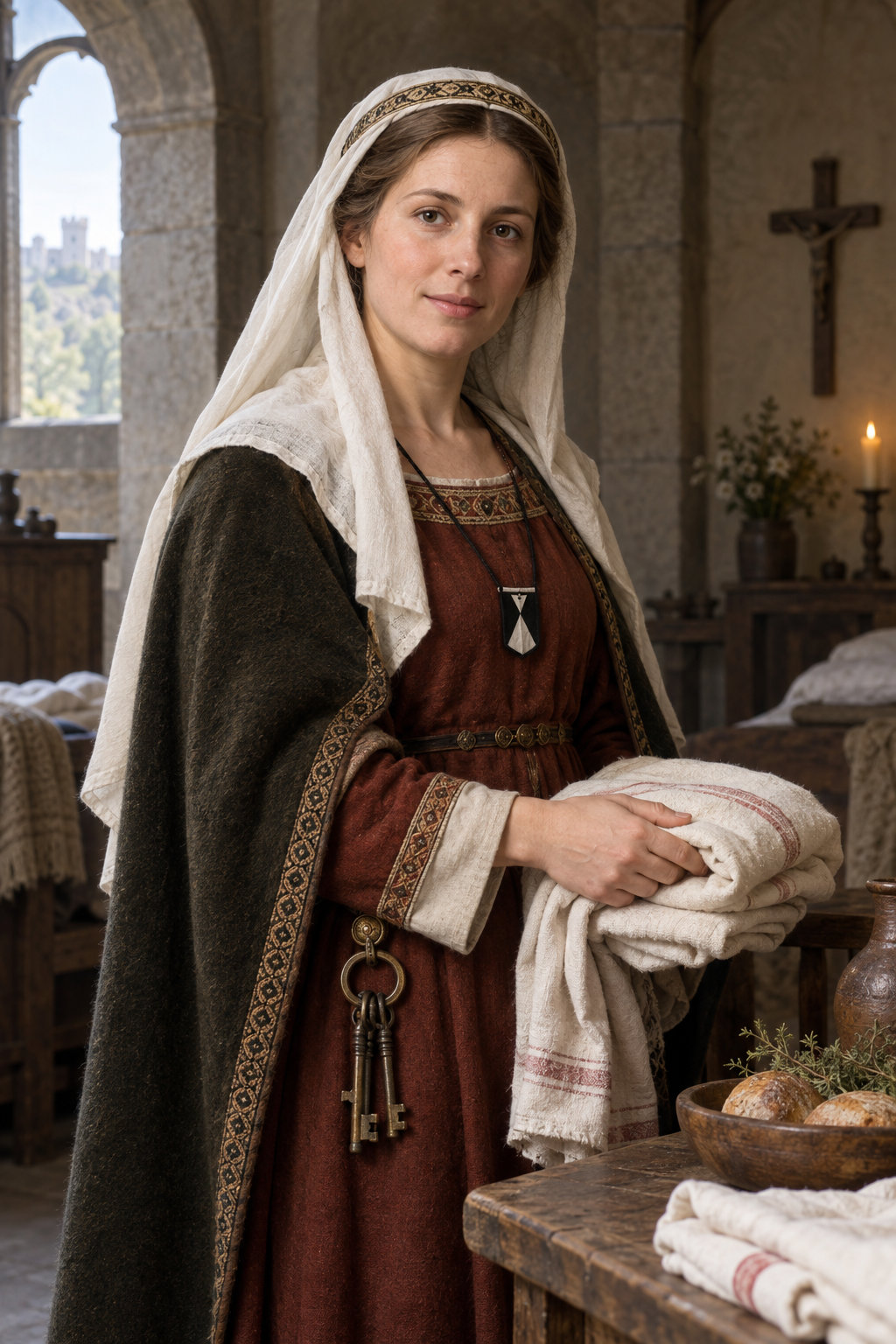
About Zdislava Berka
Zdislava Berka belongs to the thirteenth-century Czech and Moravian world. The catalog records her birthplace broadly as Moravia and leaves her birth date blank, and this draft preserves both choices because the surviving tradition does not support a precise day or year here.
That restraint is part of the page's honesty. Zdislava is not obscure in memory, but medieval memory often reaches the present through devotion, local tradition, family history, and later retelling rather than through modern civil records.
The public biography should therefore keep its confidence levels visible in the writing. It can say that she was a Moravian noblewoman associated with Lemberk, but it should avoid filling a modern-looking chronology with dates the sources do not provide.
Zdislava married Havel of Lemberk. The marriage should be central to the page, not treated as an incidental detail before charitable work begins. Her holiness is remembered inside household, marriage, motherhood, land, and local responsibility.
This matters for both prose and artwork. The catalog classifies her as a layperson, and the draft preserves that class. She should appear as a noble laywoman in medieval dress, not as a Dominican sister or cloistered nun.
The Dominican connection still belongs in the story. Czech and ecclesial memory associate Zdislava with Dominican spirituality and charity, but that association should be shown with a restrained cue rather than a false habit or invented office.
A small black-and-white devotional token, book, or chapel detail can suggest the Dominican relationship. The page should not make the visual shortcut of turning every Dominican-associated lay saint into a religious.
Zdislava's charitable memory centers on care for poor and sick people. The page should describe this care concretely and respectfully: linens, bread, medicine, open doors, and household organization can speak more clearly than scenes of crowded misery.
Poor and sick people should never be used as decoration. The public text should honor them as neighbors who received care, while the portrait can place Zdislava in a quiet hospice or household setting with the tools of service.
Local Lemberk memory gives the page a useful place-language. Castle, chapel, household rooms, and nearby charitable service help readers locate the witness without pretending that every architectural detail is directly recoverable from the thirteenth century.
The biography should not be overbuilt around miracles. If later tradition connects healings or extraordinary charity with Zdislava, the page can name the tradition carefully, but the slow-vetted draft does not need miracle claims to make her life intelligible.
Her strongest witness is already clear: rank and household authority became tools of mercy. In a feudal world where status could separate people, Zdislava's memory presents status placed at the service of vulnerable neighbors.
That point also keeps the biography from becoming only a noble-household story. The Lemberk setting matters because it shows where responsibility was exercised; it does not reduce her holiness to family rank, property, or regional pride.
The existing catalog records her death only as 1252 and leaves the death place blank. This draft keeps the death year and blank field rather than upgrading them from contextual memory alone.
The blank field should be explained because readers may see Lemberk throughout the page. Lemberk is a strong setting for her life and later memory, while the structured death place waits for explicit final evidence.
The Dicastery profile records her among the canonized saints and supports the profile's official Catholic identity. The same profile gives the existing Roman Catholic feast day as January 1, so the draft preserves `01-01`.
That feast entry should still be flagged for later jurisdictional review. Calendars, local cults, and modern listings may present Zdislava differently, and a final sealed packet should not claim more than the exact source supports.
Zdislava was canonized in 1995. That late formal recognition should be concise in the page, because the more important narrative is the long memory of a medieval laywoman whose charity stayed alive in Czech Christian imagination.
Her canonization also helps readers understand that the page is not merely a regional heritage profile. The local setting and Catholic recognition belong together: a remembered noblewoman of Lemberk became a recognized saint of the church.
The final article should present Zdislava as a married lay saint whose mercy was practical, household-shaped, and socially responsible. It should avoid a romantic castle tale, a generic miracle page, or a costume-driven Dominican portrait.
Her relevance is concrete. She shows that family standing, property, and local authority can become instruments of shelter rather than self-importance, and that lay holiness can be public without ceasing to be domestic.
Artwork should show a thirteenth-century Moravian or Bohemian noblewoman in modest dress and veil, with keys, folded linens, bread or herbs, and a quiet Lemberk-like charitable household or castle-hospice setting. Avoid crowns, armor, monastic habit, halos, modern medical objects, crowded suffering, rendered text, and exact-likeness claims.
The badge crop should keep her face, veil, keys, linens, and a hint of the charitable room. The small image should read as lay noble charity before it reads as castle scenery.
Wondering how to weigh the stories and sources? Learn how to read a saint biography.