Christian Dioramas and Nativities: History, Art, and Devotion
Explore Saints · 6 min read · Updated
Why Christians build sacred scenes, from the Nativity at Greccio to sculpted chapels, and how their beauty can support learning, prayer, and veneration.
A small scene that invites a closer look
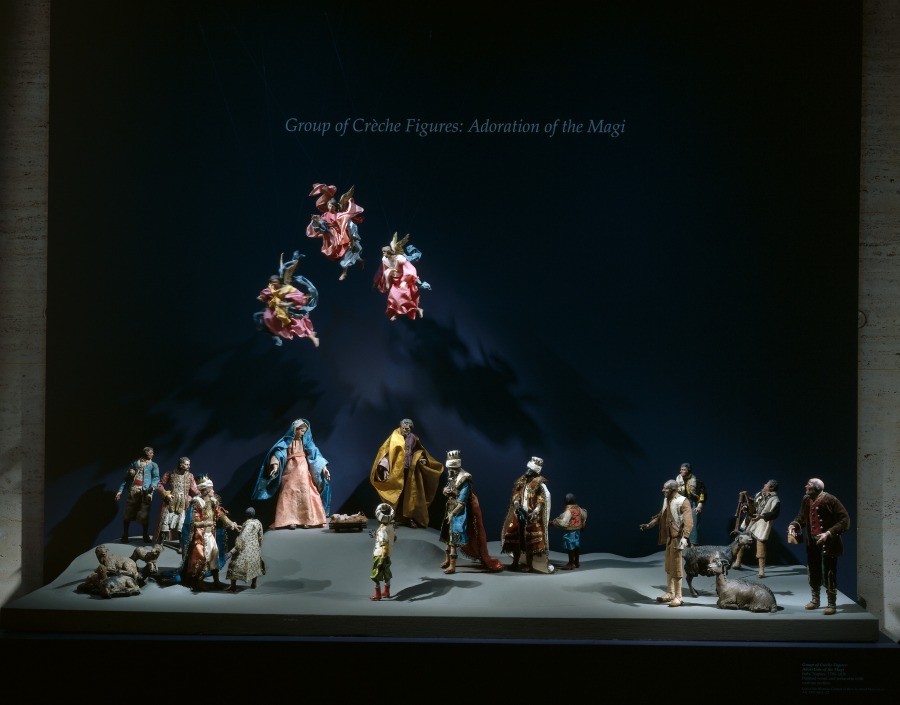
A figure beside a manger can make someone pause longer than a paragraph on a page. Where is the child looking? Why is a shepherd kneeling? What brings these people together? Christian dioramas give such questions a visible setting: figures, buildings, and landscape arranged to tell a sacred story. A Nativity, also called a crèche or presepe, centers on the birth of Jesus. Here, “diorama” is a broad descriptive term for a constructed scene, rather than a claim that every older devotional work belonged to a single artistic genre.
These scenes can be enjoyed as craftsmanship, used to explain a Bible passage, or approached in prayer. Those purposes can meet in the same work. Catholic teaching describes sacred images as companions to the scriptural word, helping believers contemplate what the Gospel proclaims. That gives a Christian scene a purpose beyond filling an empty shelf.
Sources: Catechism 1159–1162: Holy images · The Metropolitan Museum of Art: Christmas Tree and Neapolitan Baroque Crèche
Greccio: making the Christmas story tangible
Images of Jesus’ birth predate the familiar household Nativity set: the Cleveland Museum of Art traces such representations to Christianity’s early centuries. A decisive moment in the history of the Christmas crèche came at Greccio, Italy, in 1223. In Admirabile signum, Pope Francis recounts how Saint Francis of Assisi arranged a manger with hay, an ox, and a donkey for a Christmas celebration. Mass was celebrated there. The letter explicitly notes that there were no statues: the gathering itself brought the scene to life.
Greccio should therefore not be imagined as the unveiling of a modern boxed Nativity set. Its importance lies in the invitation to encounter the poverty and nearness of Christ through a tangible setting. The same letter encourages families to continue making crèches and values the creativity involved. A handmade shelter and a few figures can serve that purpose without an elaborate installation.
Sources: Pope Francis, Admirabile signum, sections 1–3 · Cleveland Museum of Art: Early representations of the Nativity
From sculpted chapels to miniature worlds
Christian storytelling in three dimensions also extends beyond Christmas. At Varallo in northern Italy, the Sacred Mountain developed from a project to evoke places associated with Christ’s life. Its official history describes painted and sculpted imagery from 1486 and the early sixteenth-century contribution of Gaudenzio Ferrari, whose life-size figures occupied the chapels. Visitors encountered a sequence of sacred scenes within a landscape.
UNESCO recognizes the Sacri Monti of Piedmont and Lombardy for the relationship between devotional meaning, architecture, sculpture, painting, and their natural surroundings. These are chapel complexes, not tabletop miniatures, but they offer a useful comparison: a viewer is invited to attend to a story through space and bodily presence.
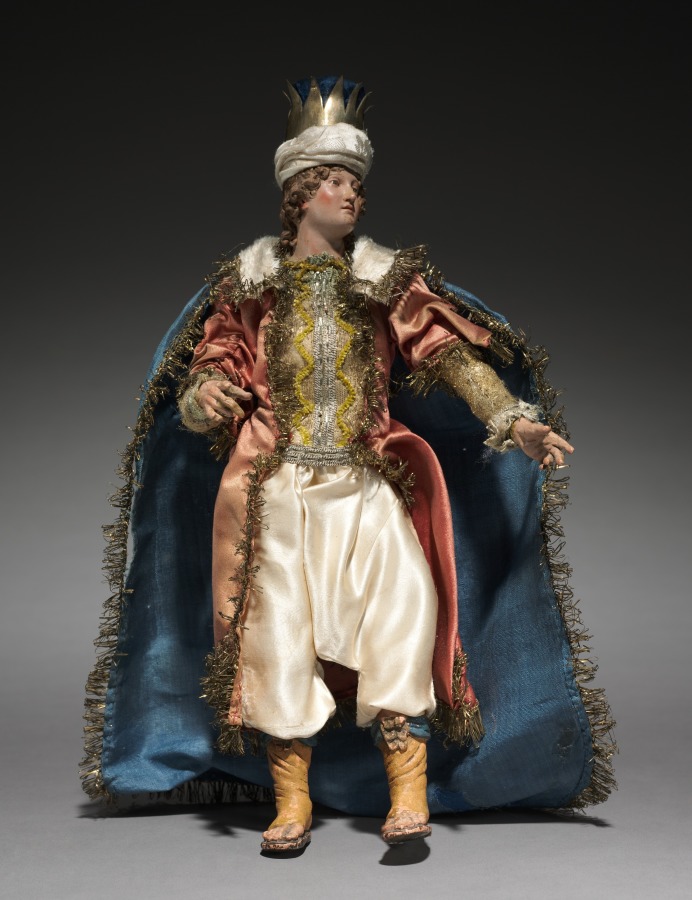
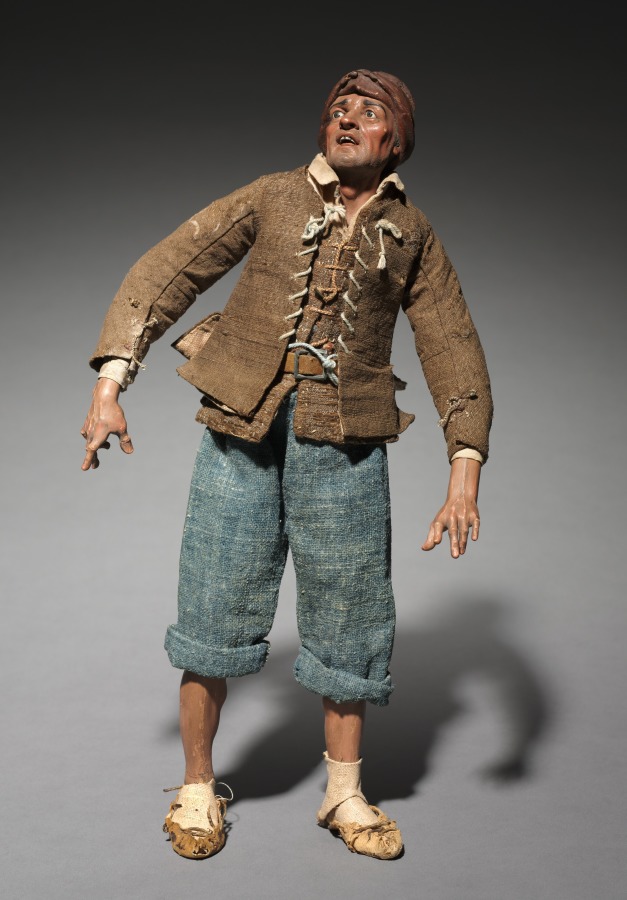
A different scale flourished in eighteenth-century Naples. The Metropolitan Museum of Art describes crèches that join the Holy Family and shepherds with the Magi’s procession, townspeople, and everyday work. The setting expands into a lively miniature world. The Cleveland Museum of Art’s figures show how painted terracotta heads and hands, cloth bodies, and contemporary local dress could make that world feel familiar.
Sources: Sacri Monti: History of the Sacro Monte of Varallo · UNESCO: Sacri Monti of Piedmont and Lombardy · The Metropolitan Museum of Art: Christmas Tree and Neapolitan Baroque Crèche · Cleveland Museum of Art: Figures from a Crèche, 1780–1830
What belongs to Scripture, and what belongs to the artist?
Luke describes Mary laying Jesus in a manger and shepherds coming to see him. Matthew tells of Magi following a star and entering a house, where they find the child with Mary and offer gifts. A familiar Nativity arrangement brings elements of these accounts together in one view. It is a devotional composition, not a photograph of a single documented moment.
That distinction helps when a scene includes a village bakery, familiar local clothing, or imagined architecture. The Neapolitan tradition openly places daily life around the sacred event. Such details can help viewers recognize their own world in the story, but they should not be presented as archaeological evidence for Bethlehem. A simple label can explain which details come from the Gospel and which are artistic choices. Beauty and historical honesty belong together.
Sources: Luke 2:1–20 (USCCB) · Matthew 2:1–12 (USCCB) · The Metropolitan Museum of Art: Christmas Tree and Neapolitan Baroque Crèche
The artistic value: learning to see relationships
Look at a Nativity as a composition before counting its accessories. The direction of a face, an outstretched hand, the distance between figures, and an opening in a wall can guide attention. A quiet group with a clear center may communicate tenderness more effectively than a crowded display. Conversely, a busy village can invite a slower search for the sacred event within ordinary life. These are choices an artist or maker can explore, rather than rules for every crèche.
The Cleveland figures offer a concrete example of several crafts working together: modeled and painted features, soft bodies, and fitted clothing. The achievement is more than making tiny objects. Materials and gestures cooperate to suggest living people. For a present-day maker, shaping a hand or painting an expression is an exercise in careful observation; for a viewer, noticing that work can deepen respect for the artist’s skill.
Sources: Cleveland Museum of Art: Figures from a Crèche, 1780–1830
Why build one? Teaching, attention, and shared memory
A scene gives a family or class something to discuss together. Read Luke’s account, then ask which figures and objects correspond to the passage. Let a child explain a shepherd’s place in the story. If a detail is an invention, say so. The aim is to make looking lead back to reading and conversation.
It can also create a place to pause. Catholic teaching connects the beauty of sacred images with contemplation and the remembrance of faith. Setting out a scene can become a deliberate occasion to read, reflect, and pray. The work need not be expensive or technically impressive to support that attention.
For a project outside Christmas, choose one clearly identified scriptural episode and give it the same care. Start with the text, decide what the scene should help someone notice, and leave space around the important action. Treat the finished model as an invitation to return to the story.
Sources: Luke 2:1–20 (USCCB) · Catechism 1159–1162: Holy images
Veneration: honoring the person represented
The devotional value needs a precise explanation. In Catholic teaching, the honor shown to a sacred image reaches the person it represents. The Catechism distinguishes that veneration from the adoration owed to God alone. Wood, clay, cloth, or resin is not itself a deity, and the material object is not the final object of prayer.
At a Nativity, a Catholic may adore Christ while looking at his image and honor Mary and Joseph as the people represented beside him. The display can help direct attention; it does not possess divine power because it is detailed, costly, or old. The Catechism grounds the legitimacy of Christian images in the Incarnation: the Son of God truly became human.
This is specifically the Catholic explanation of sacred images. A visitor can appreciate the history and craftsmanship without adopting that devotional practice. Explaining the distinction makes a display more welcoming and avoids assuming that every Christian viewer understands or uses images in the same way.
Give the scene a purpose before giving it more pieces
Before building or arranging a display, finish this sentence: “This scene will help someone notice…” The answer might be the shepherds’ response, the tenderness of a small group, or the relationship between a sacred event and daily work. Then choose the figures, setting, and amount of detail that serve that purpose.
Try the following as a practical starting point. These suggestions are an editorial application of the relationship between images, Scripture, and contemplation, rather than Church requirements for making a model.
- Choose a passage and keep it available beside the scene.
- Make the main action easy to see from the viewer’s height.
- Identify imaginative details without presenting them as historical facts.
- Offer a question for discussion or a quiet moment for prayer.
- Return to the scene after a few days: what does it help someone notice now?
Explore further
Sources: Catechism 1159–1162: Holy images