Biography
Abraham of Cyrrhus
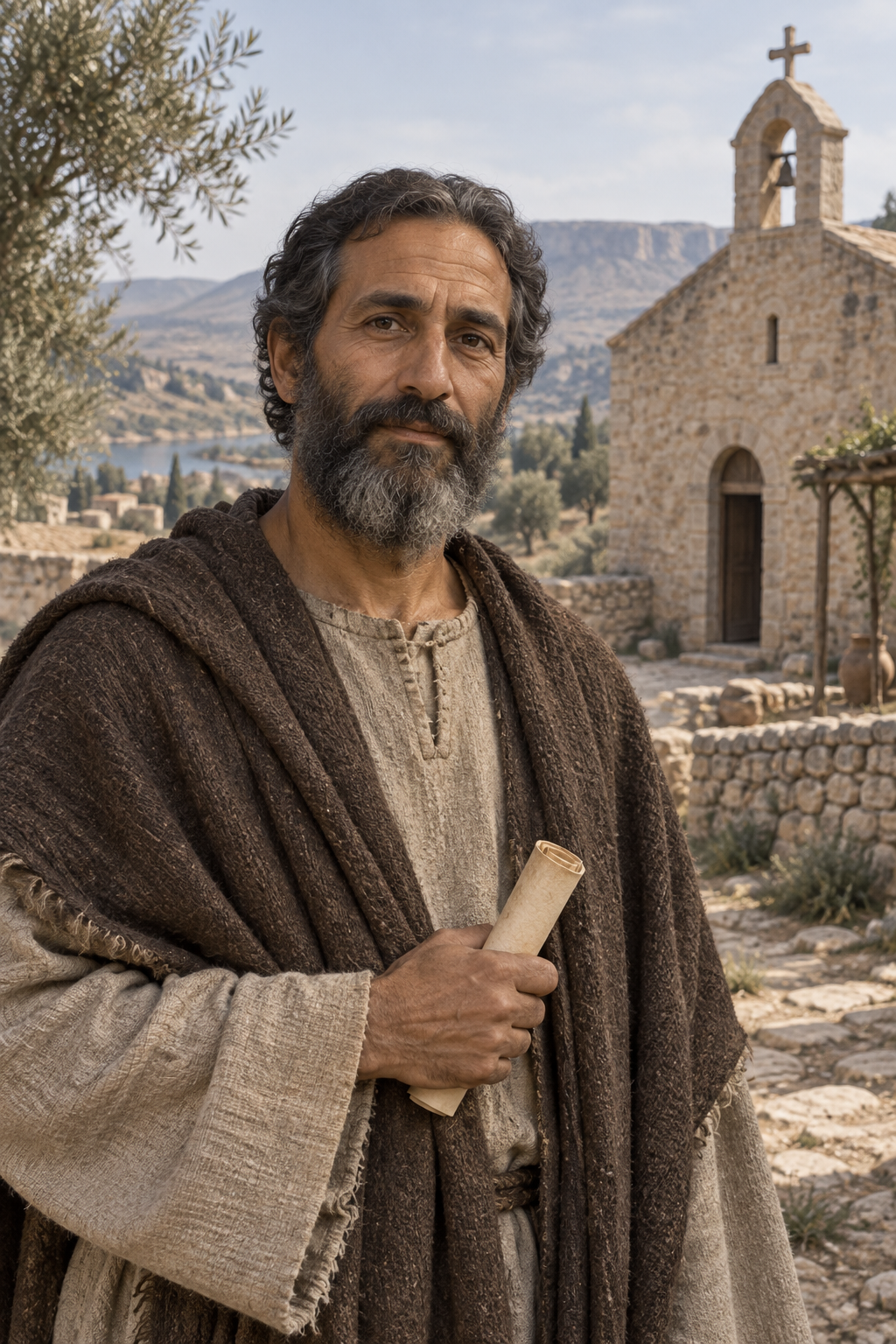
About Abraham of Cyrrhus
Abraham is known here principally through Theodoret’s Religious History, a collection of ascetic lives written by a bishop of the same Syrian region. Theodoret opens by praising Abraham for keeping his monastic discipline after he was called to ecclesiastical office. He says Abraham was born and raised in the region of Cyrrhus and developed a demanding ascetic practice. These details come through a hagiographic account, whose purpose was to present models of Christian life; descriptions of extraordinary virtue are therefore attributed to Theodoret rather than treated as independent measurement.Theodoret next places Abraham’s work far from his home region. He says Abraham went with companions to a village in Lebanon whose inhabitants had not adopted Christianity. The travelers initially entered as merchants. When villagers drove them out, tax collectors arrived and began binding and mistreating residents. Abraham asked the collectors to act leniently and offered to guarantee a payment of one hundred gold pieces. Theodoret says Abraham obtained a loan in Emesa and returned to keep his promise. The villagers then invited him to remain as their patron.Abraham agreed to stay only if the villagers built a church. Theodoret says they chose its site together and asked Abraham to serve as their priest. After three years, Abraham arranged for a companion to take his place and returned to monastic life. Theodoret then describes him receiving the episcopal see of Carrhae, a city he characterizes as largely pagan. He portrays Abraham’s ministry there as a sustained effort of teaching and pastoral care. The religious historian’s language is admiring, so this biography reports the shape of his account without treating its comparisons and miracles as neutral documentation.Theodoret describes Abraham’s ascetic routine as bishop and also portrays him as a generous host and mediator in local disputes. He recounts that the emperor summoned Abraham and honored him, and that Abraham died during the visit. His body was carried through Antioch and along the Euphrates amid public mourning. The translator’s note identifies the emperor as Theodosius II and places the visit in the 420s; the narrative itself does not provide an exact year. It is the account of a near-contemporary church writer, but its details remain a mixture of historical setting and hagiographic praise.
Wondering how to weigh the stories and sources? Learn how to read a saint biography.