Biography
Acacius of Amida
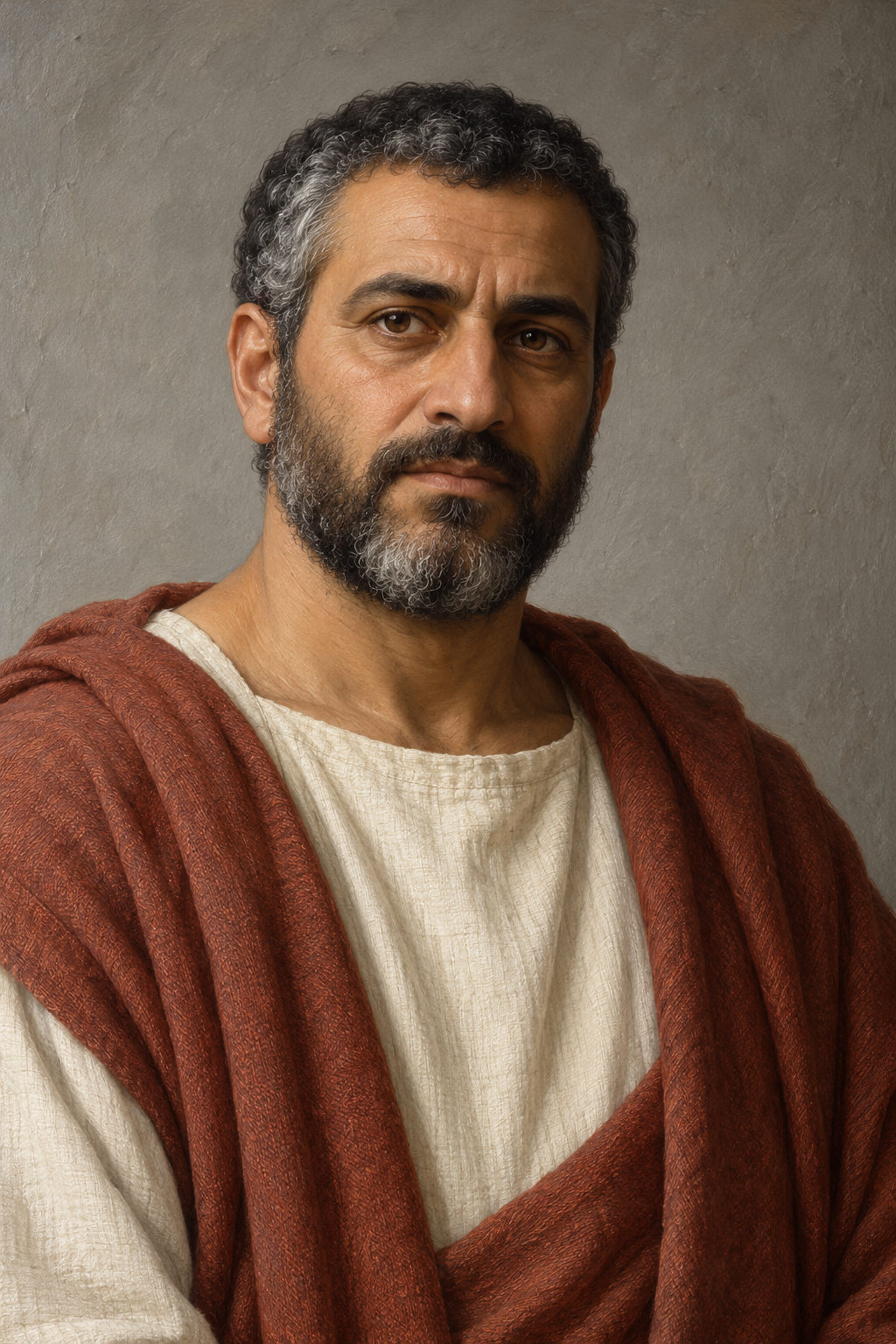
About Acacius of Amida
Acacius was a fifth-century bishop of Amida in Mesopotamia, the city now called Diyarbakır in Turkey. His commemoration centers on his response to the suffering of Persian captives held by Roman soldiers. Socrates Scholasticus tells the story in his Church History. About seven thousand Persians, he says, were facing starvation, while their captors refused to return them. Acacius gathered his clergy and proposed using the church’s gold and silver vessels to secure their release and provide food. The speech reported by the historian places the needs of living people above the retention of precious objects.
According to this account, the vessels were melted down and sold. Acacius paid the ransom, supported the captives for a time, and supplied what they needed for the journey home. Socrates adds that the Persian king admired the deed and wanted to meet the bishop, a request granted by Emperor Theodosius. The reported number and the royal response belong to this historical narrative; they are not supported here by a separate register of the released captives.
The editors of the Acta Sanctorum traced Acacius’s later commemoration in Latin calendars, including the Roman Martyrology. They also noted a limit to their evidence: although Baronius said that the Greeks commemorated him, they had not found his name in the Greek liturgical books they consulted. Their discussion distinguishes an identifiable bishop and remembered act of mercy from a fully documented history of his cult.
Nominis lists April 9 as his local Catholic feast and reproduces the Roman Martyrology’s remembrance of the bishop who sold sacred vessels to ransom Persian prisoners. This brief notice preserves the central action for which he is remembered. It does not supply a secure birth date or an exact date of death.
Wondering how to weigh the stories and sources? Learn how to read a saint biography.