Biography
Agapius, Atticus, Carterius, Styriacus, Tobias, Eudoxius, Nictopolion and companions
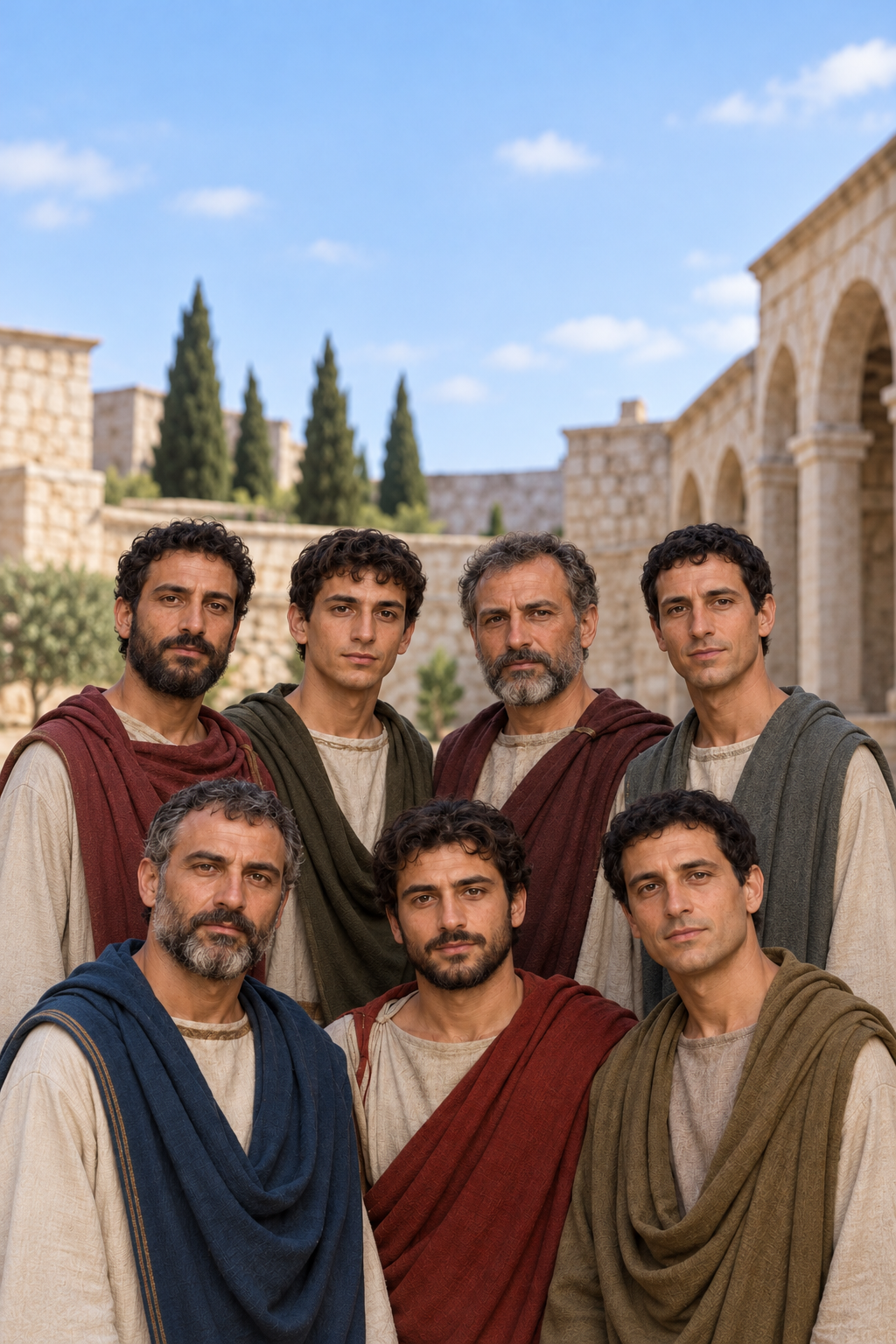
About Agapius, Atticus, Carterius, Styriacus, Tobias, Eudoxius, Nictopolion and companions
Agapius, Atticus, Carterius, Styriacus, Tobias, Eudoxius, Nictopolion and their companions are remembered as a group of Christian martyrs at Sebaste. The Orthodox Church in America lists their commemoration on 3 November, while noting November 2 in Greek usage. Its account places them under Emperor Licinius.
The Menologion of BasilII preserves a medieval account of their suffering. It names Atticus, Eudoxius and Agapius in its heading and describes soldiers at Sebaste who encouraged others to remain in Christian faith. The narrative tells of imprisonment and severe torture under Marcellus before their execution by fire. This is a later religious account, not a surviving contemporary trial record.
Carterius has a particular role in that account. Challenged about turning people away from obedience to the emperor, he answers that his purpose was to bring them to Christ, rather than to provoke a revolt. The narrative subsequently names Styriacus, Tobias and Nicopolitianus as confessing their faith. It also mentions other believers who shared their suffering. The group should therefore not be understood as having a securely established total of seven members.
The Bollandist commentary compares versions with different name lists and counts. It also questions whether Nicopolitianus is a separate personal name or a description attached to Tobias. These uncertainties concern the transmitted account; they do not justify inventing biographies for each companion.
An Arabic account published by the University of Balamand likewise associates Agapius and companions with soldiers at Sebaste in the time of Licinius. Its list includes Lucian, where other lists differ. The catalogue dates Agapius approximately to 315. The manuscript transcription preserves another form of the received tradition.
The OCA life gives 315 as the year of martyrdom. The Bollandist editor instead argues for a date around 320, while acknowledging that an exact answer cannot be supplied. The commemoration should not be treated as proof of a known death day.
Wondering how to weigh the stories and sources? Learn how to read a saint biography.