Biography
Aignan of Orleans
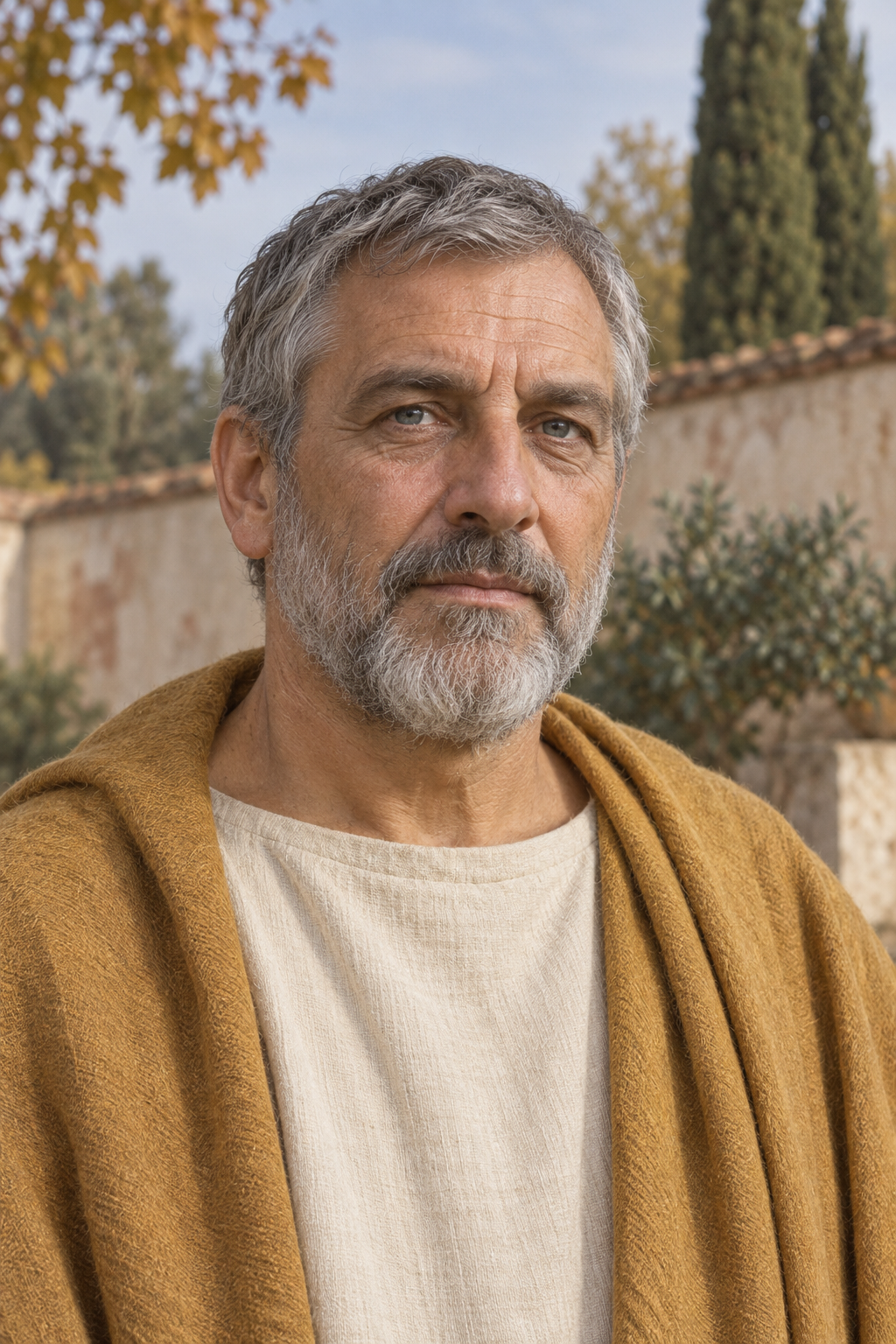
About Aignan of Orleans
Aignan, also known by the Latin name Anianus, was bishop of Orléans in the fifth century. The Catholic Church in France remembers him for the city’s deliverance during the invasion of the Huns and places his death around 453. The Diocese of Orléans honors him as patron of both the city and the diocese, with a feast on 17 November.
An early letter from Sidonius Apollinaris to Bishop Prosper preserves a memory of Aignan’s reputation. Sidonius praises him as a holy bishop and mentions the siege, assault and entry into Orléans, while distinguishing that entry from the city’s destruction. He also refers to the bishop’s celebrated prophecy as answered by heaven. The letter reports this religious interpretation without giving a complete account of Aignan’s actions.
Sidonius explains that Prosper had asked him to write a history of the war with Attila. He had begun but abandoned the undertaking and had not allowed others to hear it. The surviving letter therefore supplies an important early witness to Aignan’s remembrance, while leaving the larger narrative incomplete.
Gregory of Tours gives a fuller and later account. He describes Aignan leading the besieged people in prayer while waiting for military assistance from Aetius, whom he had previously approached at Arles. Relief comes as the city’s walls are about to fail. Gregory credits the bishop’s intercession, but his dramatic narrative should not be treated as a transcript of the siege.
The difference between these accounts matters. Sidonius describes entry into the city; Gregory presents relief arriving before the walls fall. In his 1969 study, André Loyen weighs these and other conflicting sources. He argues for Aignan’s important role in the defense, while acknowledging disagreement among historians and errors in the later Life of Aignan. His reconstruction is a scholarly argument rather than a settled account of every detail.
Aignan’s memory also became attached to a major local sanctuary. Jean-Vincent Jourd’heuil’s historical notice identifies early references to a basilica dedicated to him, including Gregory’s account of another bishop’s burial there in 587. The notice cautions that a later copy of a seventh-century testament may contain additions. This evidence supports the history of veneration without supplying a complete personal chronology.
The diocesan account describes later shrines, relics and popular observances associated with his name. These preserve the local community’s remembrance of him. His birthplace, ancestry and exact age rest on traditions that are not established by the early letter reviewed here; they are left outside the structured life record.
Wondering how to weigh the stories and sources? Learn how to read a saint biography.