Biography
Alexander of Alexandria
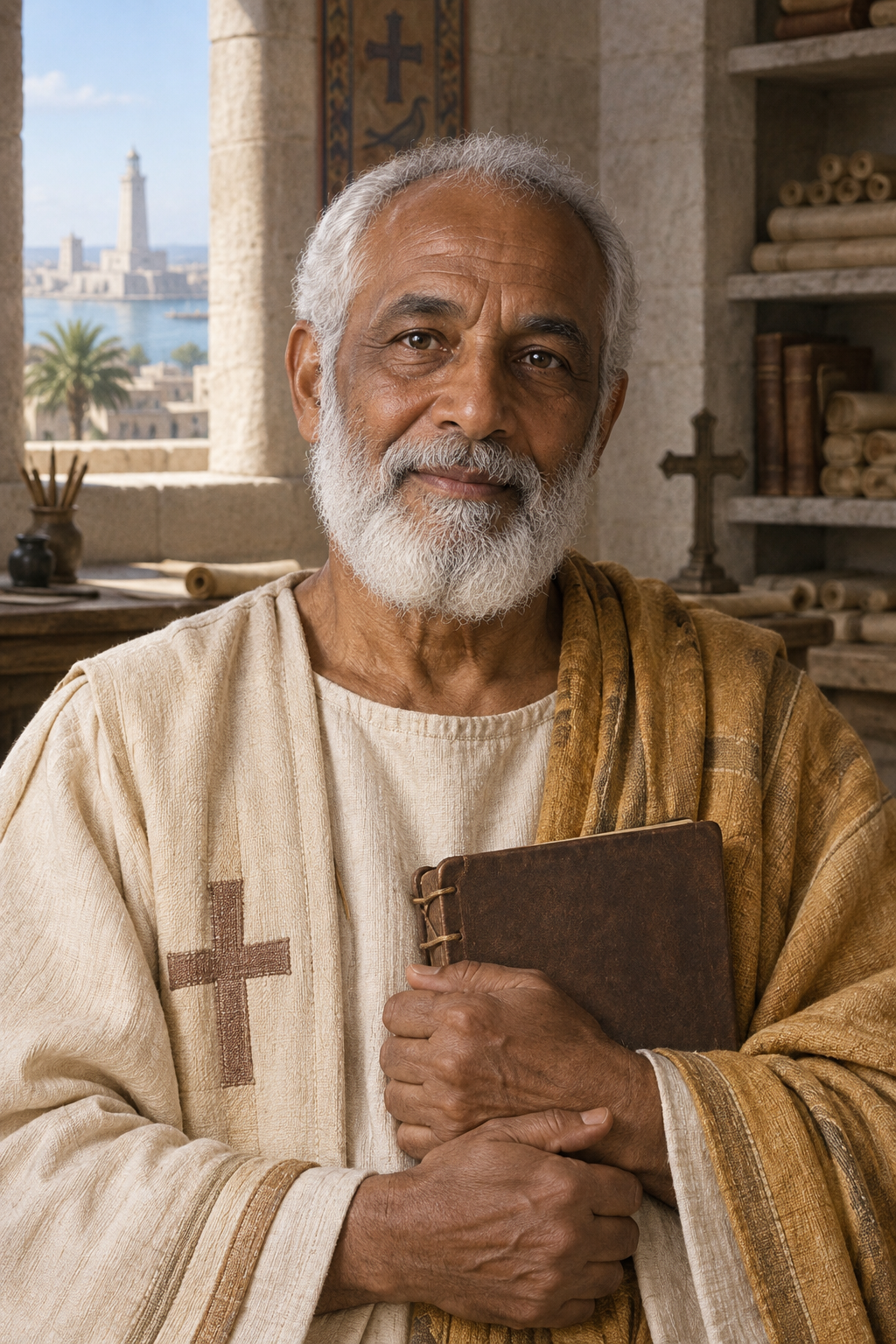
About Alexander of Alexandria
Alexander led the church of Alexandria during a dispute that would shape Christian teaching for centuries. The Greek Orthodox Patriarchate places his episcopate between 313 and 328. He gathered bishops in Egypt to examine the teaching of Arius, a controversy that soon reached beyond his own city.
The fifth-century historian Socrates describes the dispute beginning while Alexander was speaking to his clergy about the Trinity. Arius, a priest under his authority, objected to the way Alexander explained the relationship between Father and Son. Socrates traces the resulting division across Egypt and into other provinces. In his account, Alexander assembled bishops and excluded Arius and his supporters from communion. The disagreement had become a problem for communities and their leaders, not simply a private debate between two men.
Alexander's surviving correspondence shows what was at stake for him. He rejected the idea that the Son had once not existed, and argued that the Son's relationship with the Father had no beginning. He also recognized the difficulty of finding human language adequate to speak about God. He explained why particular words might mislead.
Writing helped keep churches in contact. Alexander told his fellow bishops about the dispute and asked for their support. In a letter to the clergy of Alexandria and Mareotis, he called them together to hear what he had written and to confirm their agreement. These letters reveal a bishop working through messengers, meetings, and the judgments of colleagues.
The conflict eventually drew in the emperor Constantine. The Vatican City State account describes an unsuccessful attempt at mediation, followed by the council at Nicaea in 325. Alexander attended with his deacon Athanasius. The council rejected Arius's teaching and affirmed the Son's full divinity. Alexander returned to Alexandria, where the same account remembers his efforts to repair divisions and care for the clergy.
Athanasius would continue the work after Alexander's death. The Orthodox Church in America's account remembers Alexander guiding the younger man's formation and bringing him into the clergy. It presents their journey to Nicaea as a shared undertaking and identifies Athanasius as Alexander's successor. Their connection links Alexander's episcopate with a much longer struggle over the church's confession of Christ.
Coptic tradition also remembers Alexander as a shepherd who cared for his community. Its Synaxarium honors him as the nineteenth pope of Alexandria and closes his remembrance with a brief request for his prayers. The title belongs here to the Alexandrian succession. His lasting significance rests especially in his early defense of Christ's divinity, carried forward in the council's teaching and in the ministry of Athanasius.
Wondering how to weigh the stories and sources? Learn how to read a saint biography.
Explore similar vocations
Prayers for Alexander of Alexandria
Alexander of Alexandria: sourced prayer excerpt
His prayers be with us. Amen.