Biography
Amato Ronconi
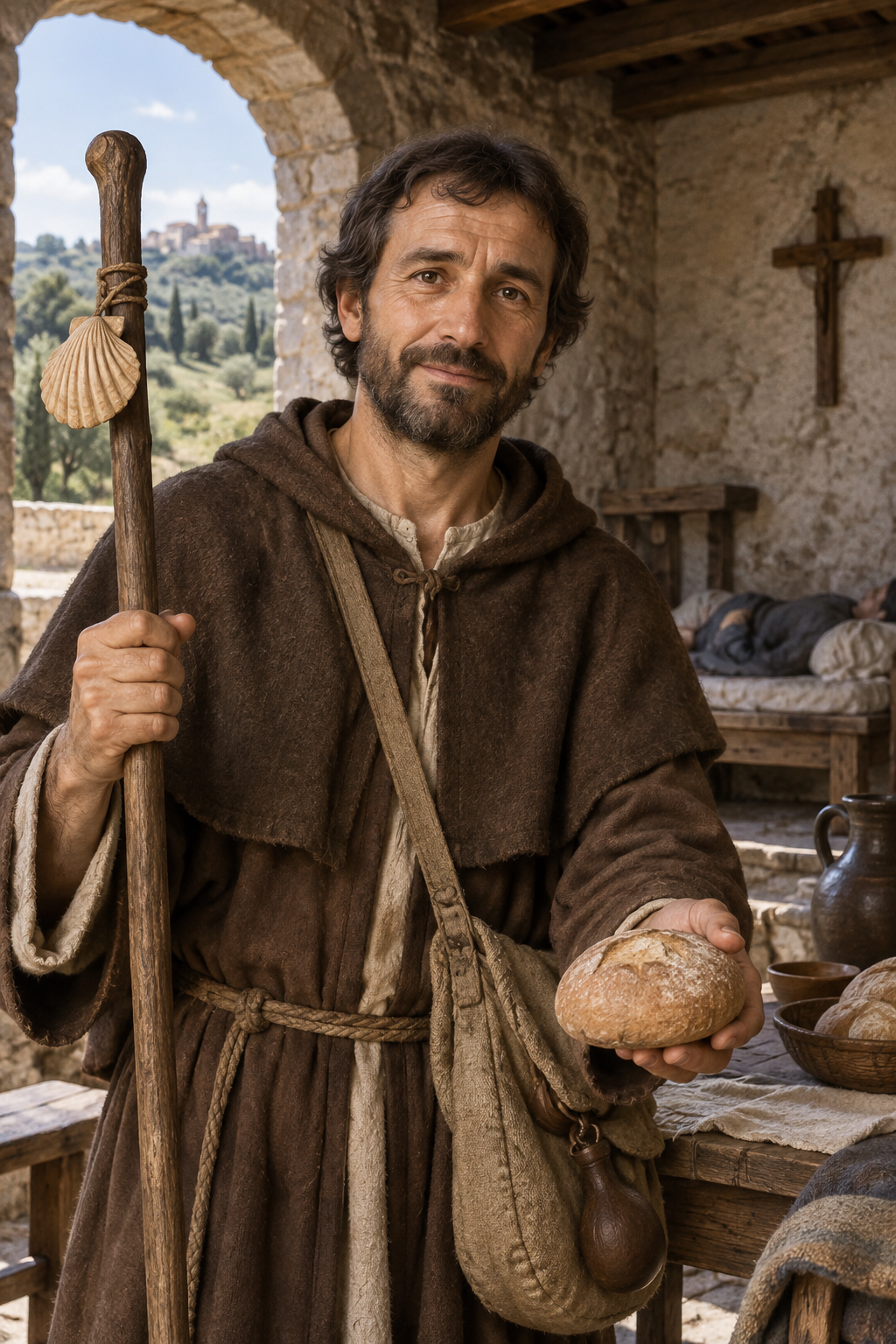
About Amato Ronconi
Amato Ronconi was born at Saludecio in the Diocese of Rimini. The current catalog stores the birth year as 1226 and leaves the death date blank, and this draft preserves that shape before final approval.
The date restraint matters. The official decree notice speaks in approximate medieval terms, and the page should not pretend that a full modern chronology is available for every stage of his life.
The same decree notice identifies Amato as a member of the Secular Franciscan Order and founder of a hospice for poor pilgrims at Saludecio. That language is important for the final review of his class.
The catalog currently classifies him as "Monk / Nun." This draft preserves that field in the importer test, but the source note flags it because the sources point more clearly toward a lay Franciscan and pilgrim-hospitality identity.
The public article should not let that taxonomy issue distort the story. Amato should appear as a humble medieval holy man of hospitality, not as a priest, bishop, or cloistered monk unless the final review deliberately supports that classification.
At the same time, the draft should not erase the catalog field before approval. The safer path is to let the test prove that `Monk / Nun` remains unchanged while the source note explains why the reviewed packet may eventually need a taxonomy correction.
This is exactly the kind of tension the slow-vetted workflow is meant to expose. A public page can be warm and readable while still refusing to hide a structured field that may not match the best current evidence.
His witness centers on welcome. A hospice for poor pilgrims was a concrete work of mercy: a place to rest, eat, recover strength, and be treated as a person rather than as a burden on the road.
That work belongs to a medieval landscape of pilgrimage. Roads, shrines, local devotion, and danger all shaped the meaning of hospitality. The page can evoke that world without inventing travel scenes beyond the sources.
The sources connect Amato with pilgrimage and with service to poor travelers. The portrait can show staff, shell, bread, water, and a simple shelter, while the prose keeps the focus on mercy rather than picturesque travel.
Bread is a good visual cue because it is concrete and humble. It suggests care without turning poor people into a spectacle or making the image depend on a crowded scene of distress.
The hospice foundation also shows organization. Amato's charity was not only a momentary gift at a door; it became a local institution remembered under his name and connected with continuing care.
That organization also keeps the page from becoming only a pilgrim portrait. The staff and shell show travel, but the hospice shows rooted responsibility: someone had to prepare space, share resources, and keep mercy available after a single visitor had passed through.
That institutional memory should be handled with care. Present-day names and current operations can be valuable, but this draft does not need modern service statistics or institutional promotion.
The Dicastery profile supports the cause context and continuing memory of his work. It can be used to explain canonization without quoting long procedural language from the cause.
The official decree notice also records the miracle examined for canonization. The public biography can mention canonization, but it should not build the whole page around the medical case.
That choice protects the shape of the life. Amato's enduring witness is not only that a miracle was recognized, but that a medieval Christian made hospitality durable for vulnerable travelers.
The catalog feast day is May 8, and this draft preserves it. The death date and death place remain blank in the structured row until final review decides whether approximate 1292 and Rimini should be stored.
The distinction between narrative context and structured fields matters here. The biography can explain that official sources use approximate death language, while the database waits for a deliberate decision about precision and approximation flags.
The blank field should be visible in the draft because sources do offer later tradition and cause-language details. Preserving the row now avoids changing a medieval record before the consolidated approval packet can review it.
Amato was canonized in 2014 with other blesseds. That recognition should be briefly included, because the article is primarily about pilgrim hospitality and the local work rooted in Saludecio.
The page should avoid miracle-heavy folklore unless each tradition is clearly classified. Medieval saints often carry later stories, and responsible prose can honor devotion without making every received image a documented event.
Amato's connection to the poor is enough. The page can speak of poor pilgrims, shelter, food, and a hospice without embellishing the scene with dramatic wonders or unsupported dialogue.
His relevance is simple and demanding. He shows that holiness can look like a door kept open, bread shared, a bed prepared, and a place made safe for someone who has nowhere else to rest.
Artwork should show a thirteenth-century Italian pilgrim or lay Franciscan in simple brown clothing, with staff, shell, bread, water jug, and a modest hospice or countryside shelter near Saludecio. Avoid priest or bishop vestments, luxurious monastery settings, halos, modern objects, crowd scenes, readable text, and exact-likeness claims.
The badge crop should keep Amato's face, staff, bread, and shelter cue visible. It should read first as pilgrim hospitality rather than generic monastic life.
Wondering how to weigh the stories and sources? Learn how to read a saint biography.