Biography
Abraham of Clermont
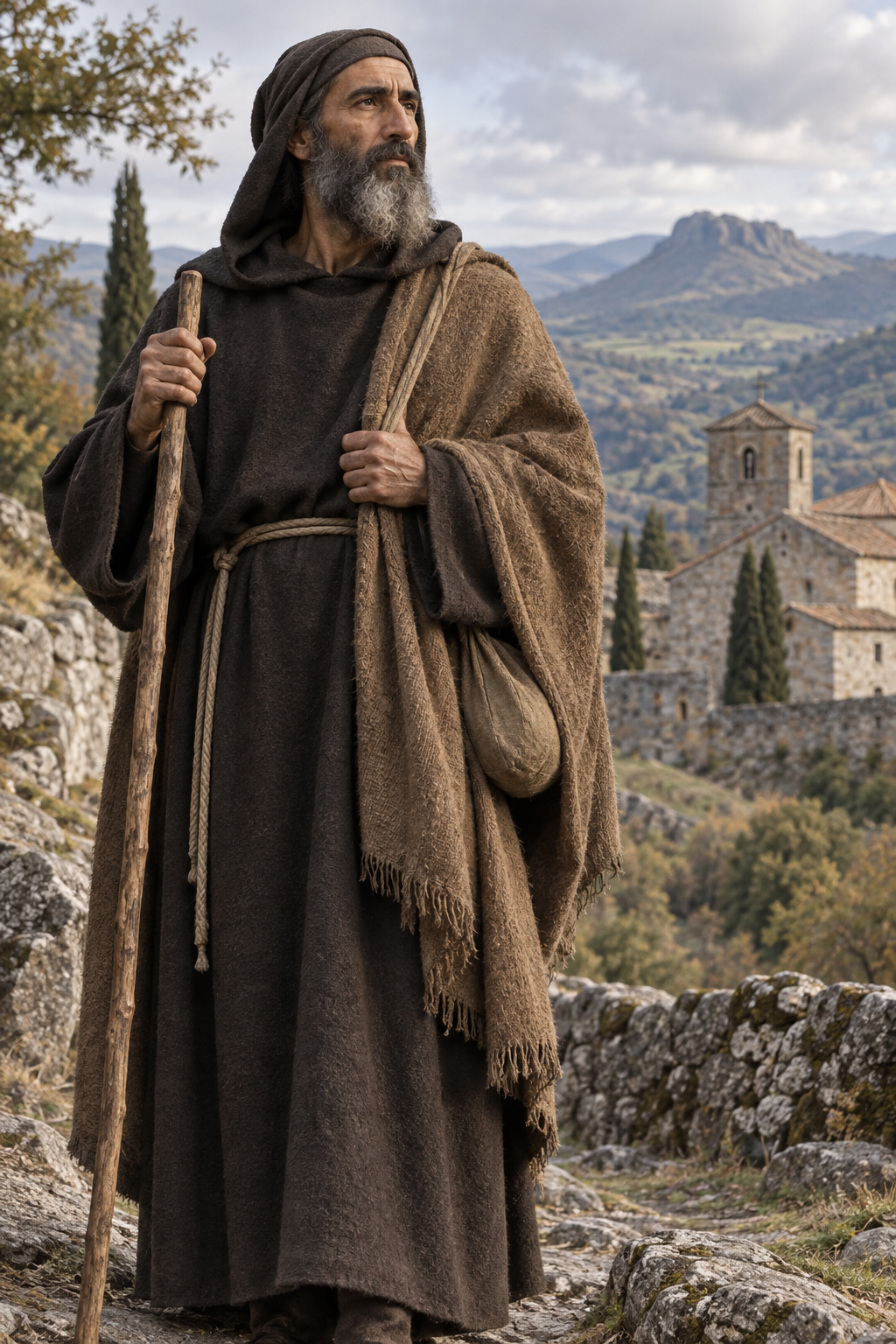
About Abraham of Clermont
Sidonius Apollinaris wrote a funeral poem for Abraham at the request of Volusianus and Count Victorius, noting that Abraham had recently died. The epitaph describes him as born by the Euphrates and says he endured five years in prison before escaping to the West. Because this is a funerary poem, its praise is read as a contemporary witness to Abraham's memory, not as a complete chronology of his life.Gregory of Tours says Abraham traveled toward Egyptian hermits, was captured during the journey, and endured imprisonment before reaching Auvergne. He then settled near the basilica of Cyriacus and established a monastery. Gregory also recounts miracles associated with Abraham, including a story of wine for a feast; these episodes are presented as Gregory's hagiographic narrative, not independently verified events.Sidonius's letter is dated 477 and calls Abraham newly departed, while a reference entry gives a broader estimated death range of about 474–481. The structured year 477 is therefore stored as approximate. The sources identify him as an abbot and connect the monastery to Auvergne, but do not justify adding a more precise birth date or a speculative birthplace beyond Sidonius's Euphrates description.Abraham is remembered as a traveler, monk, and monastic founder in late-antique Gaul. Gregory's account and Sidonius's epitaph converge on his connection with Auvergne, though they differ in genre and purpose. The account avoids treating poetic praise or hagiographic miracles as bare documentary fact.
Wondering how to weigh the stories and sources? Learn how to read a saint biography.