Biography
Ammonas of Egypt
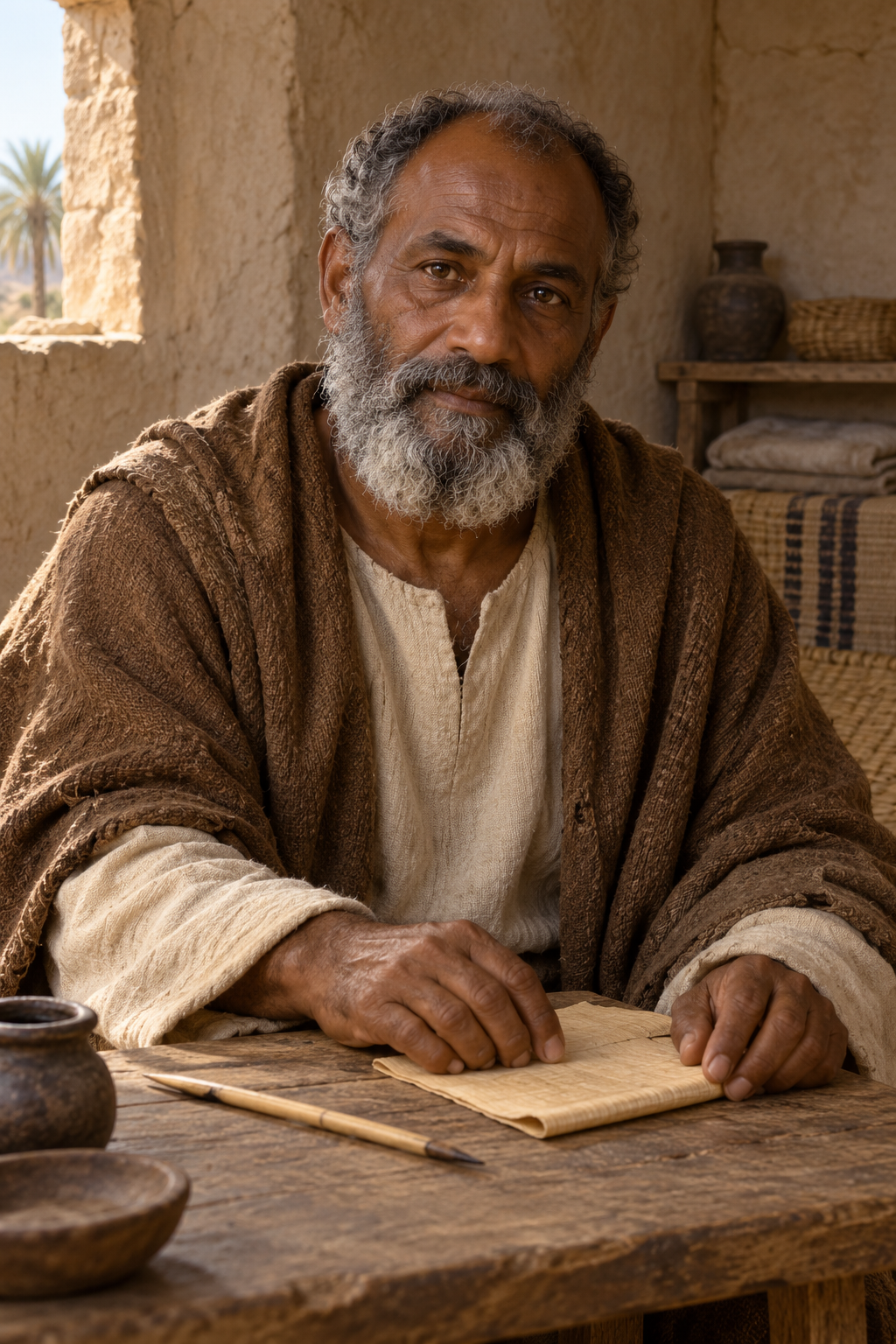
About Ammonas of Egypt
Ammonas of Egypt belonged to the fourth-century monastic world associated with Antony the Great. The historian A. I. Sidorov places his birth around 300 and his death between 380 and 390. In that reconstruction, Ammonas became Antony’s close companion during the 340s and eventually succeeded him in directing the community at Pispir.
Letters preserved under his name offer a more personal view of spiritual guidance. In Letter VII, the writer addresses a community with affection and prays that its members may share the blessing of their spiritual predecessors. He draws on Jacob’s vision of the ladder and Paul’s confidence in Christ’s love. His counsel links prayer, obedience and the hope of lasting joy.
Letter XI reveals a more difficult exchange. The writer has heard that his correspondents want to leave their community and insists that they remain until he can speak with them. He warns that an apparently worthy plan may arise from personal desire rather than God’s will. The recipients have apparently protested that their father does not understand their hardship. He answers by reaffirming his authority and asking them to wait for permission. The letter preserves both care for the community and the demanding obedience expected within this relationship.
Lucien Regnault notes that letters attributed to Ammonas became mixed with Antony’s in Coptic and Arabic tradition. The fullest collection survived in Syriac, alongside Greek and other versions. Regnault identifies the reception of the Holy Spirit as their central concern: spiritual struggle is directed toward purification and illumination, rather than endurance for its own sake.
Historian David Brakke emphasizes that the surviving Syriac version is closer to the original letters than the Greek text, despite their likely Greek composition. He argues that later Greek editing softened difficult material and made the author fit more comfortably into subsequent monastic teaching.
Brakke cautions against automatically identifying their author with the bishop named Ammonas in the Sayings of the Desert Fathers. He points out that the name was common and that stories about monks do not always supply reliable individual biographies. The traditional account of an ascetic who became a bishop therefore should not be treated as a securely documented appointment for the letter writer.
Sidorov likewise marks the proposed episcopal seat at Oxyrhynchus as uncertain. His account also warns that the authenticity of some works attributed to Ammonas is difficult to establish.
The Catholic calendar Nominis commemorates Ammonas locally on January 26, remembering Antony’s disciple as an ascetic and bishop. Its notice highlights the letters as witnesses to early monastic spirituality.
Wondering how to weigh the stories and sources? Learn how to read a saint biography.