Biography
Anastasia of Sirmium
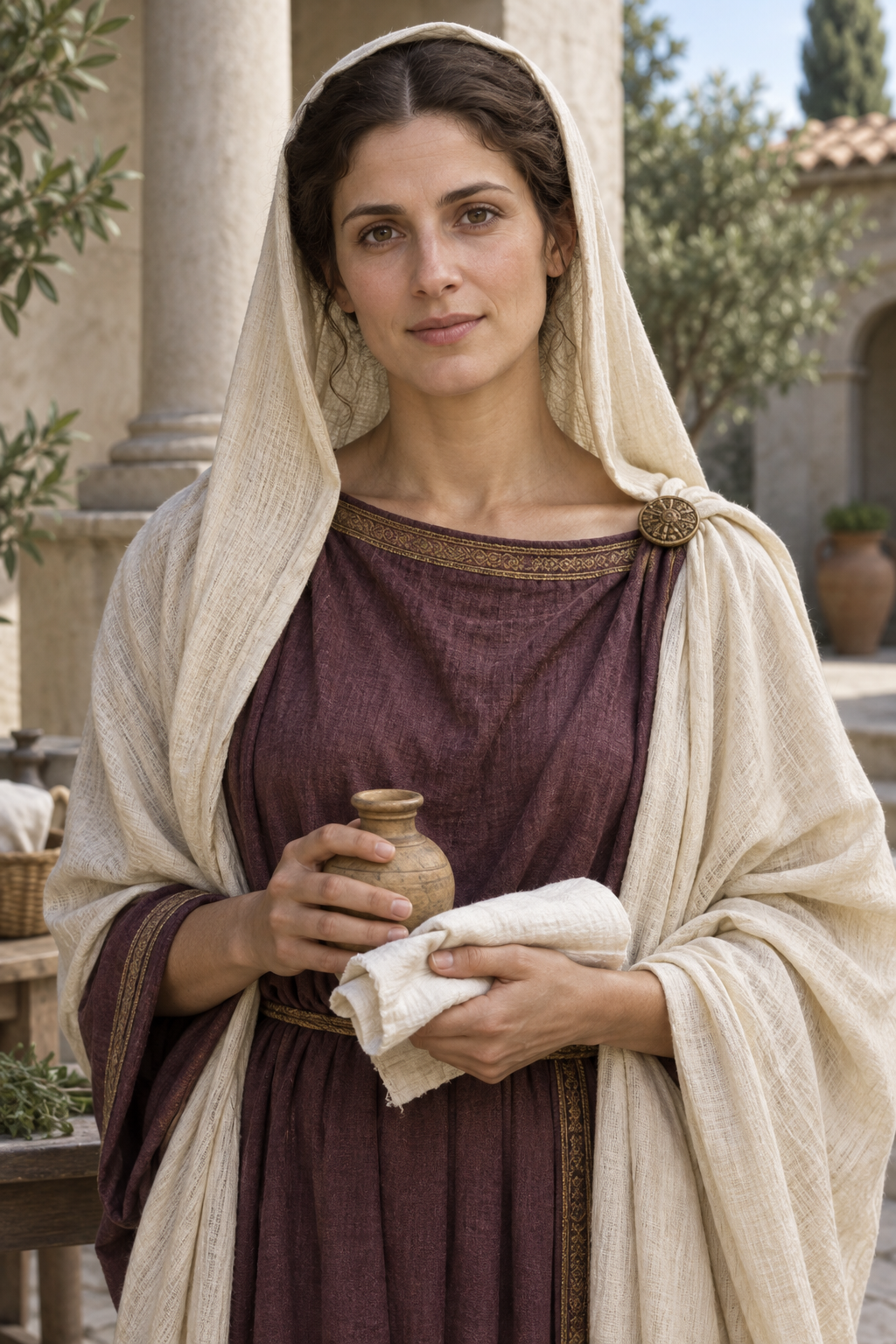
About Anastasia of Sirmium
Anastasia is remembered as a Christian martyr of Sirmium. The familiar story of a Roman noblewoman belongs to later legend, not a contemporary record of her life.
Orthodox tradition describes Anastasia visiting imprisoned Christians, tending wounds, and funding their care. Her husband confines her; after his death, she resumes this work with Theodote. These episodes belong to the devotional narrative, not independently established events. That tradition places her martyrdom around 304; its chronology remains uncertain.
The Martyrdom combines Anastasia's story with those of other saints. Oxford dates this cycle to the fifth or sixth century, long after the persecutions it describes.
Kirsch reports the transfer of her relics to Constantinople during Gennadius's patriarchate, between 458 and 471. Her name entered the Roman Canon near the end of the fifth century.
In Rome, the church bearing her name stood beside the Palatine, near the Circus Maximus. Its own historical account acknowledges uncertainty about the original dedication. The building later became associated with Anastasia of Sirmium and with the pope's Christmas Mass at dawn. That association concerns the history of worship; it does not establish that the martyr herself lived in Rome.
Her commemorations retain distinct settings. The Roman Martyrology lists her on December 25 as a martyr of Sirmium. This is a martyrology entry, not a claim that Christmas is displaced by a universal memorial of Anastasia.
Wondering how to weigh the stories and sources? Learn how to read a saint biography.
Explore similar vocations
Prayers for Anastasia of Sirmium
Anastasia: traditional Latin collect excerpt
ejus apud te patrocínia sentiámus.