Biography
Anatolius of Constantinople
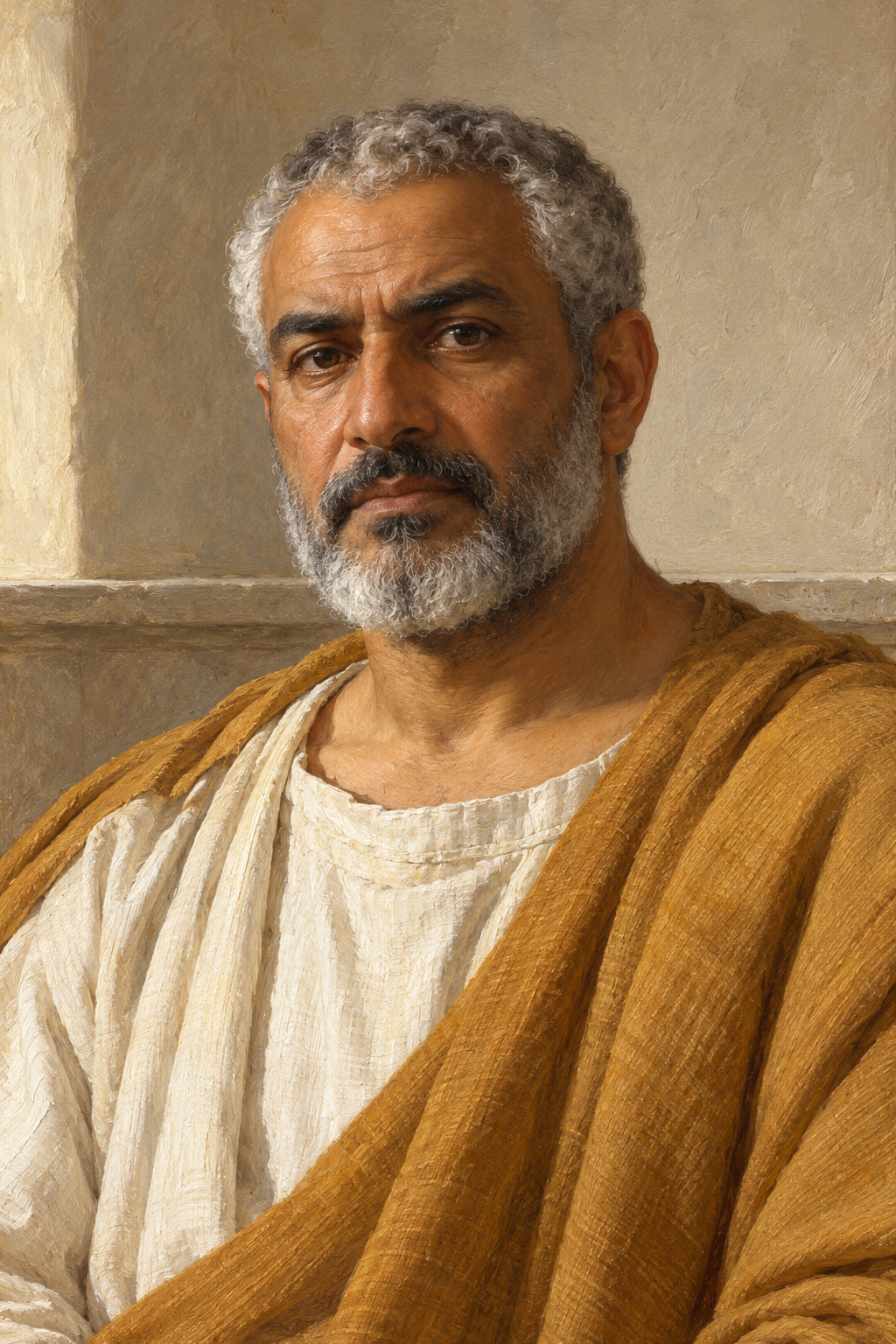
About Anatolius of Constantinople
Anatolius came from Alexandria and served as a deacon under Cyril, who sent him to Constantinople as his representative. In 449 he succeeded Flavian as bishop of Constantinople, with support from Dioscorus of Alexandria and the court official Chrysaphius. His appointment followed the council at Ephesus that had deposed Flavian, so his position immediately raised questions about his own beliefs.
The Orthodox Church in America’s account places his rejection of the teaching of Eutyches and Dioscorus at a local council in Constantinople in 450. It also remembers the return of Flavian’s remains to the capital. Anatolius then took an active part in the Council of Chalcedon in 451, whose teaching affirmed Christ’s full divinity and full humanity. These actions established his place in the Orthodox Church’s remembrance of the council.
The surviving council proceedings make his position more concrete. During the first session, Anatolius affirmed the orthodoxy of Flavian’s teaching. In the discussion preserved as canon 29, he distinguished between bishops properly removed for misconduct and those unjustly reduced to the rank of priest. Those condemned for sufficient cause, he argued, were not fit for priestly office either; those unjustly degraded should recover their episcopal dignity if found innocent. These are recorded interventions, rather than speeches reconstructed from a later biography.
Chalcedon also addressed the standing of Constantinople itself. Canon 28 linked the city’s ecclesiastical privileges to its position as the imperial capital, while ranking it after Rome. It gave its archbishop responsibility for ordaining the metropolitans of Pontus, Asia and Thrace after customary elections. The canon preserved the role of each metropolitan and his provincial bishops in ordaining bishops within their own province.
Anatolius’s own account offers a different view of the same dispute. In a letter sent to Leo after the council, he praised the pope’s efforts against heresy and announced envoys who would report its decisions. He then complained that the Roman representatives had disrupted the proceedings over Constantinople’s privileges. He presented their actions as an affront to his church and suggested that they misunderstood Leo’s intentions. These were his allegations, not an independent verdict on the legates. Although he reported that the emperor and officials had upheld the council’s decision, he still asked Leo to confirm Constantinople’s privilege. The correspondence shows him seeking recognition from Rome while defending an arrangement Rome’s representatives opposed. It also preserves the practical work of sending documents and messengers between the two sees after the bishops had completed their deliberations. He named Lukianos and Basileios as envoys.
Pope Leo opposed that extension of authority. His letter to Anatolius, dated May 22, 452, begins by recognizing their agreement in faith and praising Anatolius’s work against error. It then turns sharply critical, accusing him of seeking power beyond the proper limits of his see. Leo defended the privileges of Alexandria and Antioch and insisted that the canons of Nicaea could not be overturned by a later assembly, however large. He also defended his legates’ opposition at Chalcedon. The letter records Leo’s judgment of Anatolius’s conduct; its accusations should not be mistaken for neutral evidence of every private intention.
Leo’s appeal was also pastoral. He urged Anatolius to practice humility and to distinguish concern for the wider Church from ambition for his own office. Agreement about doctrine had not removed their disagreement about authority. Reading both parts of the letter preserves that tension: Leo could recognize Anatolius’s orthodoxy while still rebuking his decisions.
According to the New Catholic Encyclopedia, Anatolius subsequently wrote a letter of submission and entered full communion with Rome. The same account describes continued cooperation with Leo, particularly after the accession of Emperor Leo I in 457. It records Anatolius’s death at Constantinople on July 3, 458.
His position also brought him close to imperial ceremony. Anatolius is associated with the accession of Emperor Leo I in 457, but the evidence for his exact role has been disputed. Małgorzata Leszka describes him placing the diadem on Leo’s head after an earlier secular act of crowning, while recording a scholarly challenge to that reconstruction. The fullest ceremonial account is not clear on the point, and later testimony has been questioned. It is therefore safer to recognize his place in discussions of early Byzantine coronation than to credit him unreservedly with inventing its later religious form.
Later writers differed over his reputation. Thomas Campbell’s account notes the severe criticisms made by the church historian Baronius, alongside the Bollandists’ defense of Anatolius as a saint. Campbell also acknowledges uncertainty about how he died, although he favors a violent death. That uncertain manner of death is not treated here as an established martyrdom. The existence of criticism and defense is part of the record, rather than a reason to erase the disputes of his episcopate.
The Orthodox Church in America commemorates Anatolius on July 3.
Wondering how to weigh the stories and sources? Learn how to read a saint biography.