Biography
Andrew Seo Seok-bong
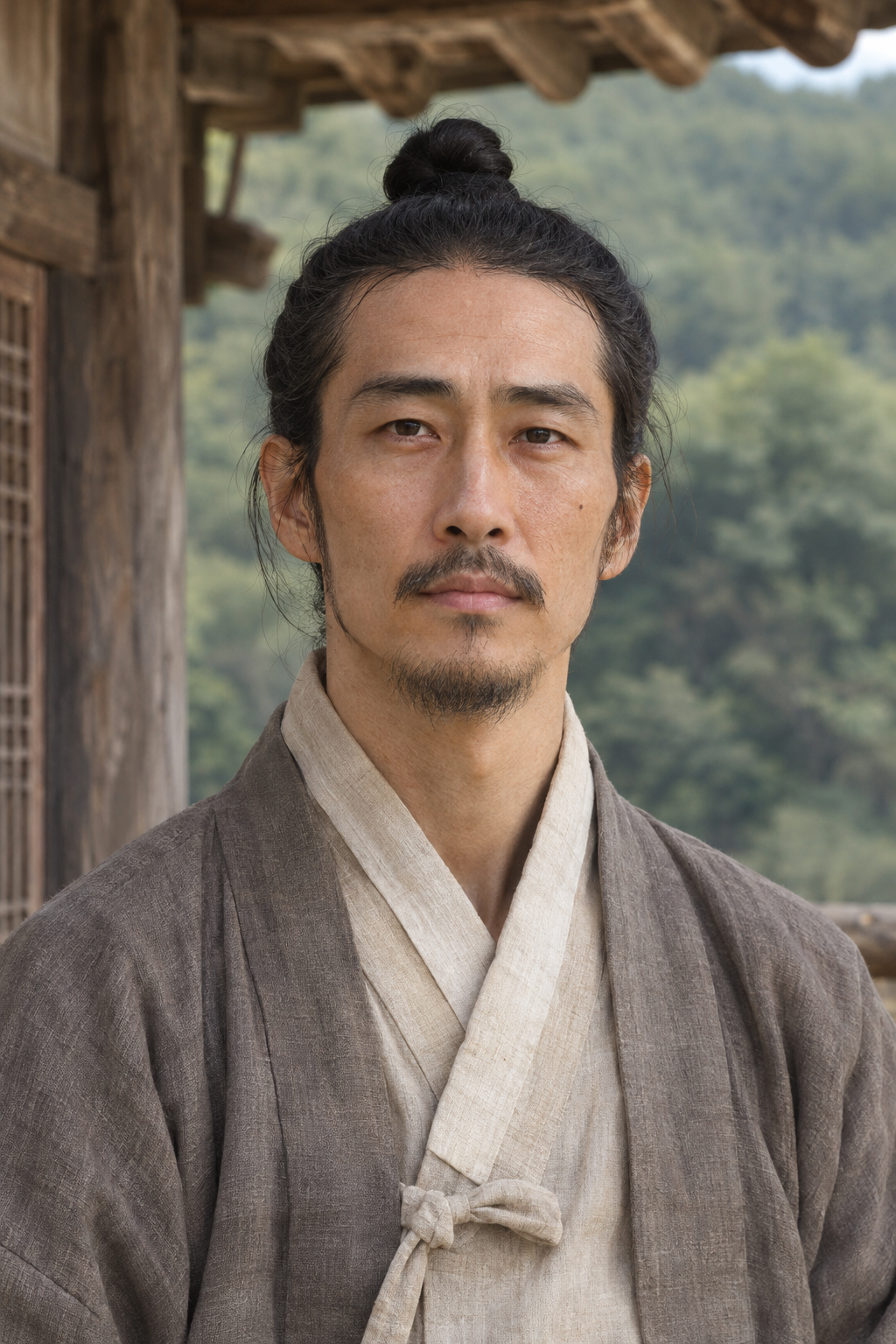
About Andrew Seo Seok-bong
Andrew Seo Seok-bong lived with his family in the Catholic village of Noraesan in Cheongsong. His wife was Barbara Ku Seong-yeol. Francis Choe Bong-han was his son-in-law. His birth date and birthplace are unknown, as is the time when he became a Catholic. Cheongsong was his home during the persecution, rather than an established place of birth.
Historian Baek Gyeong-ok describes Andrew as a widower who married Barbara after she too had lost a spouse. Her account places him in Hongju before the family moved to Noraesan during the persecution of 1801. Andrew and Barbara went with their daughter and Francis, keeping the two generations together when they left their earlier surroundings. The family settled among other Catholics in the mountains.
Barbara appears as Choe Seong-yeol in some older accounts of the family. Comparing the French missionary records, Kim Jeong-suk identified her surname as Ku. The woman called the Widow Seo in the received history was Andrew’s wife; these different names do not identify separate marriages to two Barbaras.
At Easter in 1815, officers led by an informer raided Noraesan and arrested Andrew. They took him to Gyeongju, where officials questioned and punished him, demanding that he renounce Catholicism. He refused. The local commander then sent him to the provincial administration at Daegu, together with his wife, son-in-law and other prisoners.
The three relatives did not endure imprisonment apart from one another. When punishment weakened Barbara’s determination, Francis consoled her and encouraged her to persevere. She recovered her resolve. Andrew continued to refuse the demands made of him.
The Daegu commission’s account describes the imprisoned Catholics praying and encouraging one another. It recalls their calmness and the harmony between them during repeated interrogations. Andrew remained among these prisoners, undergoing further punishment without abandoning his faith. The account presents his endurance as part of this shared life in custody, rather than an isolated confrontation with the officials.
Francis died in prison in 1815, before the rest of the family’s ordeal had ended. Andrew also died in custody, exhausted by the punishments he had received. He had been condemned to death but did not survive to be taken to the execution ground. Barbara outlived both her husband and her son-in-law.
The current Korean bishops’ biography places Andrew’s death before the twenty-first day of the tenth lunar month of 1816.
The Holy See’s beatification letter, which uses a civil date, places his death shortly after October 21, 1816. The two sources use different calendars.
An older encyclopedia entry assigns his death to 1815. These accounts agree that he died in the Daegu prison before his sentence could be carried out, but they do not give a consistent day. Catholics also remembered him through a maternal grandson known as Pak of Songol. The grandson’s given name is not supplied in the account.
Wondering how to weigh the stories and sources? Learn how to read a saint biography.