Biography
Andrew Trần Văn Trông
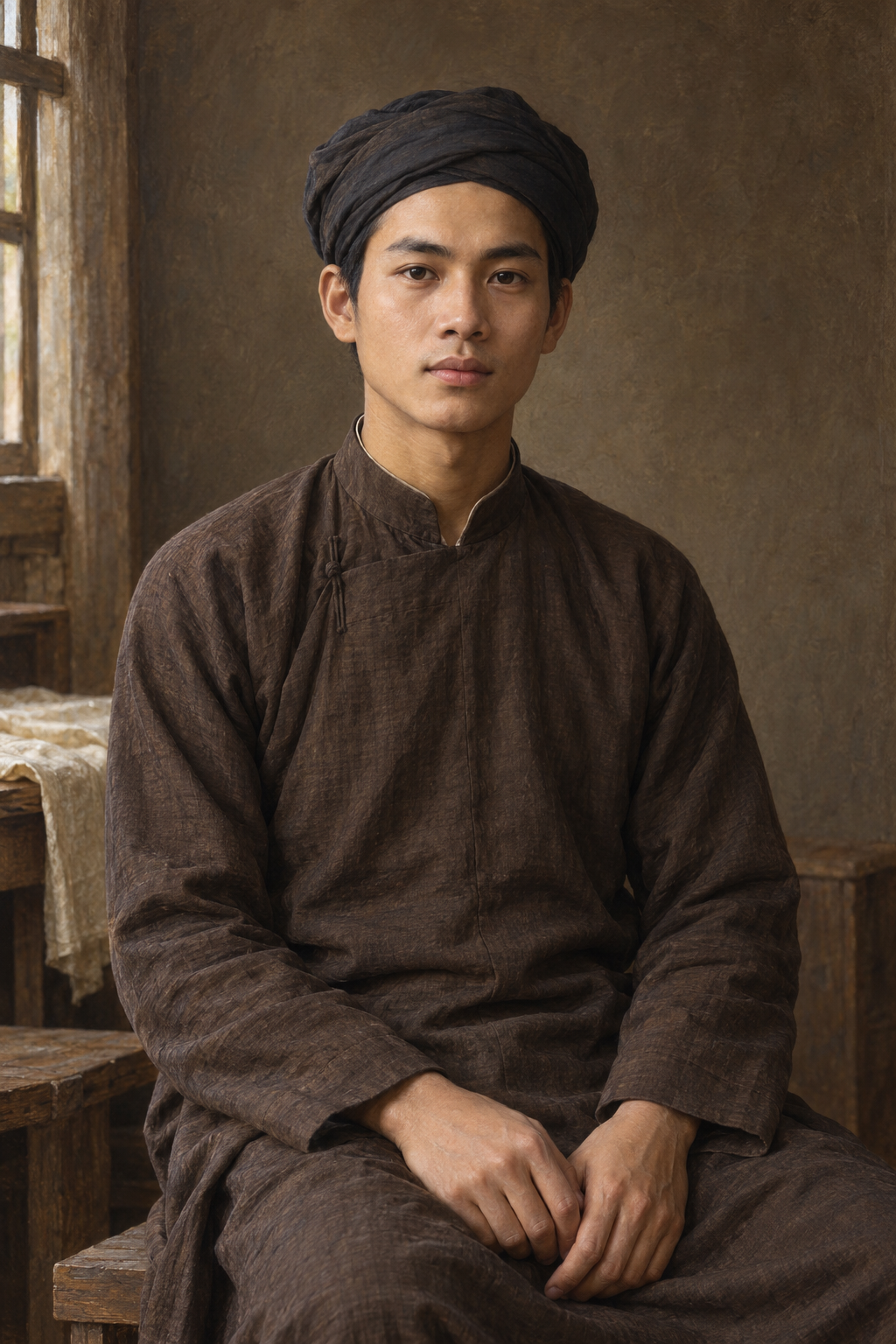
About Andrew Trần Văn Trông
Andrew Trần Văn Trông came from a Catholic family in Kim Long near Huế. Accounts describe royal silk work after his father’s death, followed by imperial military service.
In November 1834, Catholic soldiers were ordered to identify themselves. Andrew presented himself with fellow soldiers and was imprisoned. He refused to abandon his faith or trample the cross. The account remembers his mother accompanying him to his execution at Chợ An Hòa on 28 November 1835 and later receiving his remains for burial at Kim Long.
Published biographies disagree about Andrew’s birth year and age.
John Paul II canonized Andrew with the Vietnamese martyrs on 19 June 1988. The canonization letter names him among the laypeople, distinct from the priest Andrew Dũng-Lạc. Bishops, priests and laypeople from different periods of persecution share this recognition; they did not all die together.
His remembrance also continues in parish life. In July 2024, Tiên Nộn parish in the Archdiocese of Huế inaugurated a Eucharistic youth group bearing his name. The parish report describes its members, adult helpers and recognition ceremony. A name preserved in accounts of persecution thus became part of a community teaching and supporting young people.
The Catholic calendar used in the United States commemorates Andrew Dũng-Lạc and his companions on 24 November. Andrew Trần Văn Trông belongs to that group, while local biographical calendars also remember him on 28 November, the recorded date of his death.
Wondering how to weigh the stories and sources? Learn how to read a saint biography.