Biography
Andrew Yi Jae-haeng
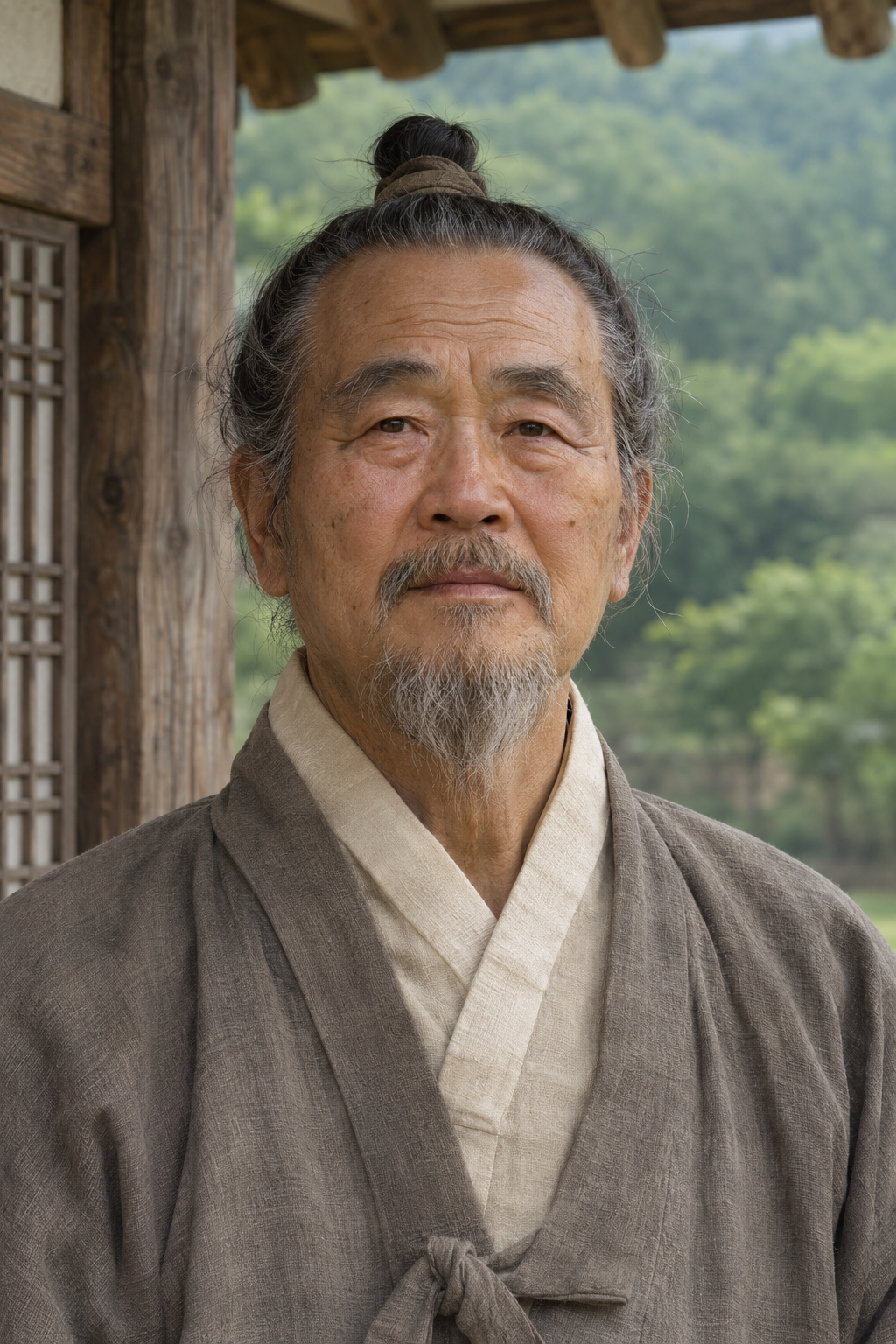
About Andrew Yi Jae-haeng
Andrew Yi Jae-haeng came from Hongju in Chungcheong-do. He was also known as Jong-il. He accepted Catholic teaching after he had passed twenty and began to practise it in his everyday life. Unable to live freely as a Catholic in his home district, he left for a mountain settlement. The family continued to move from place to place.
The Korean Catholic Encyclopedia describes the cost of that decision in material terms. Andrew left his earlier home, possessions and neighbours behind when he took his family into the mountains. Later moves brought further hardship. He continued to pray and read religious texts while trying to keep the household together. The encyclopedia gives 1775 as his birth year; the current bishops’ account gives 1776. His conversion is dated by his stage of life, not by a verified calendar year.
The valley where Andrew eventually settled lies below Mount Bonghwang, northeast of the village of Ojeon in what is now Bonghwa County. The diocesan history of Gomjigi remembers it as a refuge for Catholics as early as the persecution of 1801. Today a visitor approaching from Ojeon turns away from the road and goes deep into the valley. Andrew had left Hongju because he could not practice his religion freely there. By the time the officers came, his family had found a place to live among people who had come to the mountains for much the same reason.
The history of Bonghwa parish places his move in a wider migration from Chungcheong. Some newcomers lived at Uryeonbat, others at Godeunjeong. Two Catholics from these settlements, Kim Jong-han and Kim Gyeong-seo, had already been taken during the persecution of 1815. The parish history names Andrew’s arrest twelve years later as another blow to the small mountain communities. It suggests that surviving believers moved on again. For Andrew the end of life at Gomjigi was a separation of another kind. He would spend the rest of his life in official custody.
The Daegu beatification commission recalls a man who continued to care for and instruct his family after repeated moves had left them poor. It describes patience under insult, care in speech and conduct, and the effort to live peaceably with other people. These recollections concern his conduct before the final arrest, when he was still responsible for supporting a household. His later prison life was remembered in connection with those earlier habits. The commission introduces his story by defining virtue as a good habit that becomes visible in ordinary conduct. It reads his care for his household and his conduct during imprisonment together, rather than treating the execution alone as the measure of his religious life.
By 1827 Andrew was living at Gomjigi in Sunheung. When news of the Jeonghae persecution arrived, he gathered his family and encouraged them to prepare for what their faith might require. Officers eventually came to the house. He went with them to Andong, where the authorities confirmed that he was a Catholic and demanded a renunciation.
At Andong he defended Catholicism against the accusation that it was a false religion. He endured repeated beatings without agreeing to abandon it. The local proceedings did not end the case. He was sent to the provincial administration in Daegu, where the encyclopedia records three further rounds of severe punishment. The same refusal that had kept him in custody at Andong now led to a death sentence at the provincial office.
Bang distinguishes the 1827 capital-case proceedings from the final royal death verdict, which came in 1839.
Yeo Jin-cheon recounts that Andrew wept when he learned that his wife and children had died. Fellow prisoner Andrew Pak Sa-ui consoled him by recalling Job. The remembered encounter places grief and the support of another prisoner within the account of his endurance. He also shared food with prisoners who were hungrier.
Historian Kang Seok-jin places Andrew and Pak Sa-ui together in his discussion of charity among the martyrs. He singles them out as men who continued to give to others while themselves imprisoned under sentence of death. In Kang’s interpretation, their hope for another life was expressed through care for the people around them in this one. His study also places Andrew beside Paul Pak Gyeong-hwa among Catholics who counselled preparation for martyrdom without treating death recklessly. Kang distinguishes acceptance of persecution from a simple rejection of life.
The authorities returned to the question of renunciation after the Gihae persecution began in 1839. Andrew again refused.
Kang Yu-sin’s account adds a farewell within the prison before the three men were led away. Fellow prisoners and jailers prepared food and rice cakes for them despite the difficult circumstances. The meal marked the approaching separation after years of shared confinement. Kang presents the gesture as an expression of the affection and respect the prisoners had gained among people who knew them.
Wondering how to weigh the stories and sources? Learn how to read a saint biography.