Biography
Anub the Martyr
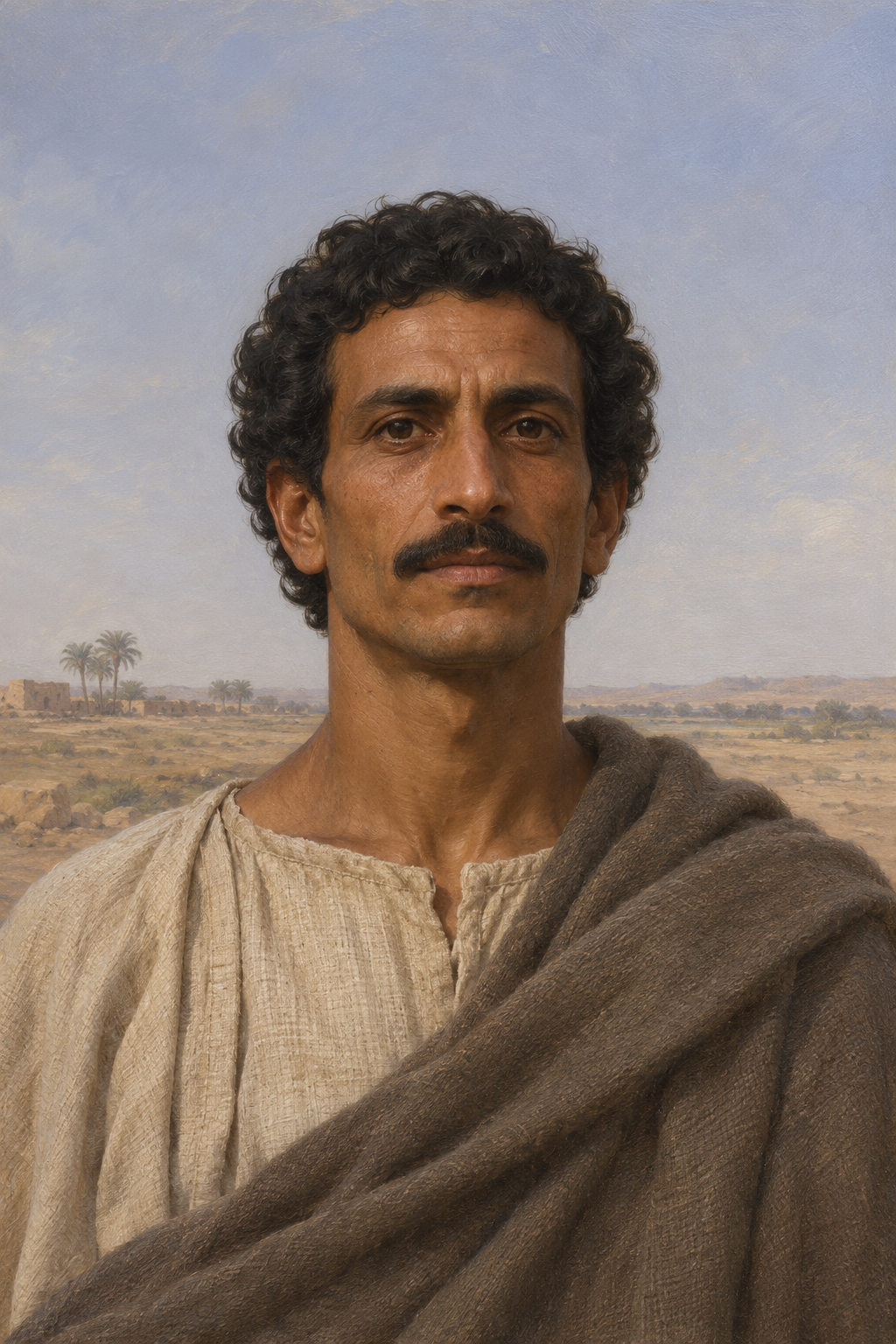
About Anub the Martyr
Anub is remembered in a Coptic martyrdom narrative set during the persecution under Diocletian. The story places him at Naesi near Atrib in Egypt. After hearing a church sermon, he gives his possessions to poor people and approaches the authorities who are enforcing an order to sacrifice to Roman gods. These actions are the opening of his Passion, not independently documented episodes from his daily life.
The narrative moves him through hearings before Lysia and Cyprianus, then to Alexandria before the official Armenius. It relates imprisonment, arguments, torture, visions, and miraculous survival before his death. Julius of Aqfahs visits him in prison and is presented as the witness who signs the account. The settings and named officials give the story a dramatic route through Egypt, but they do not establish a verified travel diary.
Tito Orlandi identifies the surviving Passion as a typical work of the late Coptic hagiographical school, preserved in a single Bohairic manuscript and composed around the seventh or eighth century. It belongs to the literary cycle centered on Julius of Aqfahs. The gap between that composition and the persecution it depicts is why Anub’s courage can be described as the tradition remembers it, while the exact speeches, visions, and tortures remain uncertain.
Wondering how to weigh the stories and sources? Learn how to read a saint biography.