Biography
Anysia of Salonika
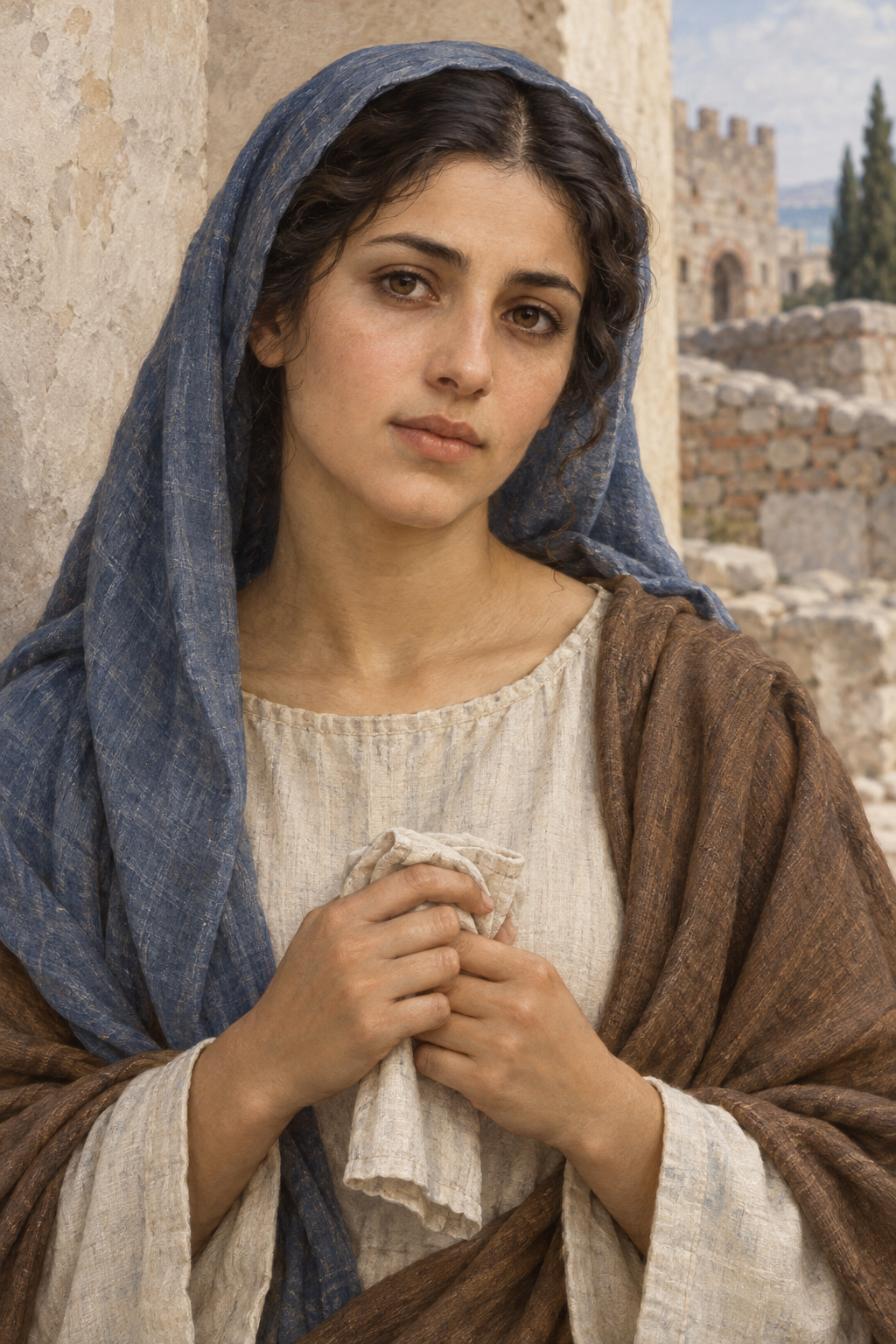
About Anysia of Salonika
Anysia is remembered as a Christian virgin and martyr of Thessalonica. The story links her inheritance with generosity and prayer.
In the story, a soldier stops her on the way to Christian worship and tries to make her join a sacrifice. She resists and he kills her with a sword. The accounts describe her burial by fellow Christians; their words and prayers express devotion rather than a surviving eyewitness transcript.
The narratives differ in length. The second gives extended prayers and an account of her care for prisoners and sick people. These remain elements of the received religious story, rather than independently documented episodes.
Anysia’s textual record also calls for care with authorship. The Pinakes catalog lists an anonymous martyrdom account, another attributed to Gregorios and a praise text by Philotheos Kokkinos. These are separate literary witnesses to her remembrance. Their existence does not establish that their authors personally knew her or witnessed her death.
The scholarly prosopography of Gregorios treats his association with the Anysia text as uncertain. It also notes that similarly named clerics may have been different people. Assigning a precise author and date to every version of her story would therefore give a misleading impression of certainty.
Her association with Thessalonica continued to have meaning for later writers. Eleonora Kountoura-Galaki and Nike Koutrakou discuss a passage in Philotheos’s praise of Anysia when examining local identity. They explain how his description of the city allowed newcomers to become part of an adopted homeland. This is evidence of a later author’s understanding of belonging, rather than fresh evidence about the martyr’s early life.
Archaeology requires a similar distinction. A report published by Gilles Touchais describes a cross-shaped shrine and neighboring cemetery basilica discovered in Thessalonica. It records E. Marki-Angelkou’s rejection of an early identification with Anysia and her suggestion that Alexander was a better possibility. The excavated buildings establish a Christian burial landscape; the report does not securely establish Anysia’s own grave.
The Orthodox hymns used for her remembrance present faith through images of love, baptism and self-giving. Their language addresses Christ and asks for her prayers. A second hymn places her martyrdom beside Melania’s ascetic life. Such liturgical poetry expresses the community’s faith and offers a way to remember Anysia; it does not supply a literal record of her final words.
Both the Catholic biography in Norway and the Orthodox Church in America commemorate her on 30 December. Exact birth and death dates are left unset because the received accounts do not establish them securely.
Wondering how to weigh the stories and sources? Learn how to read a saint biography.