Biography
Aphian
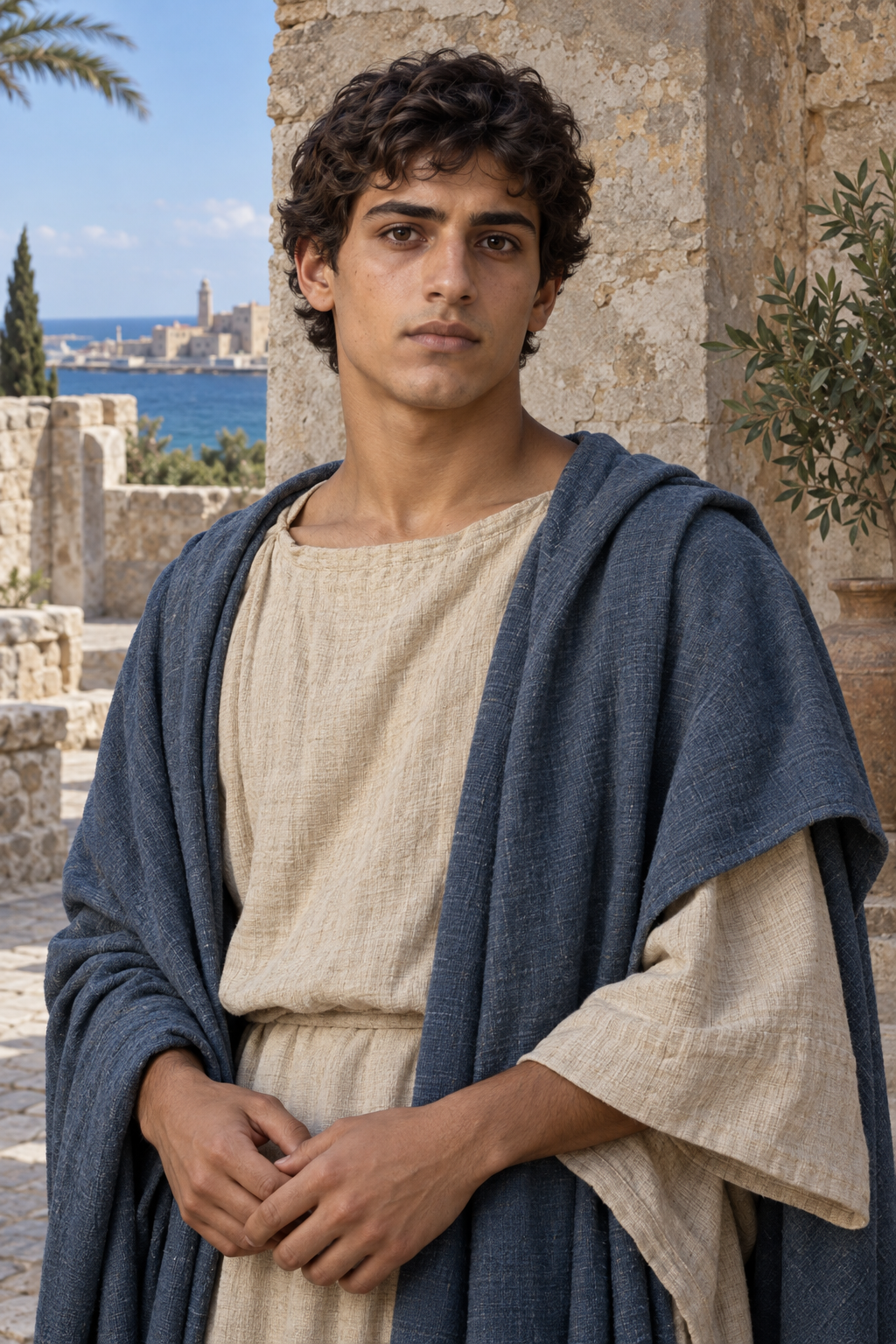
About Aphian
Aphian, also called Apphianus, was a young Christian martyr at Caesarea in Palestine. Eusebius describes study at Berytus, departure from his family in Lycia and instruction with Pamphilus.
Eusebius says he was not yet twenty and belonged to a wealthy family. He had lived in the author’s household, but did not tell his companions about his plan to confront the governor.
According to Eusebius, he seized Governor Urbanus’s hand to interrupt a sacrifice. Arrest, torture and drowning followed. The author also reports an earthquake and the return of his body; these remain the account’s religious claims.
The spelling of his hometown is uncertain. McGiffert notes differences between manuscripts and proposes an identification only tentatively. A precise settlement should therefore not be treated as securely established.
His actions have also prompted different readings. McGiffert thought that keeping his plan secret suggested his companions would have discouraged it. That is the editor’s inference, rather than an explanation preserved from Aphian himself. It leaves an important distinction between remembering a martyr’s endurance and knowing the private reasons behind his decision.
Matthew Anderson offers a different emphasis in his study of martyrdom language. Examining the Greek word for spirit, he argues that the passage can describe zeal given by the Holy Spirit, rather than simply an extraordinary human temperament. His argument concerns how Eusebius presents the episode. It does not give independent access to Aphian’s thoughts, but it helps explain the author’s religious understanding of courage.
The date requires care as well. Claude Vandersleyen accepts 2 April 306 while discussing an inconsistent weekday in the early account. His study distinguishes that death from the later martyrdom of Aphian’s brother Aedesius. Their shared remembrance does not establish a shared day of death.
The Syriaca reference catalog identifies the Syriac text as a work by Eusebius and lists editions and translations. This record helps trace the transmission of the story across languages. Those witnesses preserve its literary history; they should not be counted as several unrelated eyewitness accounts.
The Orthodox Church in America commemorates Amphianus with Edesius on 2 April.
Catholic Online also lists 2 April for Appian. These are published observances in the cited calendars.
Wondering how to weigh the stories and sources? Learn how to read a saint biography.