Biography
Apollinaris Claudius
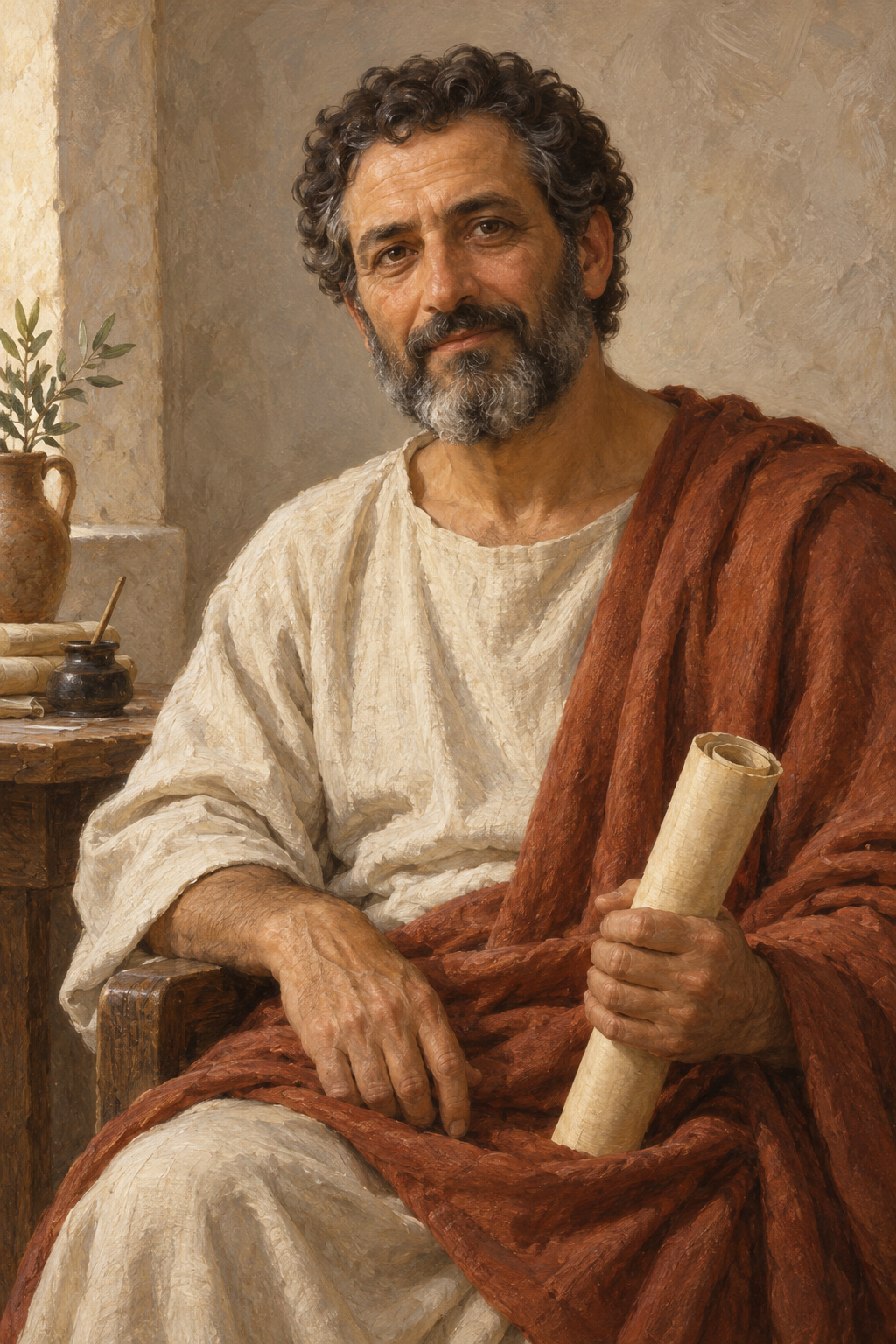
About Apollinaris Claudius
Apollinaris Claudius was a Christian bishop and writer at Hierapolis. Photius places him in Asia during the reign of Marcus Aurelius and praises the quality of his writing.
Eusebius lists a defense addressed to the emperor, books Against the Greeks and On Truth, and writings opposing the movement associated with Montanus.
The surviving fragments give a narrower view than that list of titles. In the work Concerning the Passover, Apollinaris disputes an interpretation of the Gospel chronology of Jesus’s death. He thinks some opponents need instruction rather than blame for their ignorance. Another fragment describes Christ as the true Passover sacrifice and connects his death with the water and blood from his side. These passages preserve something of the writer’s theological language. They do not preserve the whole argument or a complete account of the dispute.
George Salmon’s discussion explains why the fragments have produced differing conclusions. Some readers have understood Apollinaris as opposing the Asian custom of observing Easter on the fourteenth day of the month. Others have argued that his language addresses a smaller group and does not establish that wider position. Salmon presents the competing reasons, including how later writers did or did not appeal to Apollinaris. The fragments therefore deserve to be read without assigning him a settled place in every later Easter controversy.
Salmon also identifies an important limit in the stories about his opposition to Montanus. The account of a council with twenty-six other bishops comes from a writer he places near the end of the ninth century. That late report should not be treated as a contemporary record of a meeting in Apollinaris’s lifetime. It shows how a remembered theological opponent could acquire a more detailed institutional story over time.
His chronology remains uncertain. McGiffert’s commentary says that neither the exact dates of his episcopate nor his death can be determined. It also finds insufficient evidence to give the imperial defense an exact date. The connection between that work and the account of the Thundering Legion is a scholarly proposal, rather than a surviving identification by the author. A precise year for either event would give the evidence more certainty than it can bear.
The Thundering Legion story has itself required critical attention. Michael Ott’s historical discussion rejects the claim that the legion received its name only after a rainstorm attributed to Christian prayer. The name existed earlier. He also treats the supposed imperial letter forbidding persecution as either forged or altered. Those conclusions distinguish the religious interpretation of a military event from later claims about the legion’s name and imperial policy. They also prevent a story associated with Apollinaris from becoming evidence for a general protection of Christians that the historical record does not support.
The survival of his books can be traced farther than the few fragments suggest. Photius says he personally read Against the Heathen, On Piety and On Truth. He distinguishes those books from other works that he had only heard about and had not obtained. His brief notice preserves a reader’s judgment of Apollinaris’s style, rather than simply repeating a list of titles. It is a reminder that a work could remain available to a later reader and still eventually disappear.
The Catholic Church in Norway’s saints directory commemorates Apollinaris on 8 January. Its discussion acknowledges the lack of evidence for an early cult and distinguishes later calendar traditions. This published observance does not establish the date of his death or a place of burial. His enduring historical significance rests on the writings and fragments that preserve the memory of a bishop engaged in the intellectual and religious disputes of the early Church.
Wondering how to weigh the stories and sources? Learn how to read a saint biography.