Biography
Apollinaris Syncletica
About Apollinaris Syncletica
Apollinaris Syncletica, also called Apollinaria, is remembered as an Egyptian desert ascetic. Her surviving story belongs to religious legend, and a securely documented individual life cannot be reconstructed from it. The Catholic Church in Norway’s directory says this plainly rather than treating every episode as established history. Its entry keeps her distinct from Syncletica of Alexandria, another saint with a January commemoration. The resemblance of their names can obscure that distinction. Neither an exact birth year nor a reliable death year is known for the heroine of this account.
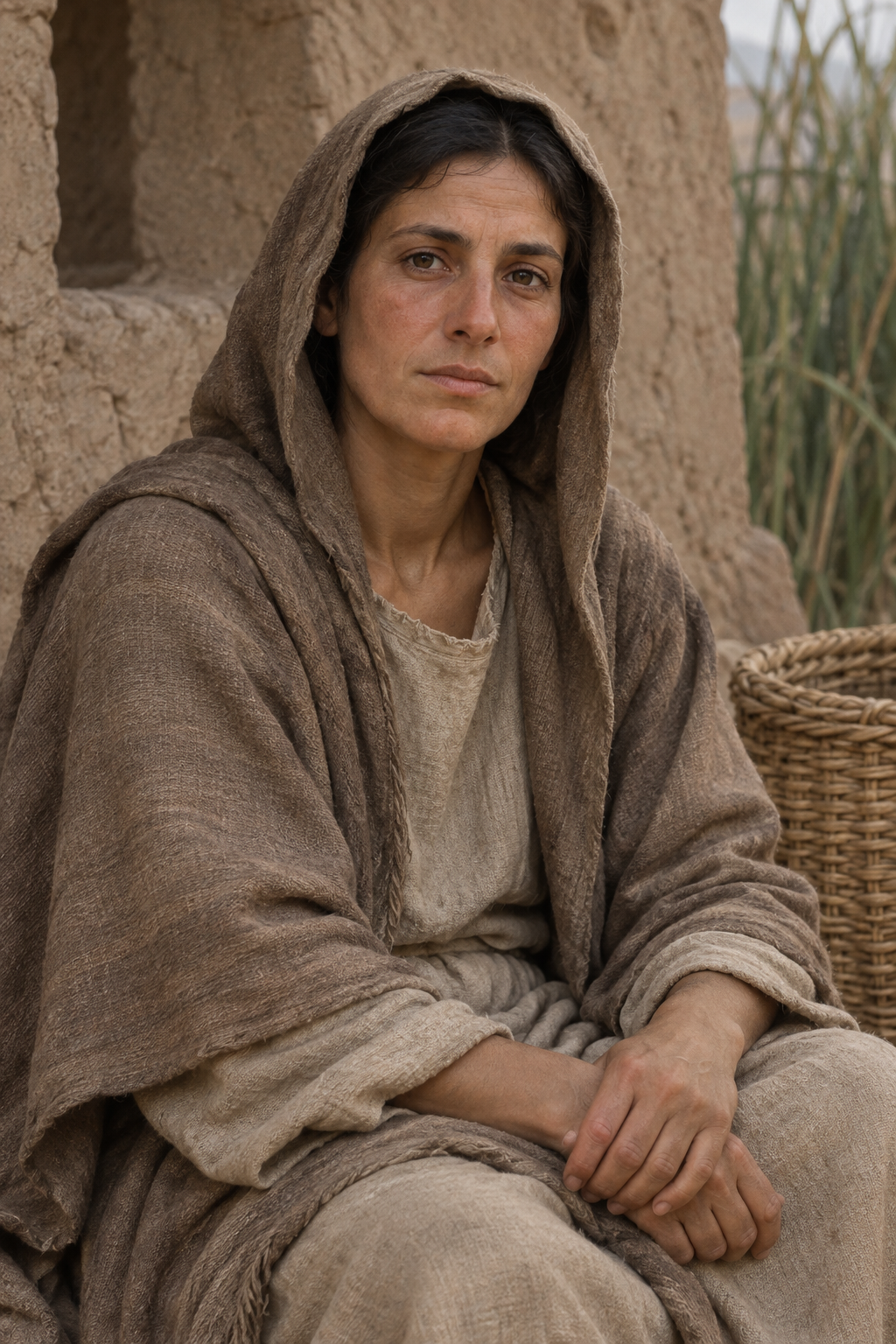
In the Life, she refuses marriage, travels to the Holy Land and distributes wealth. Near Egypt’s desert monasteries, she leaves her attendants, takes a monk’s clothing and lives in seclusion. She enters the community at Scetis as Dorotheos, whom the monks understand to be a eunuch. Macarius teaches her basket-making. The story attributes her sister’s healing to her prayers. A later accusation brings her before her parents, who recognize their daughter and allow her to return. The monks discover that she is a woman only after her death. These episodes describe the narrative’s heroine, rather than independently verified events.
The text available in English has a history of its own. Antony Alcock translated the Greek version published by James Drescher from a Vatican manuscript. That version breaks off during the scene in which Apollinaria reveals herself to her parents. Alcock therefore completes the ending from a Latin text printed by Migne. The change of source is marked in his translation. Reading the ending requires acknowledging this editorial join; it is not the uninterrupted testimony of one preserved Greek witness.
Alcock’s notes also identify small textual difficulties and changes in pronouns. Some passages refer to the character as Apollinaria, while others follow the identity Dorotheos through which Macarius knows her. His translation explains that alternation. It preserves a feature of the story’s presentation without resolving the historical question of who stood behind it. The translator’s work helps readers understand the surviving text; it does not supply contemporary records of its heroine.
Ángel Narro studies the Life as literature in a comparison of stories about women whose families mourn their disappearance. He finds connections between Apollinaria’s narrative and that of Eugenia, including the abandoned litter and companions who discover their mistress missing. In Apollinaria’s story, the clothes left behind become a focus of grief. Narro’s reading draws attention to the way the author arranges loss and recognition. These similarities provide evidence about narrative traditions, rather than separate witnesses confirming the same woman’s movements.
Narro also contrasts the family’s mourning with the heroine’s hidden transformation. The people who love her think they have lost her, while the reader knows that she is beginning an ascetic life. He reads this contrast as a symbolic rebirth. His proposed period of composition, between the sixth century and the earlier ninth century, is an argument based on textual relationships. It dates the possible writing of the account; it should not become a birth or death date for Apollinaria.
Przemysław Piwowarczyk approaches the same Life through the geography of pilgrimage. He reports five manuscript witnesses, with the two earliest dating to the eleventh century. A place name in the travel account survives in varying, difficult forms. He argues that it refers to Philoxenite, a station on the route to the sanctuary of Saint Menas at Abu Mena. This is a proposed reading of the text, not a documented address for Apollinaria. It also cautions against relocating the sanctuary to Sinai on the strength of a modern retelling.
Piwowarczyk distinguishes the related Greek and Coptic narratives rather than assuming that one is simply a translation of the other. He considers whether knowledge of the pilgrimage route points to an early Egyptian setting for the composition. A story may preserve information about places while its central person remains fictional or historically uncertain. His study uses that distinction: geographical interest in the Life does not establish imperial parentage or authenticate the healing stories.
The Orthodox Church in America continues to commemorate Apollinaria on 5 January. It also notes a 4 January observance in the Greek calendar and 5 January in the Slavic calendar.
Wondering how to weigh the stories and sources? Learn how to read a saint biography.