Biography
Apollonia of Alexandria
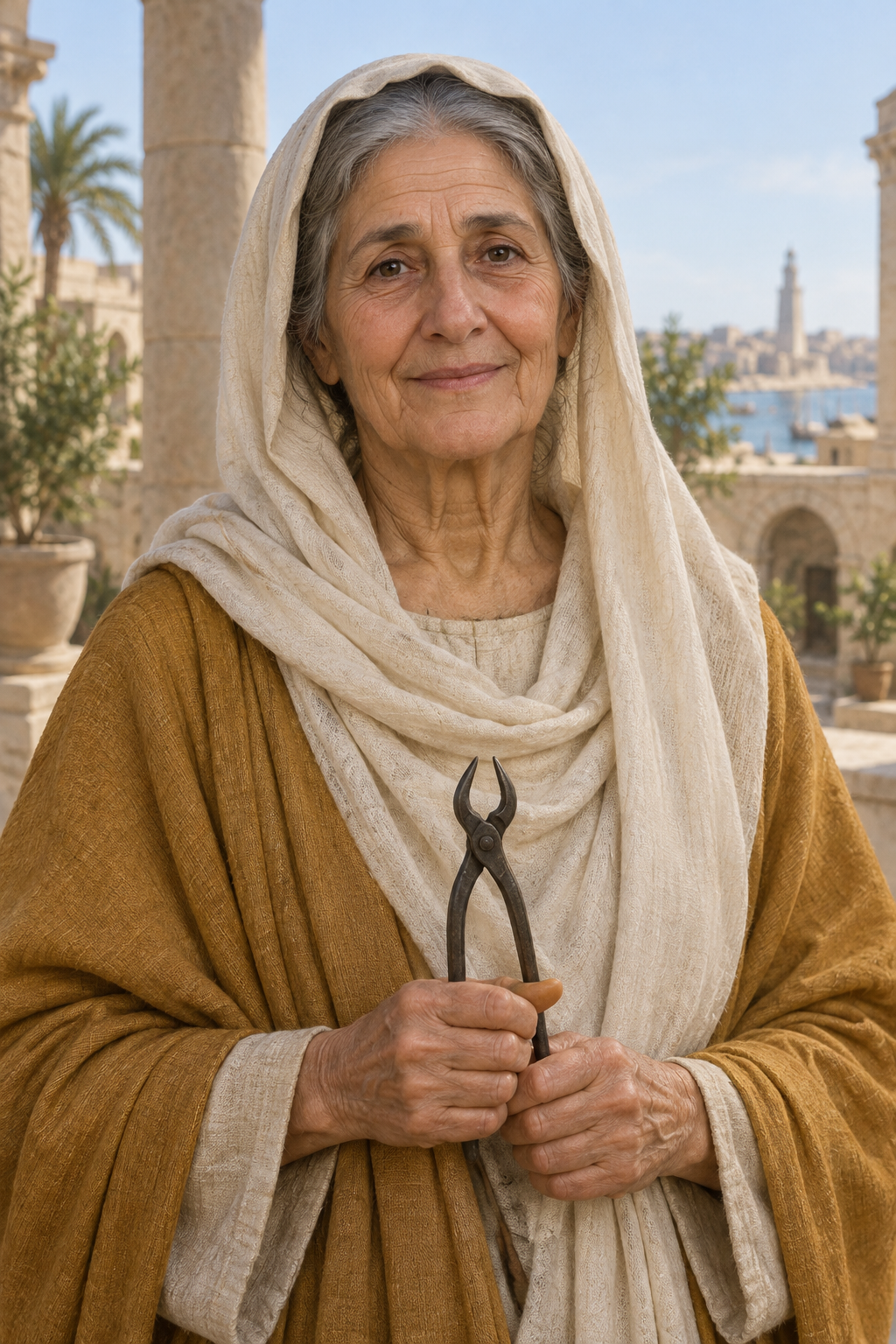
About Apollonia of Alexandria
Apollonia lived in Alexandria during a violent attack on the city's Christians. The principal evidence comes from Dionysius, bishop of Alexandria, whose letter to Fabius of Antioch was preserved by Eusebius. Dionysius described events affecting his own community, so his testimony is much closer to the violence than later legends. Even this account says nothing about Apollonia's birth, family, education, or earlier occupation.
Dionysius calls Apollonia an admirable older virgin. A crowd seized her, struck her jaws, and broke out her teeth. Her attackers built a fire outside the city and threatened to burn her unless she repeated their impious words. When released briefly, she entered the fire and died. The account presents her choice as fidelity under coercion. It does not support the later claim that she was a deaconess, and it should not be expanded with invented dialogue or motives.
The date also requires care. Dionysius places the riot before the imperial change that brought a temporary respite. Kirsch dates the outbreak to the last year of Philip the Arab, approximately 248 or 249, before the empire-wide persecution associated with Decius. A death around 249 is defensible, but February 9 is her commemoration and not a documented day of death. Her birth year is unknown.
Apollonia's injuries shaped her later remembrance. Christians suffering toothache invoked her, and she became associated with dentists and dental illness. Medieval and later artists commonly portrayed her with pincers holding a tooth. Olivares Martínez notes that artists often represented Apollonia as young despite Dionysius's description of an older woman. Such works communicate devotion; they are not lifetime portraits.
Her memory is shared across Christian traditions, though calendars should be identified precisely. The Orthodox Church in America commemorates the Virgin Martyr Apollonia on February 9 and repeats the tradition of prayer for toothache. Western observance also uses February 9. Her historical significance is unusually focused: a named woman, remembered by a bishop close to the events, endured public violence in Alexandria and refused the crowd's demand. Later patronage and art grew from the bodily suffering recorded in that early testimony.
Wondering how to weigh the stories and sources? Learn how to read a saint biography.