Biography
Aquilina of Byblos
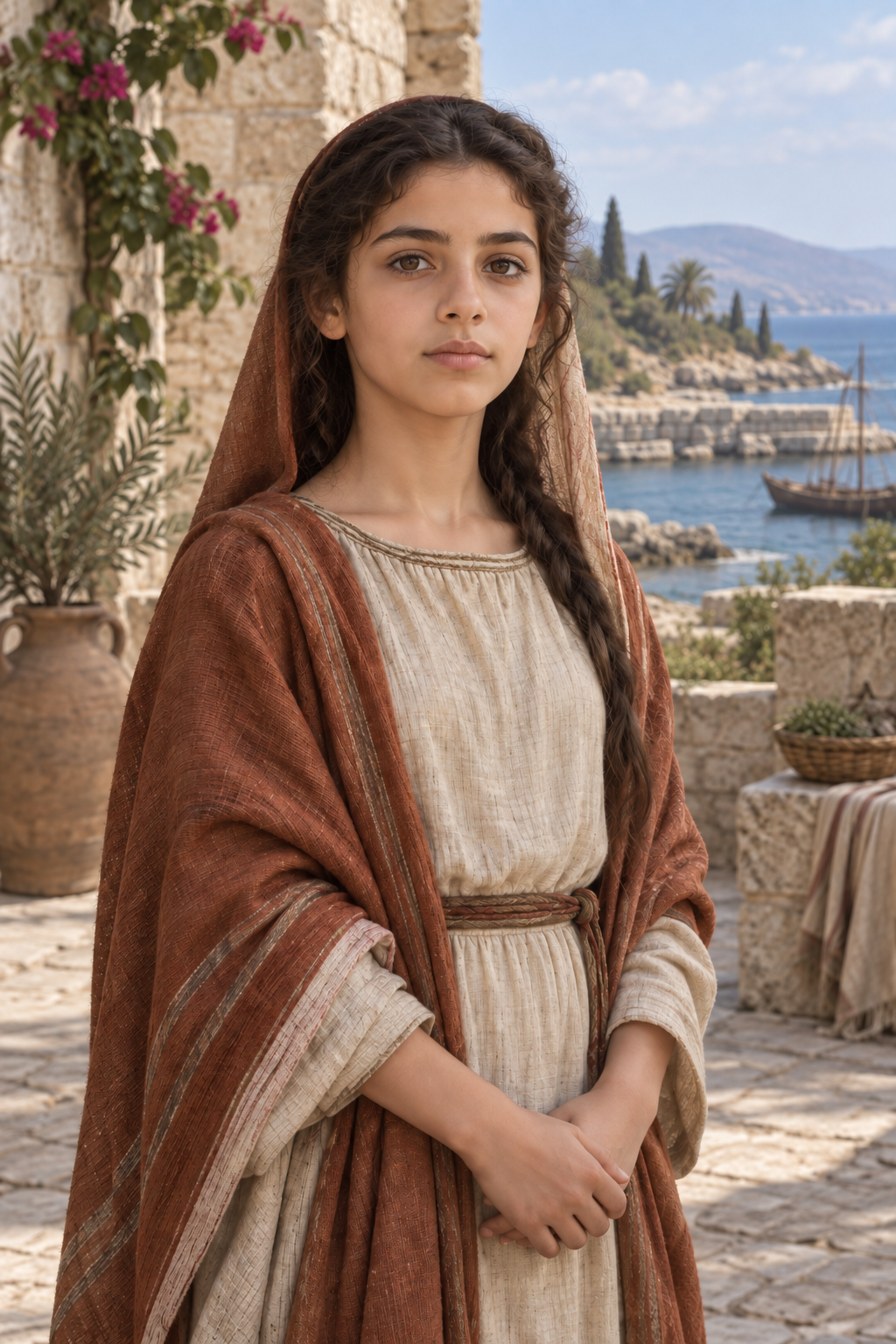
About Aquilina of Byblos
Aquilina is known through her cult and a later martyr narrative, not a contemporary record. Pinakes identifies the Greek name Ἀκυλῖνα and a dossier catalogued as BHG 0163–0163e. Princeton's calendar links her June 13 entry to the Synaxarion of Constantinople and to manuscript and fresco images. Together, these sources establish a durable identity as a virgin martyr associated with Byblos, while leaving the historical details of her life uncertain.
The fullest account printed in the Acta Sanctorum is a Greek passion described as pre-Metaphrastic and reproduced from a Vatican manuscript. That description does not make it contemporary with the persecution it depicts. The story moves through four clear scenes: Aquilina teaches companions, confesses before Volusian, returns after a miraculous healing, and meets condemnation and death. The first, second, and fourth are received tradition; the angelic restoration is legendary.
The proposed chronology illustrates the limits of the tradition. GOARCH places her martyrdom in 289 and describes her as ten or twelve; the OCA gives 293. The Roman Martyrology names Diocletian and Volusian and gives an age of twelve, but its June 13 notice supplies no year. These are calendar and hagiographic witnesses to reception, not independent proof of her age or date. A birth year must not be calculated from them, and both catalog life dates should remain empty.
Byblos is consistently attached to Aquilina's memory. UNESCO identifies the ancient city with modern Jbeil in Lebanon, but that modern geography does not verify an exact house, tribunal, execution place, or grave. No coordinates are therefore proposed.
Aquilina's historical significance lies chiefly in her traceable reception: a Greek dossier, a Constantinopolitan observance, and later images. Orthodox calendars commemorate her on June 13. A responsible profile preserves the tradition's young martyr resisting coercion while stating that its speeches, tortures, miracles, and chronology are not documented third-century history.
Wondering how to weigh the stories and sources? Learn how to read a saint biography.