Biography
Ariadne of Phrygia
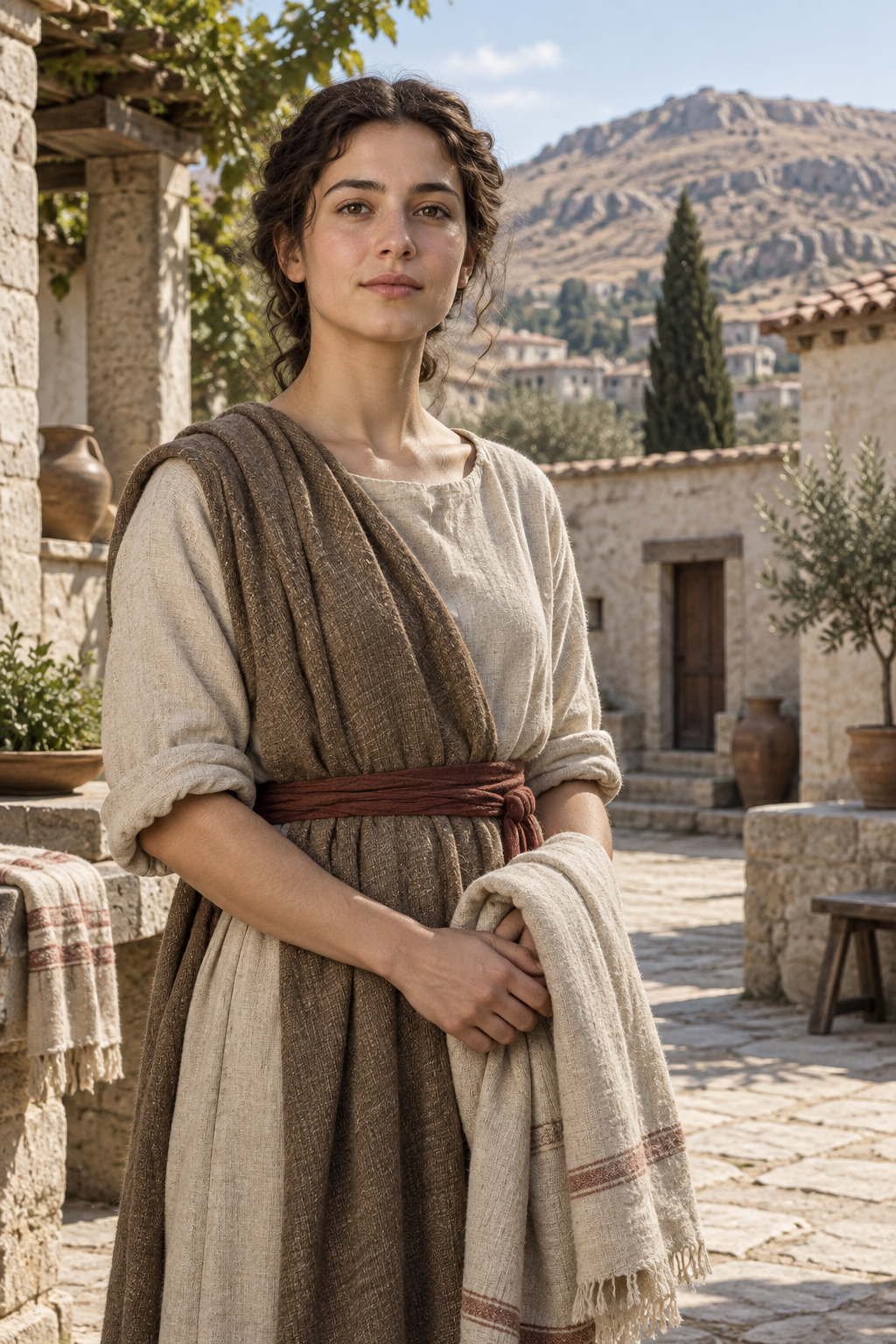
About Ariadne of Phrygia
Ariadne is known through a Greek martyr narrative set at Prymnessos, in Phrygia. Peter Thonemann dates the surviving work to late antiquity and argues that its author reused civic language with plausible ties to the city's second-century setting. This local texture helps explain the story's setting; it does not authenticate Ariadne or the narrated events. No contemporary act or eyewitness record naming her is known.In the traditional account, Ariadne is enslaved in the household of Tertullus. She refuses to join a celebration, is confined and brought to trial, and professes Christianity. After a reprieve, she escapes toward the mountains. The account's social setting may illuminate the vulnerability of an enslaved woman, but her legal status and these episodes are not independently documented. They should be presented as the received martyr tradition, not as established biography.The ending cannot be reconstructed as one sequence. The OCA account reports that a mountain opened and received Ariadne, with part of her clothing left visible; it also preserves a version in which she fell from a cliff and died. The Bollandist review compares divergent narrative and calendar witnesses and warns that the miraculous conclusion may be fabulous. Neither ending should be selected as historical, mapped to a location, or combined with the other.Marissa Freeburn reads the mountain enclosure as protective entombment rather than a conventional violent martyrdom. Her analysis emphasizes Ariadne's fear, flight, and agency within the literary work. This is a modern interpretation of the narrative, not independent evidence for the event. The fuller story's reprieve and escape also mean that a profile should not simplify torture threats into an execution ending.The sources disagree about whether the story's imperial setting belongs under Hadrian or Antoninus Pius, and they do not establish a precise year. September 18 is the present OCA observance and appears in the 2004 Roman Martyrology; older Roman books list September 17. These are liturgical dates, not evidence for Ariadne's death date. Her birth, death, birthplace, and death place therefore remain unknown.Ariadne's enduring significance lies in a tradition that remembers a woman resisting household and civic pressure, surviving confinement, and fleeing renewed danger. Its late composition and incompatible endings set firm limits on historical claims, but do not erase the tradition's portrayal of an enslaved woman's resistance. A responsible account can preserve that meaning while leaving chronology and personal geography unresolved.
Wondering how to weigh the stories and sources? Learn how to read a saint biography.