Biography
Asterius of Petra
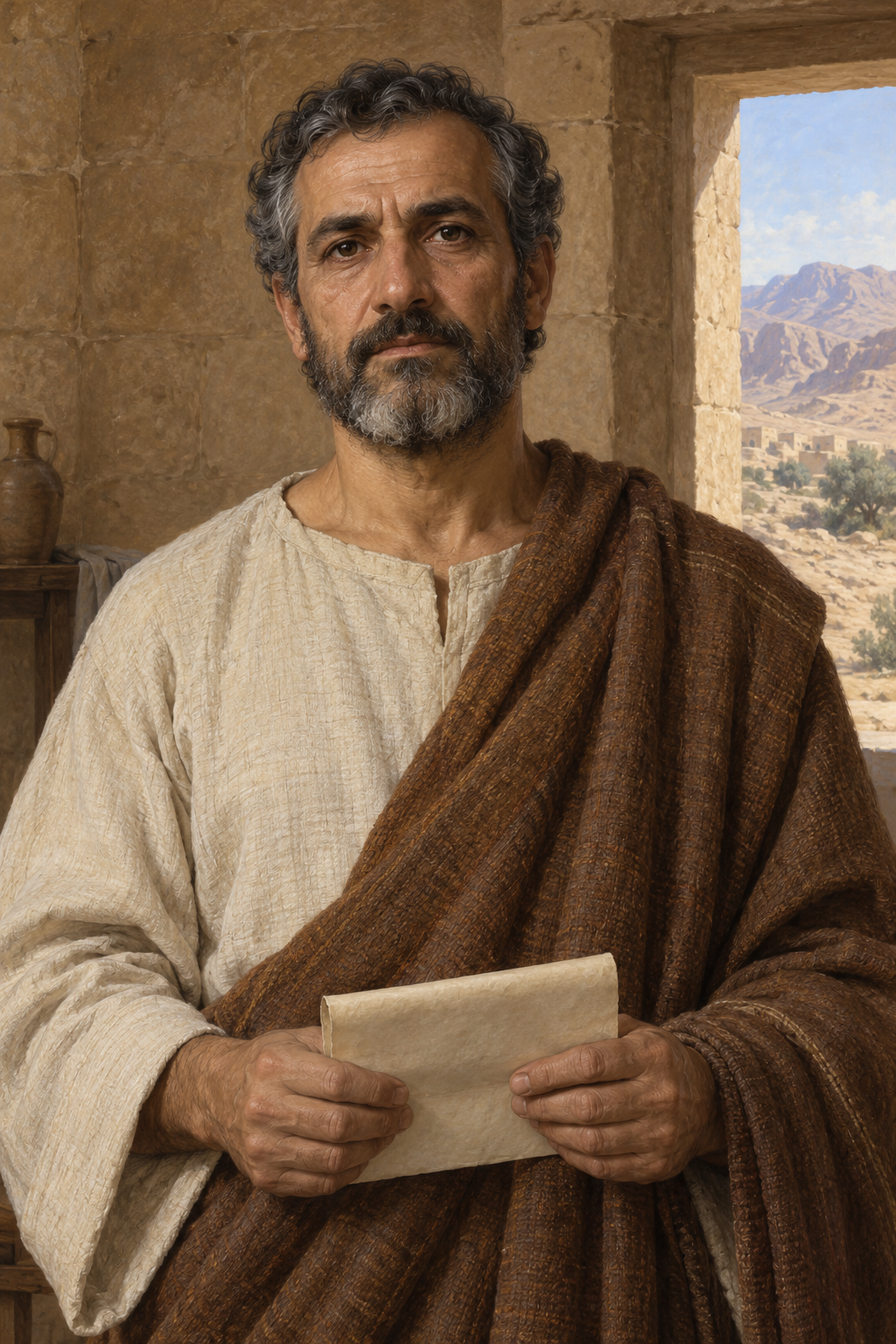
About Asterius of Petra
Asterius of Petra is remembered as a fourth-century bishop caught up in disputes over Christian faith and church communion. The Norwegian Catholic directory commemorates him on June 10.
The letter from the Council of Sardica gives an early account of a change in his allegiance. It names Asterius of Arabia and Macarius of Palestine as bishops who had arrived with the eastern party but then joined the council’s other participants. The writers report that the two complained of pressure and said that threats and promises were keeping others from acting freely. This places Asterius among people willing to separate from their former companions and speak about the conduct they had witnessed. The letter is also a document of controversy, written by one side of a divided gathering. Its accusations should be read as that side’s account, rather than as a transcript agreed upon by everyone involved. What it clearly preserves is Asterius’ place in the council’s claim to have received testimony from bishops who had changed sides.
Athanasius’ History of the Arians records a cost attached to that separation. It says that Asterius and another bishop who had withdrawn from the opposing party were banished to upper Libya and subjected to insults. Athanasius wrote in defense of his own cause, and his account speaks fiercely about those he held responsible. The exile is therefore presented here as his report, without adding a detailed imprisonment narrative or a manner of death that the passage does not supply. The record nevertheless connects Asterius’ changed affiliation with suffering and displacement, rather than portraying the dispute as a matter of words alone.
Another surviving document places him in an effort at reconciliation. The Tomus ad Antiochenos names Asterius among the bishops at Alexandria and explains that he and Eusebius agreed to go to Antioch rather than returning immediately to their own churches. The letter seeks peace among groups willing to profess the Nicene faith. It asks what people mean by disputed theological expressions and urges that differences of words should not divide those whose belief agrees. Near its end, Asterius adds his own brief assent and a prayer for the recipients’ well-being. This is a particularly direct trace of his participation: a bishop who had been involved in separation now appears among those endorsing conditions for renewed communion. The document expresses an intention to reconcile, however, and cannot by itself establish that every intended recipient accepted it.
Modern scholarship helps clarify that limit. In his review of the recent critical edition, Peter Gemeinhardt distinguishes the document’s main text from lists and subscriptions added in its transmission, including Asterius’ assent. He also notes the editors’ attention to the absence of a subscription from the Meletian side in Antioch. A collection of signatures can therefore reveal both commitment and incomplete agreement. Asterius’ name matters because it records his endorsement; it does not make him the author of every argument in the letter or prove that the divisions in Antioch were healed.
His personal chronology remains incomplete. The Catholic directory places his death shortly after the traditionally dated Alexandrian synod, but the material read here does not establish an exact year or place of death. Gemeinhardt also flags a scholarly challenge to the usual dating of the Tomus. These uncertainties leave his life dates provisional. The surviving accounts and assent preserve the outline of his role in controversy and attempts at peace.
Wondering how to weigh the stories and sources? Learn how to read a saint biography.