Biography
Athanasius of Paulopetrion
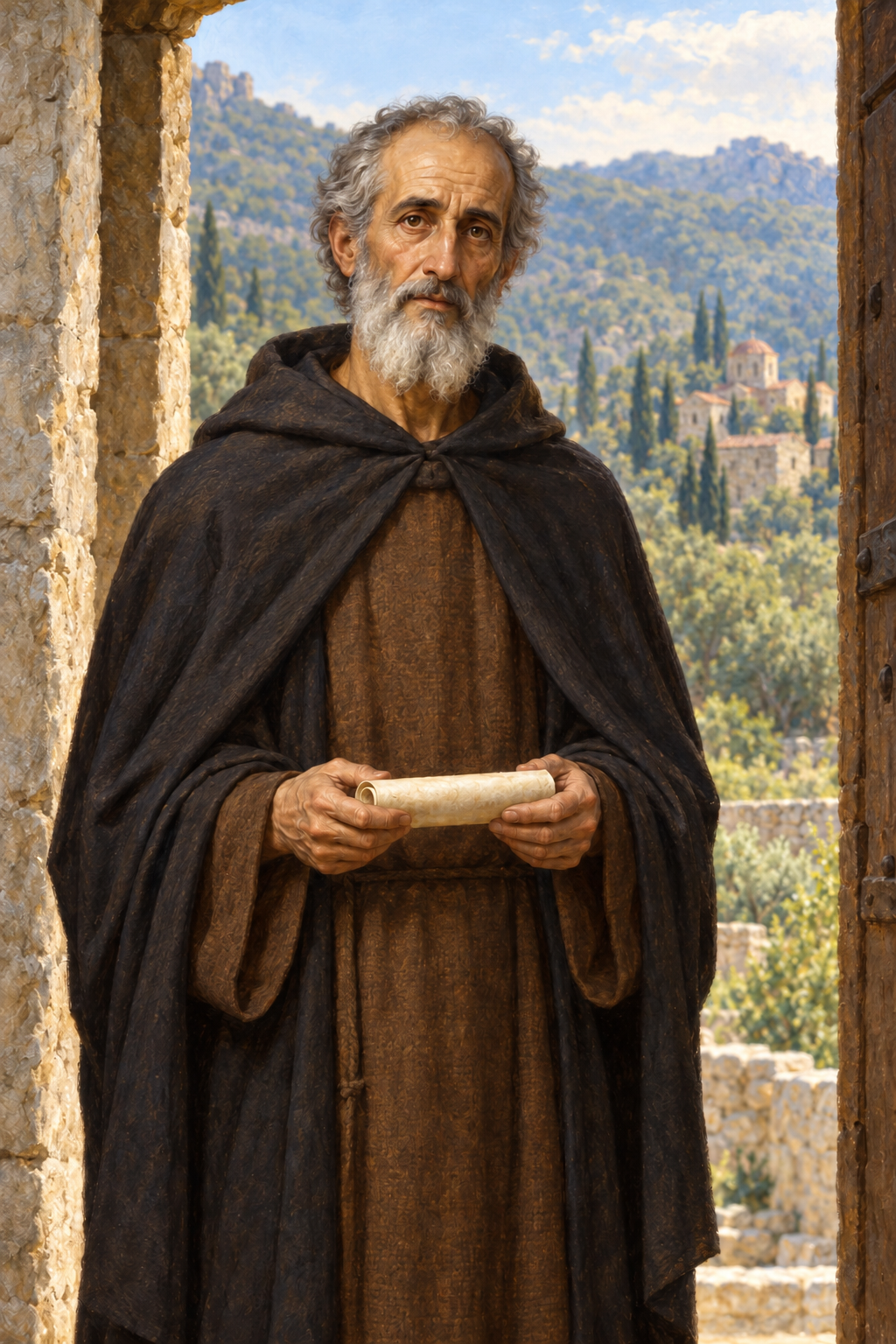
About Athanasius of Paulopetrion
Athanasius of Paulopetrion was a Byzantine abbot who defended the veneration of icons during the reign of Leo V. Born in Constantinople, he entered monastic life while young in the region of the Gulf of Nicomedia. He eventually led the monastery of Paulopetrion near Cape Akritas.
The devotional account preserved by the Metropolis of Morphou describes his parents as wealthy and devout. It remembers his early desire for monastic life and says that his reputation reached the imperial court. These details place his religious vocation within a traditional account of a young man choosing ascetic discipline over the advantages of his family’s position.
His connections with other defenders of icons are more firmly visible through correspondence. Theodore the Studite addressed three surviving letters to him between 816 and 818. Athanasius also joined in letters addressed to Pope Paschal I, and Theodore’s correspondence refers to a letter Athanasius himself had written to the abbot of Photeinudion.
The Orthodox Encyclopedia places him alongside Theodore and John of Kathara in the resistance to iconoclasm. Its account records two floggings followed by banishment. The emphasis is on a monk who continued to hold his convictions after physical punishment and removal from his monastery.
The scholarly prosopography dates his exile to spring 816 and his return to 821 under Michael II. His death probably occurred in 826; it is mentioned in Theodore’s correspondence and catechetical teaching.
One possible episode remains uncertain. A separate prosopographical entry describes an abbot named Athanasius imprisoned at Plateia Petra in Lydia and visited by Peter of Atroa. The scholar Vitalien Laurent proposed identifying that prisoner with the abbot of Paulopetrion. The identification should remain a proposal rather than become an unquestioned account of where this saint spent his exile.
His remembrance spread through liturgical books. The Orthodox Encyclopedia traces his February 22 commemoration through Byzantine calendars and the later Slavonic Prologue, where his short life circulated in translation. It also records an anonymous Greek canon that did not enter the printed service books.
The Metropolis of Morphou still commemorates him on February 22 as a venerable father and confessor. Its account closes with his endurance through suffering and exile, the qualities by which the monastic tradition remembers him.
Wondering how to weigh the stories and sources? Learn how to read a saint biography.