Biography
Aurea of Paris
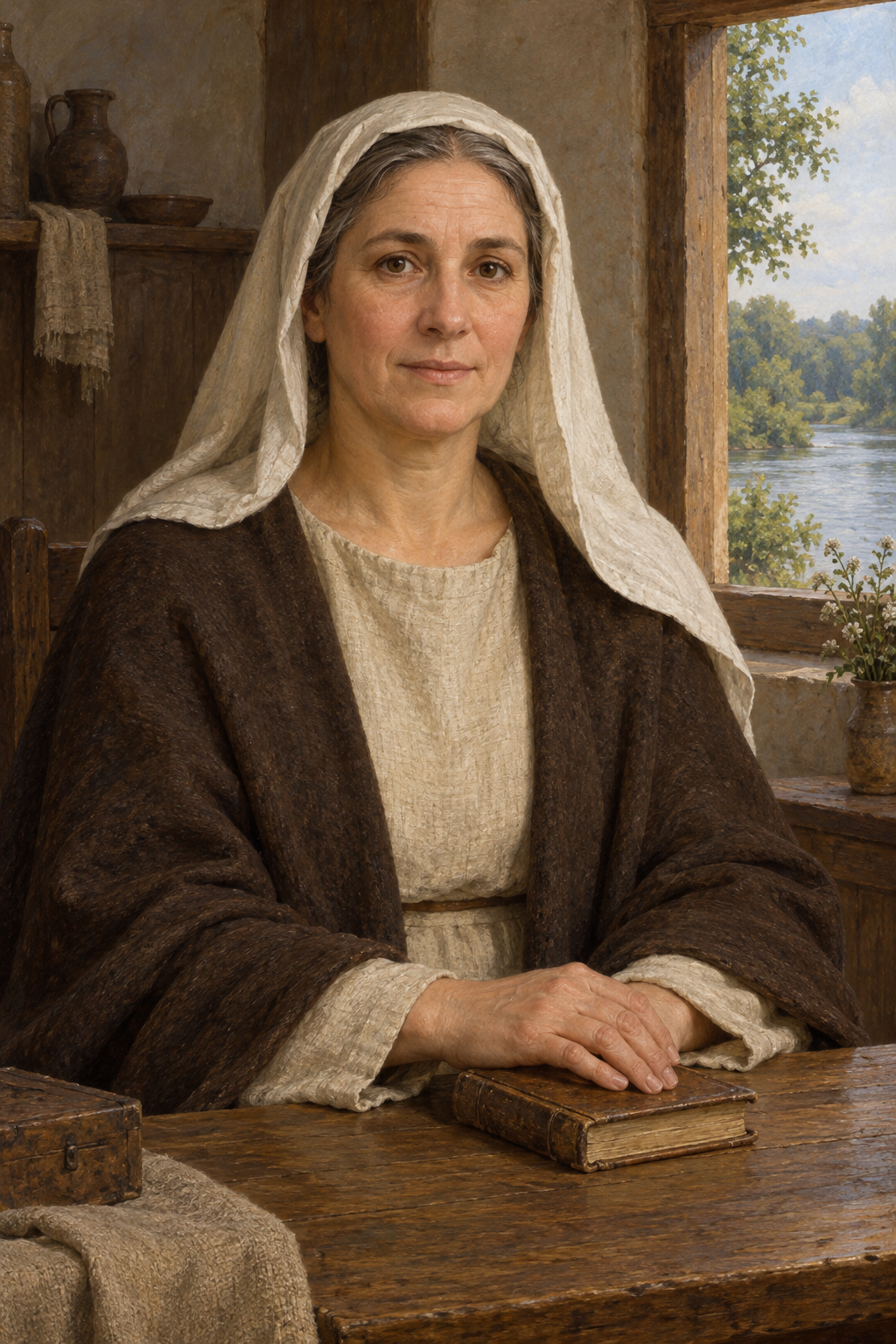
About Aurea of Paris
Aurea led a community of women in seventh-century Paris. The Life of Eligius names her as the abbess he appointed to a monastery established in a house he had received from the king. Its account places women from different backgrounds in the community and describes the provision of property income, clothing, vessels and books. Aurea’s leadership is part of this early account of a growing religious household.
The same Life remembers her death during a calamity that struck Paris and her monastery. It tells a visionary story: an appearance of Eligius summons her through a messenger, but she reaches the church after the vision has vanished. She understands the message as a call to leave this world and says farewell to her sisters. This account belongs to the work’s hagiography; the vision is not an independently verified event.
The source itself needs careful reading. Historian Sihong Lin describes a developing scholarly consensus that the Life began in the 660s or 670s and received further additions during the seventh century. His analysis shows how its author shaped the presentation of events through narrative choices and omissions. This makes it valuable evidence for early religious memory, while requiring care before treating every passage as a straightforward report. Lin’s discussion does not independently establish the year of Aurea’s death.
Her story continued to circulate long afterward. The French national manuscript institute catalogs an anonymous French Life of Saint Aure in a fifteenth-century manuscript at Lille. The record identifies the text and its surviving witness; it does not turn that later manuscript into contemporary evidence for her childhood or origins. It does show that her remembrance outlasted the early monastery.
In the present Catholic calendar record maintained by Nominis, Aure is remembered locally on 4 October. The traditional year of her death is 666, but the early passages about her do not supply an exact date. Her birth date and birthplace remain unknown in this profile.
The Diocese of Paris also includes Saint Aure among the saints remembered together in its diocesan All Saints observance on 8 November. Its introduction recalls her as the city’s first nun. This continuing local remembrance connects a sparsely documented abbess with the wider history of religious women in Paris.
Wondering how to weigh the stories and sources? Learn how to read a saint biography.