Biography
Aurelius of Carthage
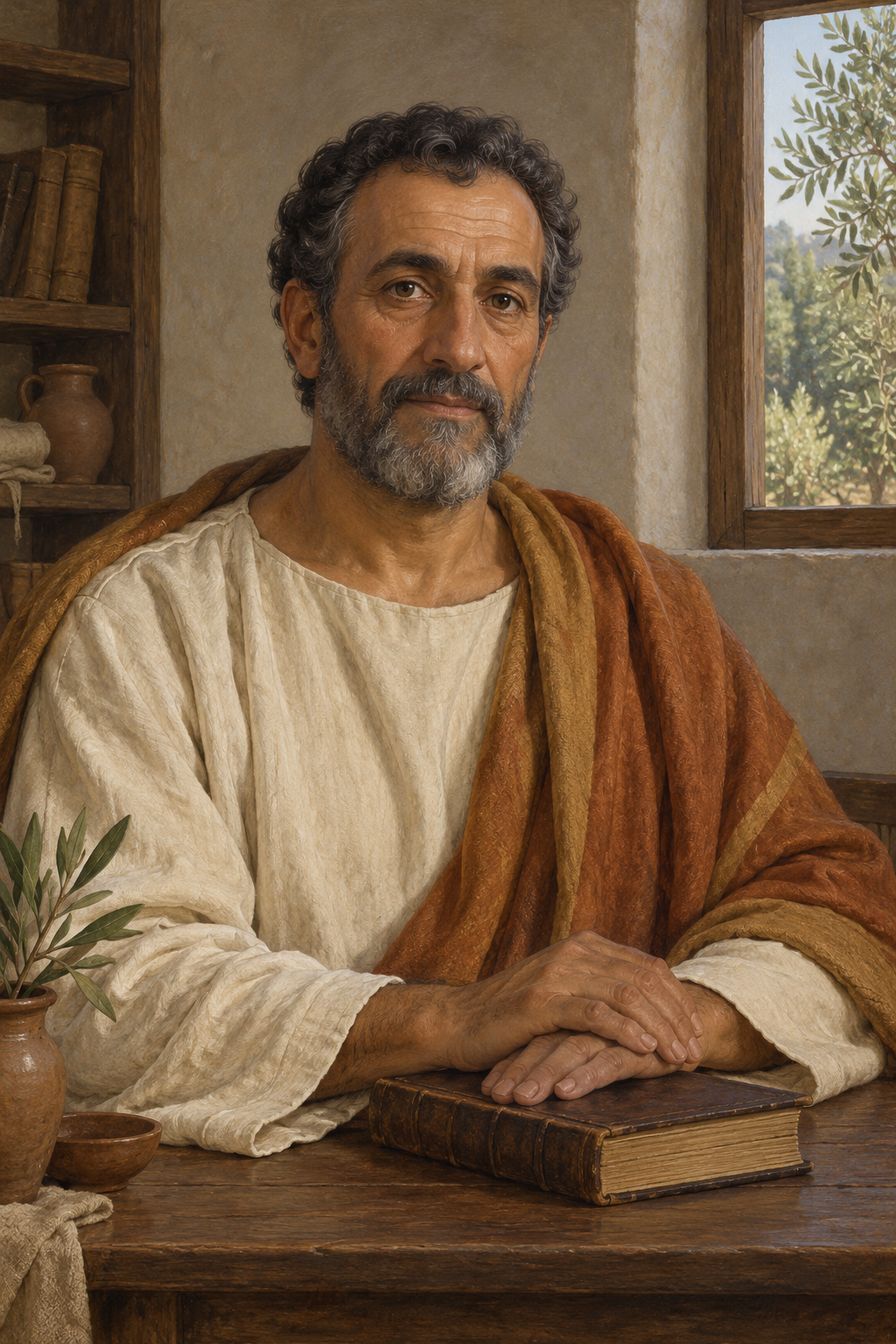
About Aurelius of Carthage
Aurelius was bishop of Carthage during a period of intense debate in the African Church. The surviving council records repeatedly place him at the center of its deliberations. At the assembly whose collected acts became the African Code, he asks for earlier decisions to be read and invites the bishops to confirm their common work. His leadership appears through these exchanges, rather than through a detailed account of his childhood.
Augustine appealed to him to address disorderly celebrations at martyrs’ shrines through teaching and persuasion. The letter presents Aurelius as a bishop whose influence could help reform wider African practice.
The concerns of the African assemblies ranged from clerical discipline to the hearing of disputes. Their records show Aurelius asking for the judgment of his colleagues and presenting questions for their agreement. In the discussion of appeals, the assembly also sought authenticated copies of the Nicene decisions. This was an effort to determine what the received rules actually contained before settling a contested practice.
Questions about authority were therefore also questions about the Church’s memory. In his study of the African synods, Bazyli Degórski interprets their appeals to earlier Fathers as appeals to a binding tradition, especially the authority of Nicaea. He identifies apostolic origin, antiquity and common acceptance as features through which that tradition was understood. His account places Aurelius alongside Alypius and Augustine among the figures active in this African contribution to Christian thought. The emphasis falls on the assembled bishops and their conviction that the Holy Spirit worked within the council, rather than on one bishop’s private judgment. Degórski also connects these arguments with the developing relationship between Rome and other episcopal churches. This interpretation helps explain why disputes over procedure mattered so much: the bishops were considering how inherited authority could guide present decisions. It describes a historical debate and its theological significance, without turning Aurelius’s career into a simple declaration of a later jurisdictional position.
The records also reveal the lasting value of the institutions he helped sustain. Till Stüber’s modern account traces the African canons to a larger register once kept at Carthage. Synodal proceedings were arranged by date, and the register grew as new assemblies met. The original register is lost, but an abridgment preserves material from eighteen councils held between 393 and 419. This gives Aurelius’s episcopate a documentary legacy extending beyond any single controversy. It also requires care when reading the surviving collection. Stüber explains that its later editor, Dionysius Exiguus, presented the extracts as having been read at the meeting of 25 May 419, although some concern a session five days later. That framing cannot be literal chronology. The problem lies in the arrangement of the received text, rather than in a wholesale rejection of the African councils’ authentic decisions. Their subsequent circulation in Latin and Greek collections carried the work of these assemblies into churches far beyond North Africa.
His association with Augustine also produced a work on monastic labor. Augustine’s opening dedication explicitly says that Aurelius asked him to write about monks who refused bodily work while claiming to follow apostolic teaching. The request shows a bishop seeking a considered explanation of a pastoral problem. It does not make Aurelius the author of the resulting treatise.
Augustine’s answer is more careful than a blanket accusation against contemplative life. He recognizes the right of ministers of the altar and evangelists to receive support. He also discusses people whose earlier circumstances or bodily weakness make demanding manual work difficult. Alongside criticism of idleness, he welcomes people of humble backgrounds into religious life. These distinctions belong to Augustine’s response to the question Aurelius put before him.
The treatise ends by asking Aurelius to approve its circulation or identify anything that should be withdrawn or amended. The theologian supplies an argument, while the bishop is asked to consider its use among the people concerned.
The monastic question had a similarly practical spiritual dimension. Waldemar Turek’s analysis understands Augustine’s argument about labor as bringing bodily needs and the life of prayer into balance. Work supplied necessities, but it also belonged to a person’s spiritual growth and cooperation with the Creator. Turek places pastoral ministry within that framework. The question addressed at Aurelius’s request thus concerned the ordering of a religious life, not merely its economic support.
Later historical accounts emphasize the doctrinal disputes of his episcopate. Arsenius Vuibert’s account describes his involvement in the Catholic response to Donatism and Pelagian teaching. It also records recourse to secular authority when conflict became violent. The older reference praises his conciliatory disposition, but such judgments should be distinguished from the council acts themselves. His position involved contested authority as well as the desire for religious unity.
His precise early life remains poorly known. The Catholic Church in Norway’s account places his death in 430, while other references give differing bounds for his episcopate. An approximate death year is therefore retained here, with no day inferred from his feast. The modern Vatican calendar commemorates Saint Aurelius, bishop of Carthage, on 20 July. His enduring significance lies in the documented work of convening, consulting and addressing the practical life of the Church.
Wondering how to weigh the stories and sources? Learn how to read a saint biography.